The Rural Energy Revolution 2026: Data Centers, Demand, and the Question of Who Pays

Rural Energy 2026 Cover Image

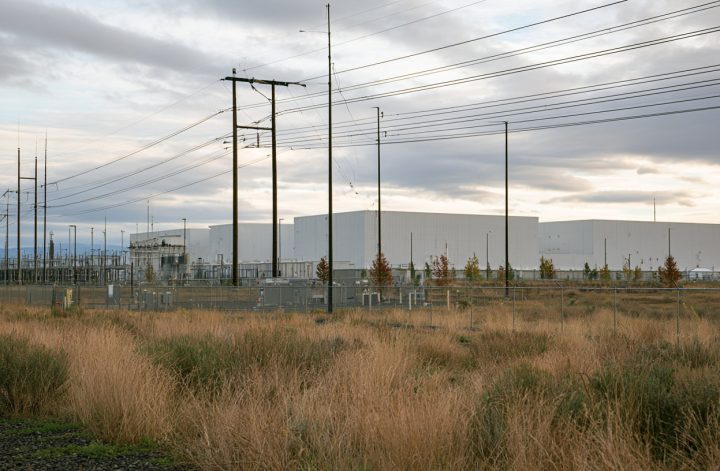
At the edge of a section of irrigated ground on the Great Plains, you can sometimes see the history of a decision. A center pivot that ran a full circle for thirty years now stops short and backs up. Its wheel tracks end where a new set of steel transmission poles crosses the field. Two […]

Continue Reading

You may also like

Authenticity is the Key to Building Better Community

Galena, Illinois, 2026

What makes the place you live different from every other place out there? It’s not the Taco John’s out on the strip. It’s not the dollar store, or the strip mall, or the Starbucks. It’s the red brick commercial buildings around the courthouse square, in so many American communities built in that common pattern. It’s […]

Continue Reading

You may also like

Growth Has a Price: Who Pays When Development Sprawls?

Aerial view of scattered residential subdivisions on former farmland outside a small Nebraska town — cost of sprawl rural land use planning

Development proposals tend to arrive one parcel at a time. So do the public decisions attached to them. A landowner wants to sell. The ground is outside town but close enough to market as a rural homesite. The developer has buyers. The road exists. The property is not in a floodplain. The tax projection looks […]

Continue Reading

You may also like

Grapes, Wine, and Practical Heritage Tourism

Cannon River Winery building, downtown Cannon Falls, Minnesota

In 1919, Clem Kruse started selling Oldsmobile, Maxwell, and Chalmers-Velie vehicles from the ground floor of a two-story concrete building on Mill Street, in Cannon Falls, Minnesota, just south of the Twin Cities. Upstairs, Kruse’s Hall hosted dances, plays, and high school basketball games. One hundred years later, Cannon River Winery opened a tasting room […]

Continue Reading

You may also like

Data centers are now the defining rural land use fight

Data Center Infrastructure

What began as scattered neighborhood resistance to individual projects has become something much larger:  a national backlash against the physical footprint of the AI economy. According to Data Center Watch, at least 75 data center projects worth more than $130 billion were delayed or canceled in the first quarter of 2026 alone, effectively matching the […]

Continue Reading

You may also like

Rural Broadband Makes Progress… at a Cost

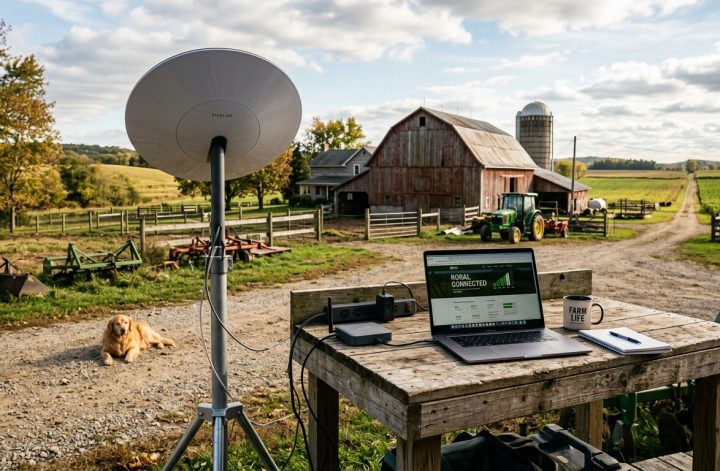
Image of rural internet satellite serving a laptop.

The US Federal Communications Commission (FCC) recently reported 96.9% of Americans have access to 100/20 Mbps fixed terrestrial broadband. I guess that puts me among the 3.1%, despite a 44% reduction in unserved populations in rural America over the last two years. I was reminded of that report listening to Deb Brown and Becky McCray […]

Continue Reading

You may also like

Measuring Success With Some Help From Our Friends

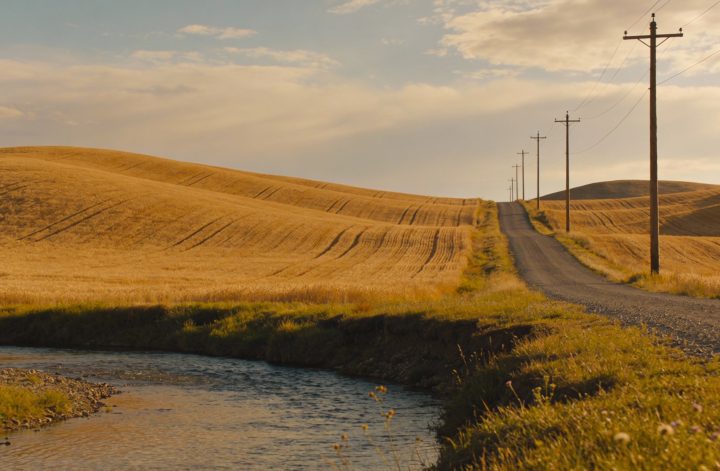
By Lynn Suckow from Walla Walla, WA, USA - Hills, grain elevator, and little yellow plane (really), CC BY-SA 2.0, https://commons.wikimedia.org/w/index.php?curid=5706900

Pullman, Washington, is the county seat of Whitman County. It’s not the largest or smallest place out there; it’s a Main Street community that seems to sit about right. The city of about 33,500 residents has grown over the past 25 years, as has the county, at a faster or slower rate like much of […]

Continue Reading

You may also like

Small Towns Can Build a Strong Outdoor Economy Without Selling Out

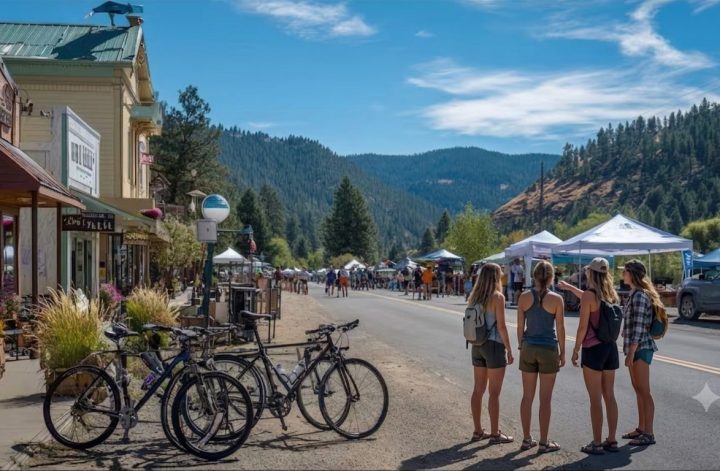
Image of outdoor festivities on typical summer Small Town Main Street.

Small towns do not have to choose between becoming a theme park or watching their Main Street wither away. The real opportunity is to treat the Great Outdoors—your parks, trails, fairgrounds, school fields, working lands, and open space—as core infrastructure for health and prosperity, then use planning tools to grow an outdoor economy without losing […]

Continue Reading

You may also like

Rural Renaissance Road Show: At the Data Center Crossroads

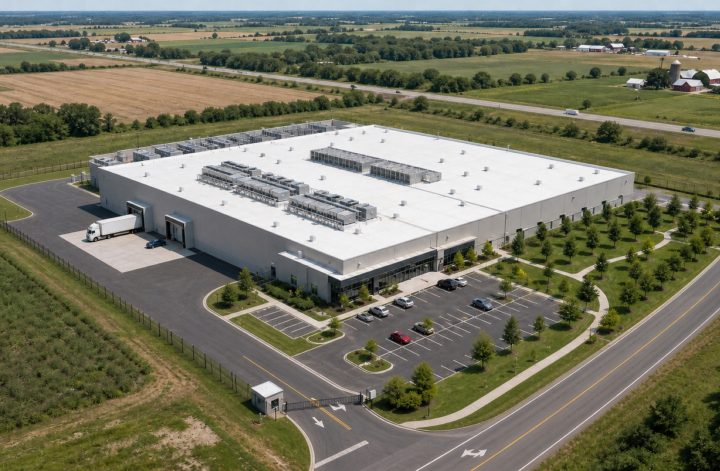
Image of a typical data center

Communications, Utilities, and Energy—our CUE theme for this month—all come together in the work Michelle Moore is doing as CEO of Groundswell around the topic of community power solutions connecting renewable energy and energy efficiency with economic development, affordability, and quality of life. Her book, Rural Renaissance: Revitalizing America’s Hometowns through Clean Power (Island Press, […]

Continue Reading

You may also like

Signal and Story: Communications Infrastructure in Rural America

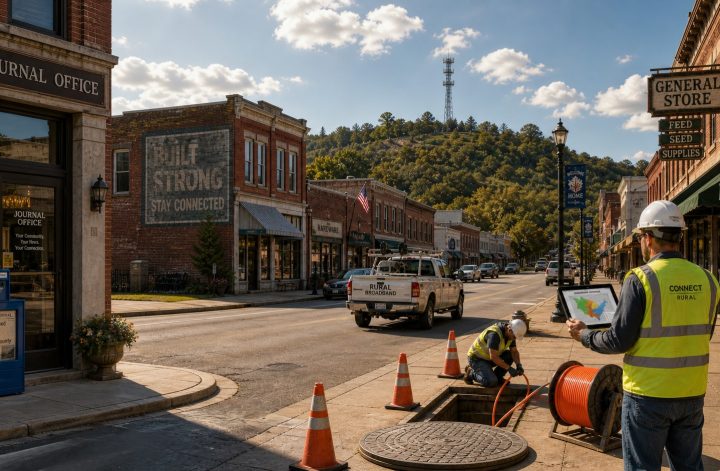
Image of small town main street with communications infrastructure--newspaper, fixed and wireless broadband--downtown

Somewhere between the power plant and the water tower, most communities hide a third piece of critical infrastructure: the signal that carries their stories. It’s easy to spot the pipes and the poles—harder to see the newspaper office on Main Street, the AM tower out by the highway, or the fiber buried under the county […]

Continue Reading

You may also like

1 2 3 … 18