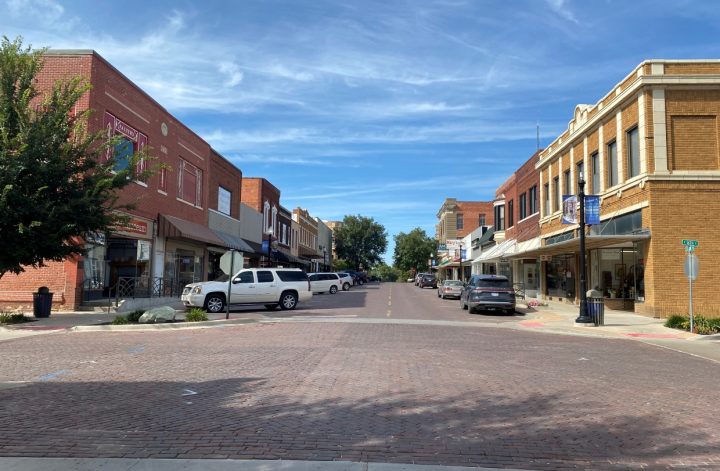

May 2026 Series Preview
April’s series asked what it takes to keep the physical foundations of rural community life strong—civic buildings, historic structures, and education systems working together as a system rather than in isolation. May takes that same question outdoors.
This month, we explore how rural counties use comprehensive planning to build healthier, more livable rural communities—not through big-city amenities, but through the assets they already have. Trails, parks, fairgrounds, state recreation areas, and local food systems are not secondary features of rural life; they are core infrastructure that shape daily experience, long-term health, and community resilience.
From Planning Language to Everyday Decisions
Drawing on comprehensive plans from Hall County, Jefferson County, and Thayer County, Nebraska, this series looks at how planning language becomes action. These counties offer practical examples of how policy goals translate into decisions about land use, investment, partnerships, and priorities—showing how even modest interventions can have lasting impact when they are part of a larger system.
Each week focuses on a different dimension of public health and outdoor life in rural communities.

Week 1: Public Health and Livability
Defining Healthy and More Livable Rural Communities
What does a “healthy community” actually look like in a rural county? Using tools like County Health Rankings and the AARP Livability Index, we examine how planners frame the connection between the built environment, access to care, and overall quality of life. Just as importantly, we look at what local governments can realistically do to influence those outcomes through policy and planning.
The article: A Practical Guide to Rural Health, Livability and Planning Tools
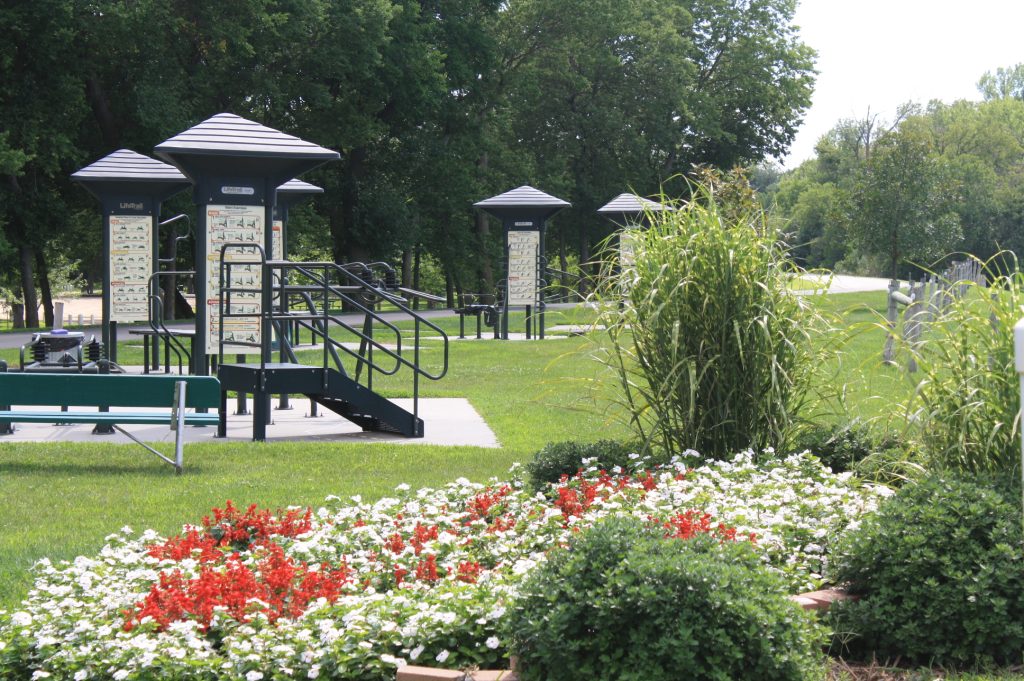
Week 2: Parks and Recreation
Infrastructure Hiding in Plain Sight
The fairgrounds. A trail with exercise stations. A school field open to the public on weekends. In rural communities, these are not extras—they are essential infrastructure. These spaces support physical activity, host community events, and strengthen social connections.
This week explores how park systems function as interconnected networks, and what it takes to plan, fund, and improve them incrementally over time.

Week 3: Sustainability and Smart Growth
Reconnecting Land Use and Community Health
Many rural communities are grappling with the long-term impacts of dispersed development patterns, while also seeing renewed interest in walkable town centers and local economies.
This piece connects Smart Growth principles, local food systems, and land conservation as interdependent parts of a more resilient rural future—where growth supports both economic vitality and public health.

Week 4: Outdoor Recreation (Memorial Day Weekend)
More Than Leisure: Recreation as Policy
Timed with Memorial Day weekend—the informal start of summer—this piece makes the case that outdoor recreation is far more than seasonal activity.
From wildlife migrations to campgrounds, trails, and county fairs, these assets play a critical role in economic development, tourism, community identity, and public health. The Outdoor Economy is a thing; in rural areas, recreation is not separate from daily life; it is woven into it.

Week 5: A County-Level Playbook
Turning Plans Into Action
We close by bringing these themes together into a practical, local-level framework. What can a planner, commissioner, or engaged resident actually do on Monday morning?
The answer lies not in large-scale transformation, but in aligning small, consistent decisions across health, land use, and recreation—making the healthy choice the easier choice for residents over time.
Looking Ahead: From Assets to Outcomes
In May, the focus is on health, parks, recreation, and the outdoors—the next chapter in the 2026 Bring Your Plans to Life series. Together, these pieces explore how rural communities can turn existing assets into lasting advantages, building places that are not only functional, but genuinely livable.
More from JCShepard(dot)com
Our April series on Community Facilities:
- Rural Civic Infrastructure Is Driving a New Future for Small Town Communities
https://jcshepard.com/2026/04/small-towns-rural-civic-infrastructure/ - Historic Preservation and Rural Economic Development: A Rural Growth Strategy https://jcshepard.com/2026/04/preservation-rural-economic-development/
- Good Governance and Trust in Rural America https://jcshepard.com/2026/04/good-governance-and-trust-in-rural-america/
- How Education as Infrastructure Is Powering Rural Economic Growth
https://jcshepard.com/2026/04/education-as-infrastructure-economic-growth/
Our August 2025 series on Rural Development:
- Rethinking the Rural Economy: New Paths, New Possibilities for Growth
- Business Retention in Small Towns: The Quiet Powerhouse of Rural Job Growth
- From Main Street to the World: Rural Entrepreneurship in Action
- The Rural Comeback: How Small Town Innovation Sparks Growth
- The Canadian Perspective on Rural Resilience
2026: Bring Your Plans to Life – Monthly Themes Preview
RuralStrong Podcast (Season 1 Episode 36)
Now playing on Youtube (audio), Spotify, and Apple Podcasts (February 2026). Transcription on the blog here.
Rural-Ready Engagement: Practical Tools for Small Town Planners
 Watch the full replay: youtube.com/@Engaging-Communities (February 2026)
Community engagement can look very different in small towns and rural communities. This webcast was co-sponsored by the APA Community Engagement Interest Group and the Small Town & Rural Planning Division.
Popular posts on JCShepard.com
- The Planning Process—From Vision to Action in Small Towns and Rural America (January 2026)
- Reviving Rural America: Why Heritage Tourism Is a Game-Changer Now (September 2025)
- What is Economic Development in Modern America? A Field Guide for Small Towns and Rural Places (March 2026)
- Rural Housing Supply Crisis: Why Small Towns Are Running Out of Homes (February 2026)
- How Small Towns Succeed: A Proven Playbook for Rural Action (November 2025)
- The Rural Comeback: How Small Town Innovation Sparks Growth (August 2025)
- How Small Towns Can Build a Strong Outdoor Economy Without Selling Out (June 2025)
Check out The 12 Planning & Sustainability Books You Need in 2026 and browse through the Small Town & Rural Community guides on our Resources page.
(As an Amazon Associate, we may earn commissions from qualifying purchases. Check your local library or bookshop, too.)