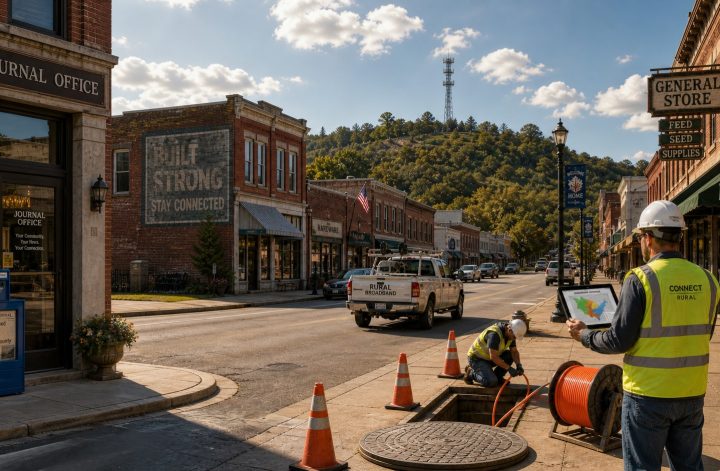
Somewhere between the power plant and the water tower, most communities hide a third piece of critical infrastructure: the signal that carries their stories. It’s easy to spot the pipes and the poles—harder to see the newspaper office on Main Street, the AM tower out by the highway, or the fiber buried under the county […]
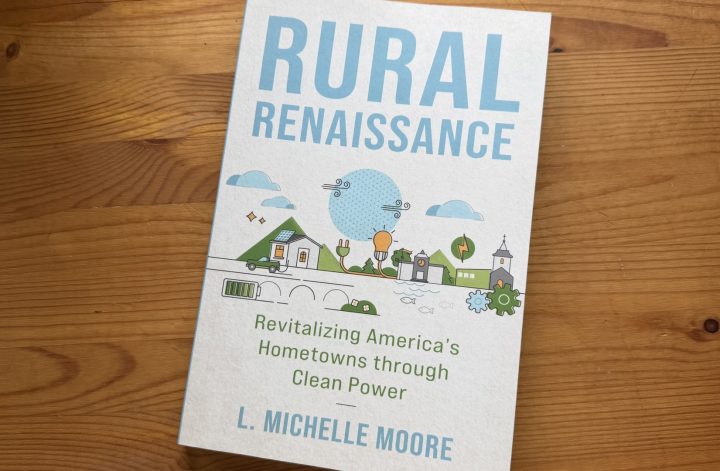
Rural Electrification—an excerpt from Rural Renaissance
The creation of the Rural Electrification Administration (REA) by Executive Order 7037 followed the TVA Act in 1935. The REA, which was later incorporated into the US Department of Agriculture and became the Rural Utility Service, was established to support electrification in rural areas. When the Rural Electrification Act of 1936 provided federal loans to […]
Rural Infrastructure 2026: Communications, Utilities & Energy Explained
JCShepard.com | June 2026 | Category: Policy, Economy Every comprehensive plan has a chapter that doesn’t always get the spotlight. It sits between community facilities and land use, quietly doing its job. In Thayer County, Nebraska, for example—a rural county of about 5,000 residents who I worked with on their comp plan—that chapter is titled […]
Rural Community Planning Playbook: Proven Actions That Build Thriving Towns
Health, Parks & the Outdoors · Week 5 of 5 Turning Plans Into Action Policy Rural Planning May 2026 The healthy choice should be the easy choice — not just for people who can afford to move. Five weeks of argument, evidence, and case studies come down to this: what can a planner, commissioner, or […]
Stop Chasing Smokestacks: A Practical Guide to Small‑Town Economic Development
I’ve been asked, “What’s the first thing my small town should do to kick start economic development?” Good question. First thing, ask yourself what you mean by “economic development”. Fifty years ago, that might have meant raising money and giving away tax incentives. A lot of places still live in that world, and sometimes you […]
Rural Recreation and the Outdoor Economy: Trails, Fairs, Community Identity
Health, Parks & the Outdoors · Week 4 of 5 Why rural recreation infrastructure is economic infrastructure Policy Outdoor Economy May 2026 Memorial Day weekend is the informal start of summer across the United States — and for rural communities across America, it is also the clearest reminder that outdoor recreation is not a hobby. […]
Leaning Into What Makes You Different: Rural Heritage as a Development Tool
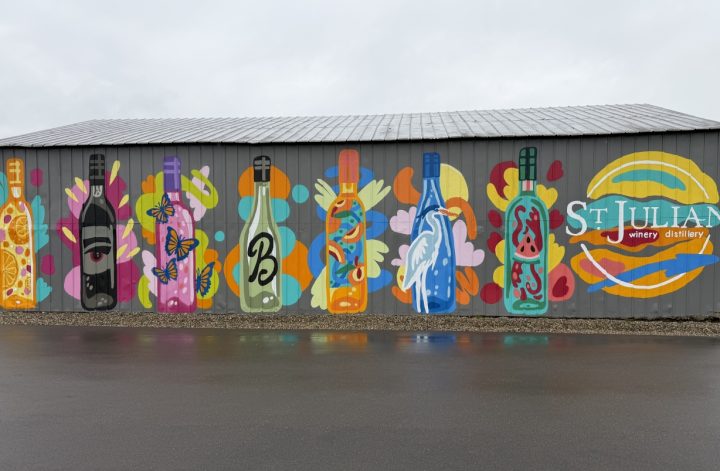
Every small town is unique. Where the suburbs seem to have a chain store on every corner, and big cities live in their own little worlds, no two small towns are going to be exactly the same. They may have grown larger then smaller. They may be typical farm towns or company towns, college towns […]
Smart Growth in Rural Communities: Planning That Works
The Problem With the Pattern We’ve Built Rural sprawl does not look like urban sprawl, but it produces many of the same outcomes: longer distances between people and services, higher per-capita infrastructure costs, degraded natural lands, and built environments that make daily life harder for anyone who cannot drive. The pattern is familiar across rural […]
From Rust Belt to Resilience — Lessons from Detroit and NPC26
Detroit is a city that is moving from surviving the rust belt to showing resilience to rebuild for the future. For a few spring days this week, more than 4,000 planners and community volunteers descended on this river town for the American Planning Association’s National Planning Conference—#NPC26—turning downtown Detroit into a temporary campus for people […]
How Education as Infrastructure Is Powering Rural Economic Growth
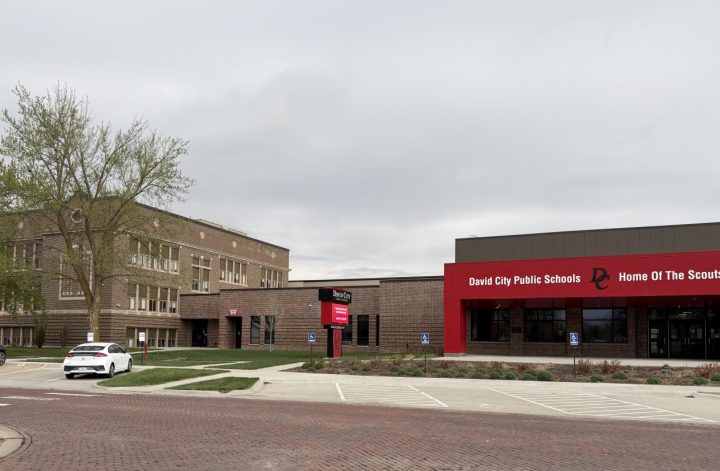
APRIL SERIES: COMMUNITY FACILITIES – Article 3 In conversations about infrastructure, education is rarely the first thing that comes to mind. Roads, utilities, broadband — these are the systems we typically associate with economic development. They are visible, measurable, and relatively straightforward to fund and maintain. Schools, by contrast, are often treated as a separate […]