

Rural communities are no strangers to challenges. From economic downturns to natural disasters, their resilience is constantly tested. Yet, while cities often take the spotlight in disaster preparedness, rural areas face unique circumstances that require tailored solutions. This article explores how governments support rural resilience and what communities can do to prepare for the unexpected.

The Challenge of Building Resilience in Rural Areas
Small towns and rural areas confront several obstacles that complicate disaster preparedness. Sparse populations, limited infrastructure, and higher vulnerability to specific hazards, such as floods or wildfires, mean that rural resilience requires a collaborative approach. These challenges highlight the critical role of government support in bridging resource gaps.

Government Support: Strengthening Rural Resilience
Governments at every level play a vital role in helping rural communities build resilience, leveraging their unique strengths to address the diverse needs of small towns. By providing funding, policy frameworks, technical expertise, and direct support, these agencies empower rural areas to prepare for and recover from disasters more effectively. Here’s how each level of government contributes:
Federal Government: The Backbone of Resources and Policy
The federal government provides the financial and strategic foundation for disaster preparedness and resilience initiatives. Programs like FEMA’s Hazard Mitigation Grant Program (HMGP) fund critical projects such as upgrading infrastructure, retrofitting buildings, and constructing community storm shelters. Agencies like the USDA also address the unique challenges of rural economies, offering disaster relief and recovery programs for agricultural communities. Federal policies and frameworks ensure nationwide standards for preparedness, while grants and training opportunities equip local governments to implement these plans effectively.
State Government: The Bridge Between Federal and Local
State governments act as intermediaries, translating federal resources into actionable solutions tailored to regional needs. They coordinate disaster response plans, oversee resource allocation, and provide technical expertise to local governments. State-level task forces often focus on specific threats, such as wildfires in the West or hurricanes along the Gulf Coast. By partnering with local leaders, states ensure that rural communities have access to the tools and knowledge needed to implement effective resilience strategies.
Local Government: The First Line of Defense
Local governments are on the front lines when disasters strike. They are responsible for implementing emergency response plans, maintaining critical infrastructure, and fostering community preparedness. In rural areas, where resources are often limited, local governments collaborate with regional councils or neighboring towns to pool expertise and share assets. Initiatives like volunteer fire brigades or community disaster committees demonstrate how small towns can amplify their efforts through grassroots organization. Local governments also play a key role in engaging residents, ensuring that preparedness becomes a shared responsibility.
Collaboration Across Levels
While each level of government has distinct roles, their collaboration is what makes resilience achievable. Federal funding supports state-level coordination, which guides local implementation. Rural communities benefit most when all levels of government align their efforts, providing a comprehensive and cohesive approach to disaster preparedness. This multi-tiered system ensures that no small town is left behind, regardless of size or resources.
By working together, governments at every level can help rural communities build not only the infrastructure and resources needed to withstand disasters but also the social and economic resilience that ensures long-term recovery and growth.

Real-World Examples of Rural Resilience in Action
Vermont’s Resilient Roads Initiative
Flood-prone Vermont has redesigned its rural road systems to better withstand heavy rainfall and flooding. By upgrading culverts and drainage systems, small towns remain connected during emergencies, reducing recovery costs and improving safety.
http://vtrans.vermont.gov/climate/resilience-planning
Volunteer Fire Brigades in Texas
In wildfire-prone areas, small towns in Texas rely on volunteer fire brigades supported by state grants. These local teams are essential in protecting homes and saving lives, demonstrating how community-driven efforts can enhance rural resilience.

Practical Tips for Building Resilience
For Planners:
- Incorporate Resilience into Planning: Include hazard mitigation in zoning ordinances and land-use plans.
- Secure Resources: Leverage grants and government programs to fund community resilience projects.
- Educate the Community: Provide workshops and resources to empower residents with knowledge of disaster preparedness.
For Citizens:
- Understand Local Risks: Learn about the hazards specific to your area and the plans already in place.
- Build a Kit: Prepare an emergency kit with essentials like food, water, and medications for at least 72 hours.
- Get Involved: Join local emergency response teams or advocate for preparedness measures in your community.

The Path Forward for Rural Resilience
Building resilience in rural areas requires a partnership between governments, planners, and residents. By addressing vulnerabilities and fostering collaboration, small towns can transform challenges into opportunities for growth and strength. Together, rural communities can ensure they are prepared not just to survive the unexpected but to thrive in its aftermath.al needs. With foresight and action, we can ensure that every small town is prepared for the unexpected.
Conclusion
Building resilience in rural areas is about more than preparing for the next disaster—it’s about creating stronger, more adaptable communities that can thrive no matter what challenges arise. Small towns face unique obstacles, but through collaboration with government programs, creative planning, and active citizen involvement, they can transform vulnerability into strength.
Whether it’s upgrading infrastructure, forming volunteer emergency teams, or simply starting the conversation about preparedness, every step counts. Resilience isn’t built overnight, but with consistent effort, rural communities can prepare not just to survive the unexpected, but to emerge stronger and more united.
The time to start is now—one action at a time. Together, small towns can ensure a safer and brighter future for everyone.
Read More
Books
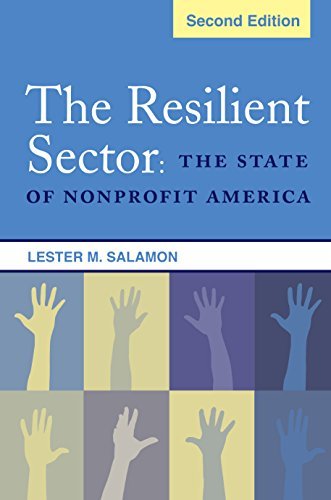
- The Resilient Sector: The Future of Nonprofit America by Lester M. Salamon
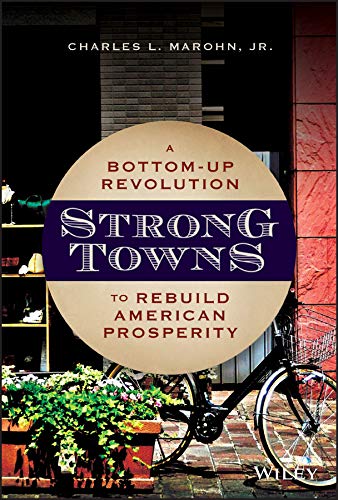
This book explores how nonprofit organizations can strengthen disaster preparedness and resilience in communities, particularly in rural areas where government resources may be limited. It provides actionable insights into mobilizing local support networks during crises. - Strong Towns: A Bottom-Up Revolution to Rebuild American Prosperity by Charles L. Marohn Jr.
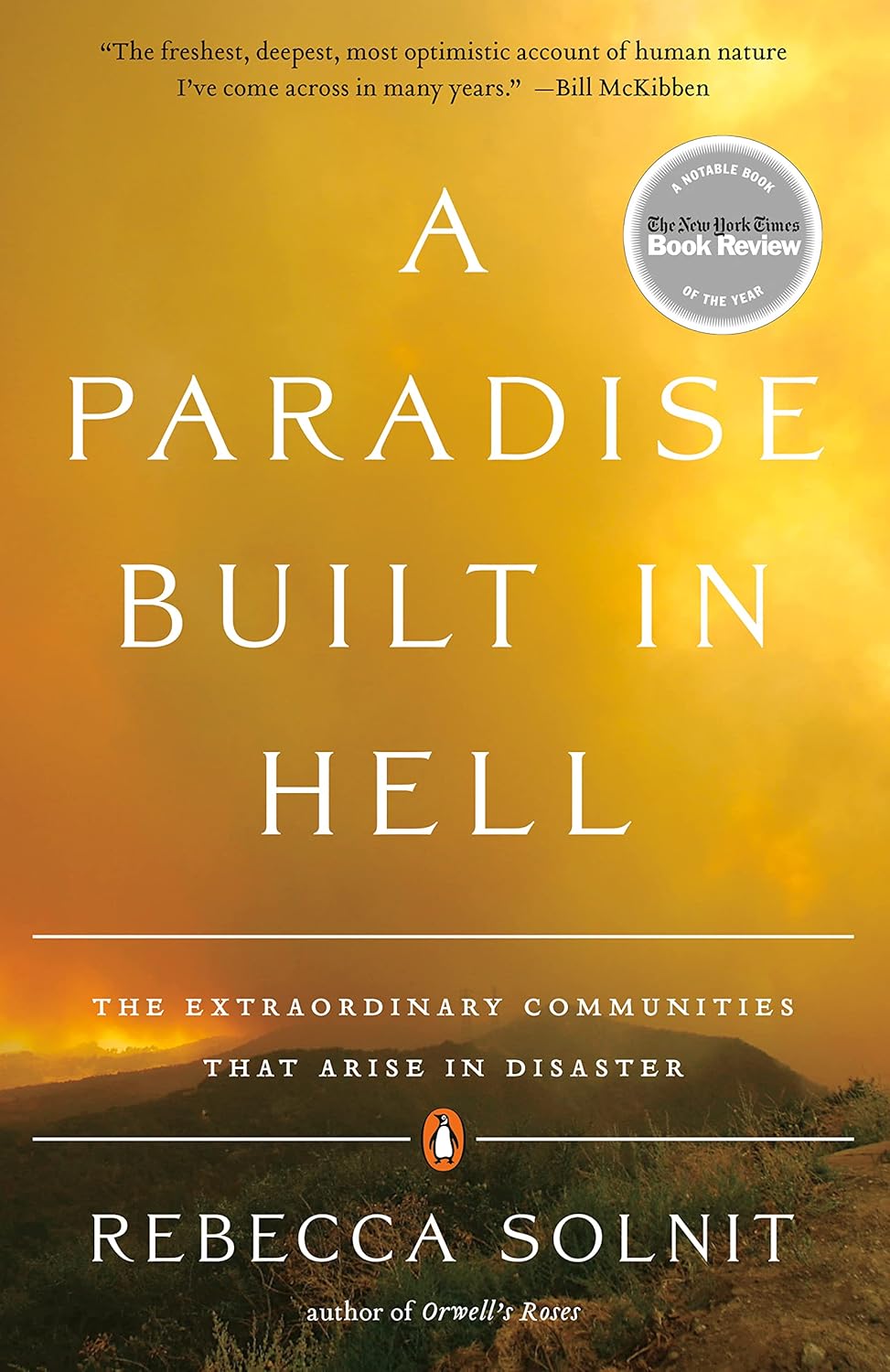
Advocating for incremental, community-focused growth, this book aligns with the article’s emphasis on small, strategic steps to strengthen resilience in small towns. Marohn’s principles can guide planners and local leaders in preparing for the unexpected. - A Paradise Built in Hell: The Extraordinary Communities That Arise in Disaster by Rebecca Solnit
A compelling examination of how communities come together during crises, this book offers inspiration for rural areas seeking to harness community spirit and collaboration in times of disaster.
Websites
- FEMA’s Hazard Mitigation Assistance Programs (www.fema.gov/grants/mitigation)
This page provides detailed information about grants and resources available to help communities reduce disaster risks. It’s a valuable resource for planners and local governments working on resilience projects. - Strong Towns (www.strongtowns.org)
A hub for resources, articles, and podcasts focused on building resilient and financially sustainable communities. Ideal for small-town leaders looking to prioritize incremental resilience strategies. - Institute for Local Self-Reliance (ILSR) (www.ilsr.org)
Focused on fostering self-reliant local economies, this site provides tools and case studies on community-driven initiatives that promote sustainability and resilience in rural areas.
References
- FEMA. (2023). Hazard Mitigation Assistance Programs.
A comprehensive overview of federal grants and initiatives designed to reduce disaster risks for communities, with a focus on rural areas. - National Rural Health Association. (2021). Rural Emergency Preparedness and Response.
This report highlights the unique challenges rural areas face during emergencies and offers strategies for improving disaster response and preparedness. - Project for Public Spaces. (2021). Placemaking for Resilience: How Communities Can Rebuild Stronger.
This guide provides insights into creating public spaces that enhance social connections and community resilience in the aftermath of disasters.
As an Amazon Associate, I earn from qualifying purchases.