

Why rural recreation infrastructure is economic infrastructure
Memorial Day weekend is the informal start of summer across the United States — and for rural communities across America, it is also the clearest reminder that outdoor recreation is not a hobby. It is an economy, an identity, and a public health system all at once.
On any given Memorial Day weekend, campgrounds fill up within fifty miles of the nearest mid-sized city. Trails that were quiet in April are suddenly crowded. County fairgrounds may host their first events of the season. Bait shops, outfitters, and small motels see more revenue in seventy-two hours than they will in many of the weeks that follow. The visitors who show up for the long weekend are not just recreating. They are participating in one of the fastest-growing economic sectors in the country — one that rural communities are uniquely positioned to lead, if they plan for it.
This week, we look at the rural outdoor recreation economy as policy: what the Outdoor Economy actually is, how trails, campgrounds, wildlife areas, and county fairs function as economic infrastructure, and what planning frameworks help communities make the most of what they already have. We arrive here just in time for the holiday, which is not a coincidence. The best time to see clearly about recreational assets is when everyone is out using them.

The Great Outdoors and the Rural Recreation Economy: What the Numbers Show
The Bureau of Economic Analysis began measuring outdoor recreation as a distinct sector of the US economy in 2017. What they found surprised a lot of people who had treated recreation as a lifestyle category rather than an economic one: outdoor recreation contributed more to GDP than oil and gas extraction, and more than agriculture.
By 2024, the outdoor recreation economy had crossed $1.3 trillion annually at the national level — with a substantial share of that activity dependent on assets located in and near rural communities. That’s even higher than the years before. Analysis by Headwaters Economics found the size of the outdoor recreation economy increased in 49 states between 2012 and 2023. That’s obvious in states like Utah and Colorado, but Indiana was up 62%. If Indiana can do that, so can you.
The activities that drive this are not exotic. Hiking, fishing, hunting, camping, cycling, wildlife watching, and motorized recreation on public lands account for the bulk of the spending. These are activities that happen overwhelmingly near rural communities — which means the infrastructure that supports them is predominantly rural infrastructure. Plus outdoor recreation jobs span construction, transportation, and professional services, not just hospitality. Trails, campgrounds, boat launches, fairgrounds, and wildlife areas are not amenities on the margins of the rural economy. They are the rural economy, in many counties.
This matters for rural planning in a specific way. Economic development conversations in rural counties tend to focus on attracting employers, retaining young people, and diversifying from agriculture or extraction. Outdoor recreation deserves a seat at that table for the simple fact rural recreation counties are more likely to gain population than similar non‑recreation counties. The Outdoor Economy is not a replacement for other strategies, but one that builds on assets the community already owns and that cannot be relocated to a cheaper market.
Studies by advocates such as American Trails have shown investment in outdoor recreation can produce returns at scale. Prominent places like Jackson, Wyoming; Bend, Oregon; and Bozeman, Montana; have been doing this for a long time now. But the more instructive stories are the smaller ones — like LeSueur County, Minnesota, with less than 30,000 people where they turned a state DOT turnback into a shared‑use path and sidewalks, changing the conversation about what was possible.
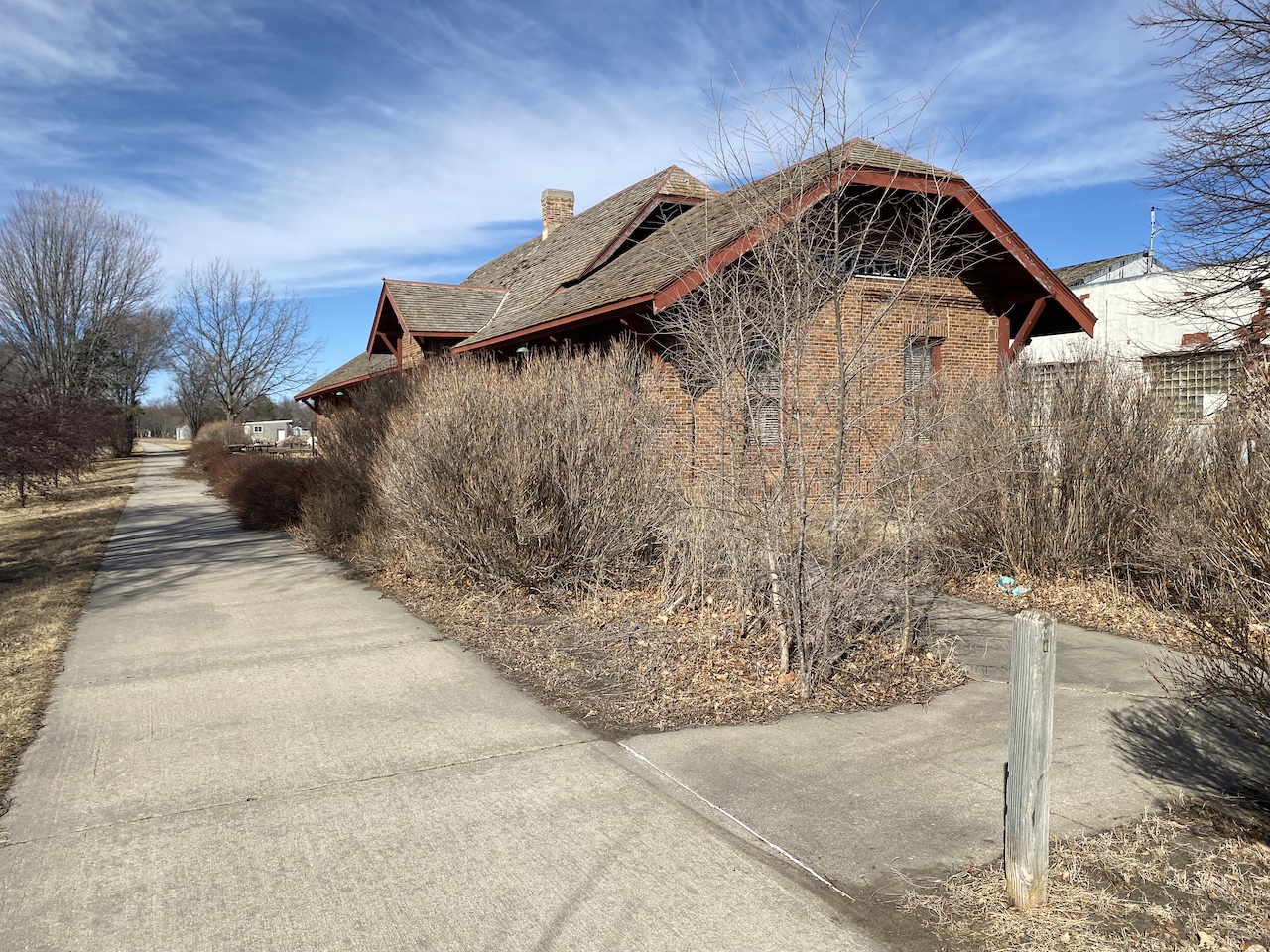
A factory can leave. A trail network along a river valley cannot. The rural outdoor recreation economy is one of the few economic development strategies built on assets that are genuinely place-specific.
Trails as Economic Anchors
Trails are among the highest-return investments available to rural communities, and the research base supporting this has grown substantially over the past two decades. Consistent findings across dozens of studies: trail users spend money locally, trail proximity raises adjacent property values, and trail networks attract remote workers and retirees who spend money in the local economy year-round — not just on weekends. The mechanism is not complicated. Trails bring people to places they would not otherwise visit, and people who are somewhere tend to spend money there.
Wildlife and the Visitor Economy
Wildlife watching is one of the fastest-growing components of the outdoor recreation economy and one of the least capitalized by rural communities. The US Fish & Wildlife Service’s National Survey consistently shows that wildlife watching generates more total economic activity than hunting and fishing combined — driven largely by participation rates. And unlike hunting or fishing, it often requires relatively little managed infrastructure to support: a well-maintained wildlife area, basic interpretation, and reliable visitor information are often enough to generate sustained visitation.
Elkins, West Virginia — Building a Trail Economy from the Ground Up
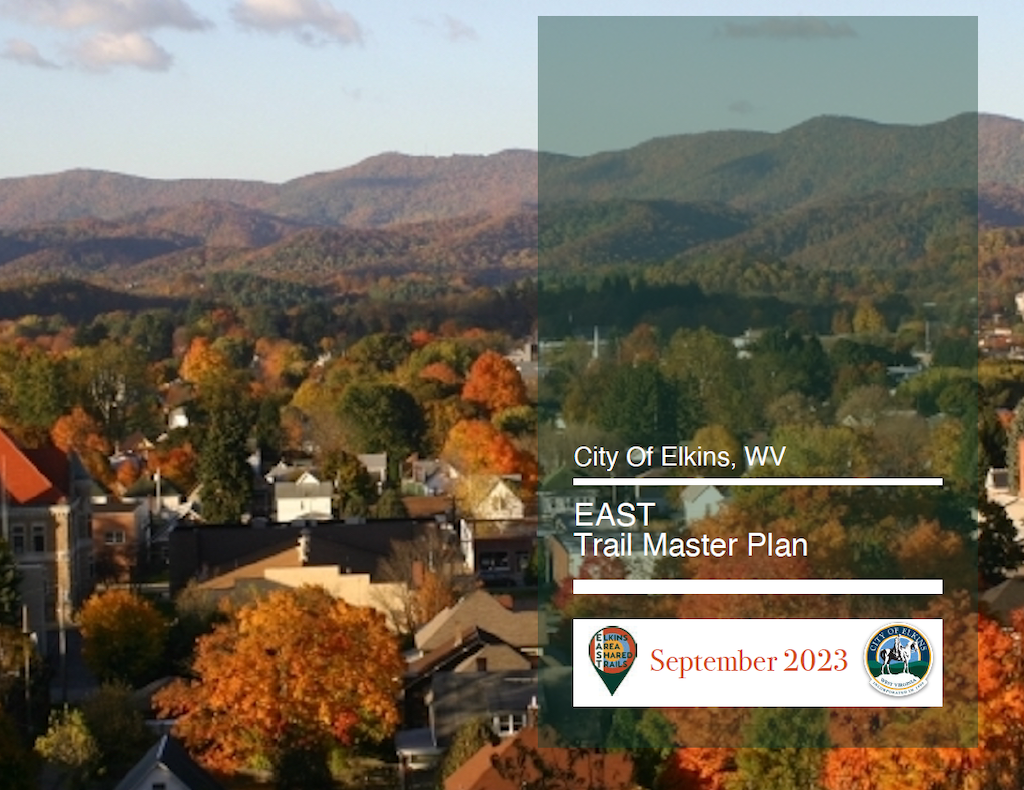
Randolph County, West Virginia · Population ~7,000 · Gateway to the Monongahela National Forest
Elkins sits at the western edge of the Monongahela National Forest — nearly a million acres of public land — and has long been the largest gateway community to one of the most visited natural areas in the eastern United States. For most of its recent history, it captured relatively little of the economic value of that position. Visitors drove through on their way to the trails. The regional asset was there; the local infrastructure to benefit from it was not.
In 2022, a volunteer-led coalition called Elkins Area Shared Trails (EAST) — a group of over 30 member organizations including the city, a local college, a community development lender, and a regional mountain bike team — began a deliberate, documented effort to change that. Starting with an ARC POWER grant for trail planning, EAST commissioned a master trail plan covering more than 11 miles of proposed shared-use trail on four properties in and adjacent to town. The plan was explicit about the economics: “$1.5–$2.2 million would complete the full redevelopment, while lower levels of funding of $225,000–$800,000 could transform each site into a node of community gathering, health, and recreation.”
By 2024, the Elkins Parks and Recreation Commission had secured $485,000 in state Transportation Alternatives funding for a bike skills area in Glendale Park — a beginner pump track and skills area specifically designed to bring new riders into the sport and build the local cycling culture that sustains a trail economy over time. Elkins was simultaneously accepted into Ascend WV, a talent attraction program that uses outdoor recreation assets as a draw for remote workers relocating to West Virginia. The outdoor infrastructure and the population strategy were explicitly connected.
What makes Elkins instructive is not the scale of the investment — it is modest in the nature of these projects — but the approach. A volunteer coalition did the asset inventory, wrote the grants, built the partnerships, and created the planning document that made public investment possible. The total investment to date is well under $1 million. The infrastructure that will result — trails, a skills park, connections to the Allegheny Highlands Trail and the Mon Forest — will serve the community for decades.
A volunteer coalition with a clear plan and modest grant funding can move a community from “trail desert” to shovel-ready trail infrastructure in under two years. The asset inventory, the master plan, and the coalition structure are the prerequisites — the capital follows when those are in place.
County Fairs: The Original Multi-Use Facility
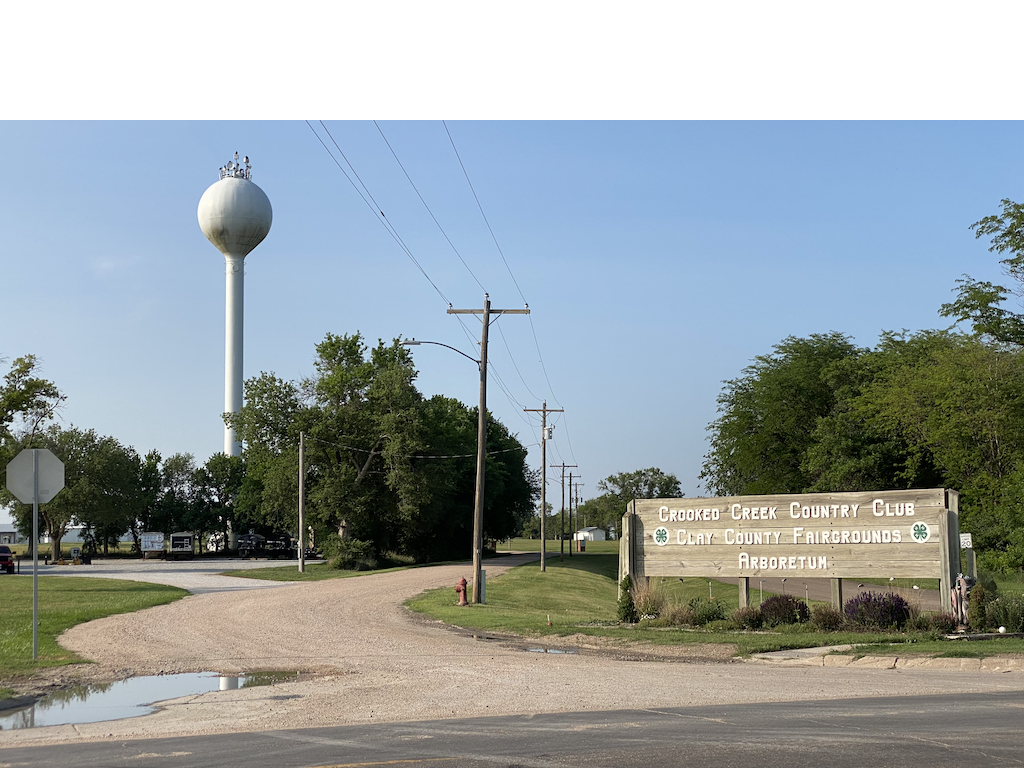
The county fair predates the parks master plan, the comprehensive plan, and most of the institutional frameworks we use to think about public infrastructure. It was, from the beginning, a community gathering point organized around agricultural identity — and it has evolved, in most counties, into something considerably broader than that origin suggests.
Today’s county fair is simultaneously an agricultural showcase, a youth development program (through 4-H and FFA), a commercial marketplace for local vendors, an entertainment venue, a community reunion, and — as we saw in Week 2 — an emergency infrastructure asset. The economic impact of a single county fair weekend regularly exceeds that of any other public event in the county calendar. A mid-sized county fair can draw 20,000 visitors over, say, four days, generating hotel stays, restaurant meals, fuel purchases, and retail spending that ripple through the local economy for weeks afterward.
Agricultural participation has declined in many counties, which creates a narrative of obsolescence that the actual attendance and economic data rarely support. The planning challenge is to reframe the fairground from a single-purpose agricultural facility into what it actually is: the most versatile public event venue in the county, with emergency resilience capacity built in, available 365 days a year if managed accordingly.
The county fair is not a nostalgic relic. It is the highest-attendance public event in most rural counties, every single year — and the fairground is the only facility large enough to host it.

Campgrounds as Year-Round Economic Infrastructure
Public campgrounds are among the most underappreciated economic assets in rural county inventories. A well-located, well-maintained campground with reliable amenities — hookups, clean bathrooms, a camp store or nearby fueling point — functions as a gateway facility that anchors visitor spending across a much wider radius. Campers stay longer than day visitors, spend more per trip, and return more often. They also have lower infrastructure cost-per-visitor than most other recreation facilities, since they largely bring their own equipment.
The management model matters enormously. Public campgrounds operated by under-resourced city or county parks departments often suffer from deferred maintenance, inconsistent reservations systems, and limited marketing reach. Concession agreements with private operators — who bring hospitality management expertise and can invest in amenities at limited public capital risk — have produced strong outcomes in counties that have tried them. The key is retaining public ownership and strategic direction while delegating day-to-day operations to someone with the capacity to run them well.
Ely, Minnesota — Building an Economy on Wilderness Identity
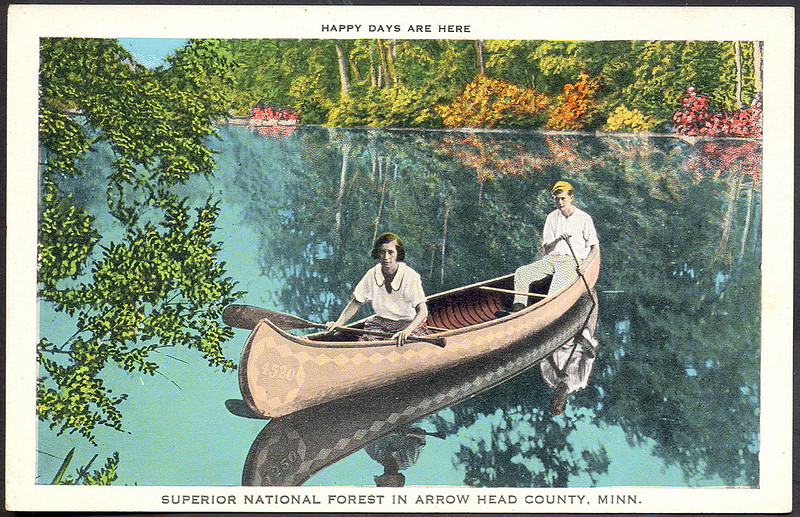
St. Louis County, Minnesota · Population ~3,400 · Gateway community to the Boundary Waters Canoe Area Wilderness
Ely is one of my favorite places. It’s also one the most instructive examples of a small rural community that has built its entire economic identity around a single outdoor recreation asset — the Boundary Waters Canoe Area Wilderness (BWCAW), the most visited wilderness area in the United States. Ely sits at the end of a long road in northern Minnesota, the kind of town that requires a decision to visit. That remoteness, which once felt like a liability, turned out to be the point. With a permanent population of under 3,500, Ely hosts roughly 150,000 visitors annually, drawn by canoe routes, fishing, wildlife watching, and winter recreation. The outdoor recreation economy supports virtually every business on its Main Street.
What makes Ely’s case particularly useful for planning purposes is that the community has navigated repeated threats to its economic base — including sustained federal debate over copper-nickel mining adjacent to the watershed — by making a deliberate, documented choice to double down on the recreation economy rather than diversify toward extraction. Local government, business associations, and community organizations have invested in outfitter capacity, trail infrastructure, visitor information systems, and the wolf and bear education programs that have themselves become visitor attractions.
The International Wolf Center and the North American Bear Center are both based in Ely. Not my thing, but they draw tens of thousands of visitors annually who might not otherwise make the drive to a remote northern Minnesota town. My destination of choice is the Scouts’ Northern Tier High Adventure Base, with canoe treks in the summer and snow adventures in the winter. They are all education facilities that function as economic development tools — a model with direct relevance for rural counties that have significant wildlife assets and are looking for ways to make them more accessible and visible to visitors.
Wildlife and wilderness assets can anchor a rural economy when the community makes a deliberate, documented choice to invest in the visitor experience around them — including interpretation, education facilities, and outfitter capacity — rather than treating them as passive background scenery.

Recreation, Identity, and the Communities That Own Their Story
There is a difference between a rural community that has outdoor recreation assets and one that has built its identity around them. The first is nearly universal — almost every rural county has trails, water access, wildlife habitat, or fairgrounds of some kind. The second is a planning and communication choice, and it makes an enormous difference in economic outcomes.
Communities that have successfully built an outdoor recreation identity share a common approach: they have named themselves, told a coherent story about what they offer, made it easy for visitors to find and use their assets, and invested in the visitor experience in ways that encourage return visits and word-of-mouth referrals. None of this requires a large marketing budget. It requires a clear-eyed assessment of what is actually there, a commitment to maintaining it well, and the organizational capacity to tell the story consistently across multiple channels.
For rural communities earlier in this process, the starting point is an asset inventory — a straightforward mapping of what recreational opportunities exist, who can access them, and where the gaps and friction points are in the visitor experience. A canoe launch with no parking, a trail with no signage, a campground with an outdated reservation system — these are the friction points that convert a potential return visitor into someone who mentions the destination once and never comes back.
You cannot market your way out of a bad visitor experience. The trail has to be maintained, the campground has to be clean, and someone has to answer the phone when a visitor calls to ask where to park. Identity follows investment, not the other way around.

The Public Health Dimension
We have established in earlier weeks of this series that the built environment shapes health outcomes — that walkable town centers, trail networks, and accessible parks produce measurable differences in physical activity, mental health, and chronic disease rates. The outdoor recreation economy adds an economic layer to this argument that is worth making explicitly to elected officials and budget committees.
In North Dakota, where I grew up, state government is investing in supporting healthy communities while growing local and state economies. The new Pembina Gorge State Park, located near the Canadian border, is expected to drive significant local and regional economic impact by transforming a seasonal recreation area into a multi-day outdoor recreation destination. The state has directed over $8 million toward the park’s development, which includes underground utilities, roads, campsites, and all-season cabins.
Communities that invest in recreational infrastructure are simultaneously investing in preventive health infrastructure. Every mile of maintained trail that gets someone outside three times a week is doing the work of a clinical intervention targeting sedentary behavior — at a fraction of the per-capita cost. The return on that investment shows up not just in visitor spending but in reduced healthcare utilization, lower rates of obesity and cardiovascular disease, and improved mental health outcomes in the surrounding population.
This dual return — economic and public health — is the strongest case for treating recreational infrastructure as a budget priority rather than a budget amenity. It is also the argument most likely to land with officials who are skeptical of “tourism” framing but responsive to fiscal responsibility arguments. A trail that generates visitor spending AND reduces local healthcare costs is not a luxury. It is a performing asset.
Great Allegheny Passage — Rural Trail Towns, Pennsylvania & Maryland
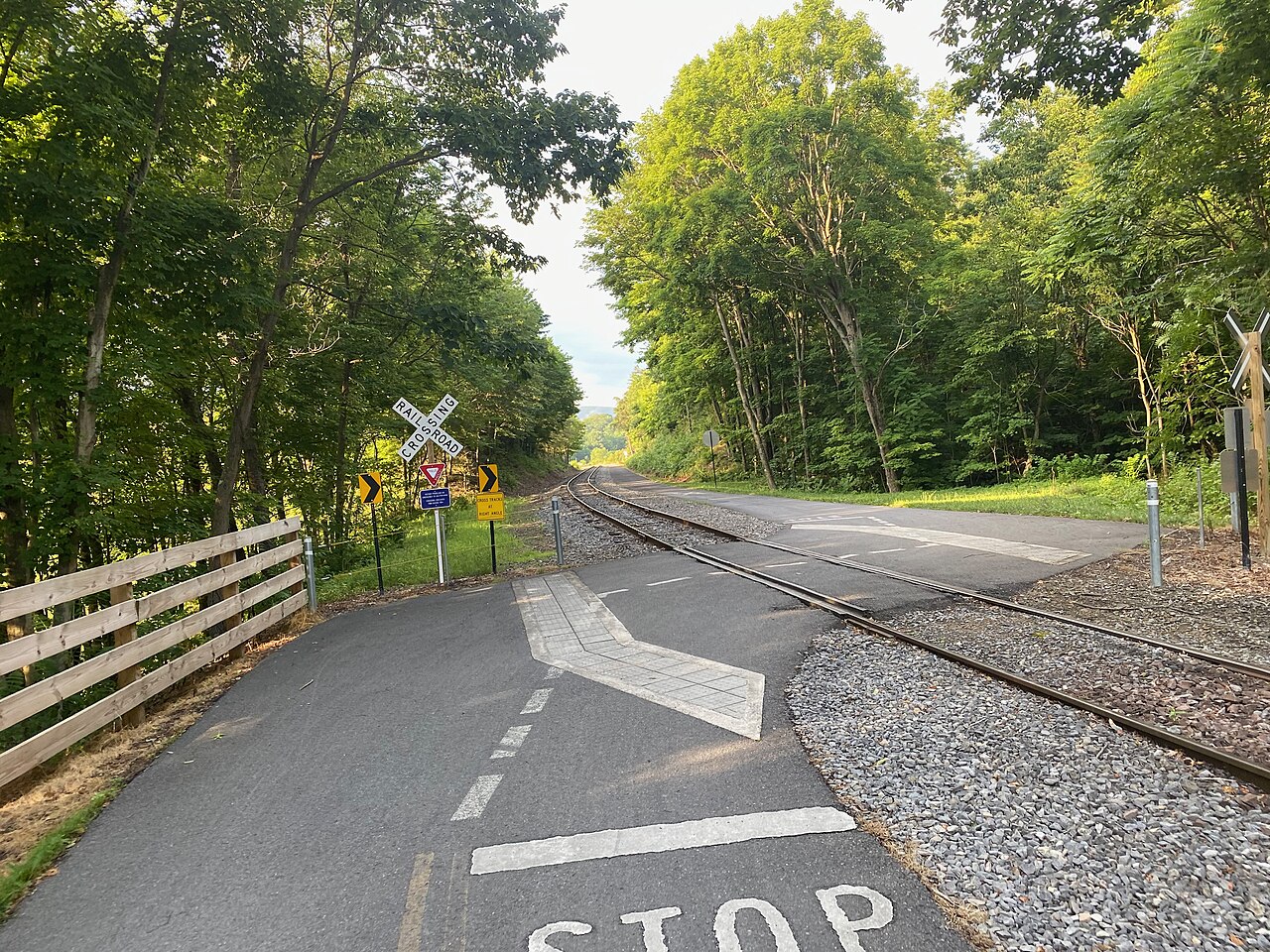
Southwestern Pennsylvania & Western Maryland · 150-mile rail-trail corridor · Pittsburgh to Cumberland
The Great Allegheny Passage (GAP) is a 150-mile rail-trail connecting Pittsburgh to Cumberland, Maryland, where it meets the C&O Canal Towpath for a continuous 335-mile route to Washington, DC. The trail passes through some of the most economically distressed rural communities in Appalachia — Connellsville, Confluence, Ohiopyle — former steel and coal towns that lost their economic foundation when the mills closed and had been searching for a replacement ever since. The trail gave them one.
The Allegheny Trail Alliance, the nonprofit that coordinates the GAP, commissioned a comprehensive economic impact study that has become one of the most cited in trail planning literature. The findings: trail users generate over $121 million in annual economic impact along the corridor, with the greatest per-capita benefit accruing to the smallest trail towns. Connellsville, Confluence, Ohiopyle, and Rockwood — communities of a few hundred to a few thousand people — have each built local economies around the trail that would not have been possible without it.
The trail town model that emerged from the GAP corridor is now replicated across the country: communities along a trail corridor agree to provide a minimum standard of visitor amenities — lodging, food, bike service, water, restrooms — and market themselves collectively as a trail town destination. The collective marketing amplifies reach; the minimum standards ensure the visitor experience is consistent. Small towns that could not afford to market themselves individually benefit from regional identity.
The trail town model — collective marketing combined with shared visitor experience standards — allows small communities to benefit from a regional recreational identity that no individual town could build or afford alone. The model is replicable wherever a trail corridor connects multiple small communities.

The Risk of Becoming a Destination
Outdoor recreation is not a consequence-free economic strategy. Communities that have successfully built a recreation identity — and the planning literature is increasingly clear on this — face a predictable set of secondary pressures that are worth naming before they arrive rather than after.
Housing Pressure
Destination spots and trail towns that attract remote workers and amenity migrants tend to see rising property values and rents within five to ten years of establishing a recreation identity. This is a sign of success, but it displaces exactly the longtime residents and service workers the local economy depends on. I know – I’ve lived there and had to leave in large part due to cost of living. Communities that plan ahead — through workforce housing zoning, community land trusts, or deed-restricted affordable units — are better positioned than those that address it reactively.
Seasonal and Low-Wage Employment
Much of the employment generated by outdoor tourism — outfitters, hospitality, retail — is seasonal, part-time, and low-wage. It complements a diversified local economy well; as the sole economic driver, it is insufficient. The communities that fare best are those that use recreation as one leg of a broader strategy, not as a replacement for the industrial base that preceded it.
Maintenance and Crowding
A trailhead or campground that attracts more visitors than it was designed to handle degrades faster than it can be maintained on a typical parks budget. Crowding also erodes the visitor experience that made the destination attractive in the first place. Sustainable outdoor facilities require maintenance funding that scales with use — whether through user fees, dedicated recreation levies, or public-private partnerships with outfitters and hospitality businesses that benefit most directly from trail traffic. We also ought to work on building a rural recreation economy that serves locals as well, for example by budgeting for local access (fee waivers, gear libraries, transit, programming), not just facilities.
None of this argues against investing in outdoor recreation. It argues for planning the whole system — not just the trail, but the housing, the workforce, and the maintenance budget — before the destination arrives.

What Planning for the Outdoor Economy Actually Looks Like
Outdoor recreation planning is not a separate discipline from comprehensive planning — it is a component of it. The communities that have made the most of their recreational assets are those that have explicitly incorporated outdoor recreation goals into their comprehensive plans, economic development strategies, and capital improvement programs, rather than treating it as a parks department matter.
This means starting with an honest inventory: What recreational assets exist? Who can access them, and how? Where are the friction points in the visitor experience? What is the current economic impact, and what would it take to increase it? A simple recreation asset inventory — facilities, condition, access, current use — provides the baseline that makes everything else possible. Without it, budget decisions are made on gut feel rather than evidence, and the highest-return investments get passed over for the most visible ones.
It also means making connections to adjacent planning areas. Outdoor recreation connects to land use (where new trails and campgrounds can go), to transportation (how visitors and residents reach recreational assets), to economic development (what businesses serve the outdoor recreation visitor), and to public health (who is and isn’t using recreational infrastructure, and why). A comprehensive plan that keeps these connections visible produces better outcomes than one that siloes recreation in a parks chapter that nobody reads.
- Complete a recreation asset inventory — Map facilities, condition, access catchments, and current use; the highest-return investments are often maintenance and connection, not new construction
- Run a visitor friction audit — Drive and walk your trails, campgrounds, and fairgrounds as a visitor would; note what is hard to find, poorly maintained, or missing entirely
- Document the county fair’s full economic footprint — Total attendance, vendor revenue, and regional spending; present the fairground as a multi-use community asset, not a single-purpose agricultural facility
- Adopt an outdoor economy goal in the comprehensive plan — One explicit goal in the economic development chapter provides the policy basis for budget decisions and grant applications
- Explore trail town designation — If your community sits along a regional trail corridor, the trail town model offers collective marketing reach at minimal cost
- Build a grant strategy — LWCF, USDA Community Facilities, and state recreational trails programs are available specifically for this purpose; an explicit plan goal makes applications stronger
- Evaluate campground management models — If your public campground is underperforming, a concession agreement with a private operator may deliver better visitor experience at lower public cost
- Connect recreational assets to public health data — Trail use surveys and physical activity data make the dual return on recreation investment visible to health partners and grant funders
- Plan for the pressures that come with success — Housing, workforce, and maintenance strategies should be in place before the destination arrives, not after

Looking Ahead
Most rural counties already have the campgrounds, trails, fairgrounds, and wildlife areas that make up an outdoor recreation economy; what they lack is a shared story, a basic maintenance plan, and a place for those assets in the capital budget. The next step is not a glossy brand campaign, but a plain‑spoken asset inventory and a willingness to treat those places as core infrastructure rather than extras.
If you are a planner, commissioner, administrator, or just the person in town who cares about this work, your job over the next year is to connect the dots. Map what you have, fix what is broken, write outdoor recreation into your comprehensive plan and economic strategy, and start lining up the partners and grant programs that can help you move from good intentions to shovel‑ready projects. The communities that will be strongest ten years from now are the ones that decide, now, that trails, fairgrounds, and campgrounds are not side projects. They are the backbone of a rural economy — and Memorial Day weekend is your annual reminder to plan for them accordingly.
Most rural communities already have the outdoor assets. What they are missing is the story, the maintenance budget, and the planning framework that treats those assets as the economic infrastructure they actually are.
Drive the trails, campgrounds, and recreational facilities in your county this Memorial Day weekend — as a visitor, not as a local. Notice what is easy to find, what is well-maintained, and where the experience breaks down. That informal audit is your starting point.
- Week 1 — Public health and livability: tools, data, and what local government can do
- Week 2 — Parks and recreation: from fairgrounds to trail networks as county assets
- Week 3 — Sustainability and Smart Growth: land conservation, local food, and compact development
- Week 4 — Outdoor recreation (Memorial Day): economic development, identity, and health (this article)
- Week 5 — A community-level playbook: synthesizing five weeks into Monday morning actions
The BEA’s annual measure of outdoor recreation’s contribution to GDP by state and activity type. Essential for making the economic case for recreational investment to elected officials and grant funders. State-level data available.
Headwaters Economics is an independent, nonprofit research group, based in Montana, that works to improve community development and land management decisions. They partner with local leaders and sift through data to help build thriving communities in a rapidly changing world. (I regularly rely on Headwaters’ resources.)
ORR promotes the growth of the outdoor recreation economy and outdoor recreation activities. They educate decision makers and the public on balanced policies that conserve public lands and waterways and enhance infrastructure to improve the experience and quality of life of outdoor enthusiasts everywhere.
Best practices, economic impact studies, planning toolkits, and the TrailNation Playbook — particularly useful for rural communities starting from scratch or making the fiscal case for trail investment to county commissioners.
State-by-state outdoor recreation economic data, policy advocacy resources, and the annual Outdoor Recreation Economy report. Details behind the paywall but useful for state-level context and for connecting local planning arguments to a larger policy conversation.
America’s primary matching grant program for state and local park and recreation development — trails, campgrounds, boat launches, and more. Permanently funded at $900M/year since 2020. Start at your state’s lead LWCF agency for application cycles.
Beyond its role as a reservation system, Recreation.gov publishes visitation data for federal recreation sites that can help rural counties understand demand patterns near their communities and benchmark their own facilities.
Rec Ready NH is an online guidebook developed to help New Hampshire’s communities harness the full potential of their outdoor spaces, transforming natural assets into lasting economic and social attractions.
The Recreation Economy for Rural Communities planning assistance program helped communities identify strategies to grow their outdoor recreation economy and revitalize their main streets. While no longer active in this administration, the site currently maintains communities stories from 2019, 2022, and 2025 program rounds.
One of the most comprehensive trail economic impact studies available — documenting $121M in annual economic impact across a rural corridor and providing a methodology that smaller communities can adapt for their own trail systems.
An unparalleled resource for practicing planners, members of local boards and commissions, students in degree courses, those teaching them, and young professionals.
Ta Enos’s 2025 literary memoir about personal reinvention and place-based rural development, centered on the Pennsylvania Wilds movement, pairs her own story as former journalist rooted in rural, with the 20‑year evolution of a distressed Appalachian region building the Outdoor Economy to chart a different future. JCShepard.com book of the month for May 2026.
More from JCShepard(dot)com
Related posts:
- November 2025: Wins for Active Living: Simple Infrastructure to Unlock Rural Health
- July 2025: The New Rural Playbook: Planning Trends That Matter
- June 2025: How Small Towns Can Build a Strong Outdoor Economy Without Selling Out
Our April 2026 series on Community Facilities:
- Rural Civic Infrastructure Is Driving a New Future for Small Town Communities
- Historic Preservation and Rural Economic Development: A Rural Growth Strategy
- Good Governance and Trust in Rural America
- How Education as Infrastructure Is Powering Rural Economic Growth
2026: Bring Your Plans to Life – Monthly Themes Preview
RuralStrong Podcast (Season 1 Episode 36)
Now playing on Youtube (audio), Spotify, and Apple Podcasts (February 2026). Transcription on the blog here.
Rural-Ready Engagement: Practical Tools for Small Town Planners
 Watch the full replay: youtube.com/@Engaging-Communities (February 2026)
Community engagement can look very different in small towns and rural communities. This webcast was co-sponsored by the APA Community Engagement Interest Group and the Small Town & Rural Planning Division.
Popular posts on JCShepard.com
- The Planning Process—From Vision to Action in Small Towns and Rural America (January 2026)
- Reviving Rural America: Why Heritage Tourism Is a Game-Changer Now (September 2025)
- What is Economic Development in Modern America? A Field Guide for Small Towns and Rural Places (March 2026)
- Rural Housing Supply Crisis: Why Small Towns Are Running Out of Homes (February 2026)
- How Small Towns Succeed: A Proven Playbook for Rural Action (November 2025)
- The Rural Comeback: How Small Town Innovation Sparks Growth (August 2025)
- How Small Towns Can Build a Strong Outdoor Economy Without Selling Out (June 2025)
Check out The 12 Planning & Sustainability Books You Need in 2026 and browse through the Small Town & Rural Community guides on our Resources page.
(As an Amazon Associate, we may earn commissions from qualifying purchases. Check your local library or bookshop, too.)
.