
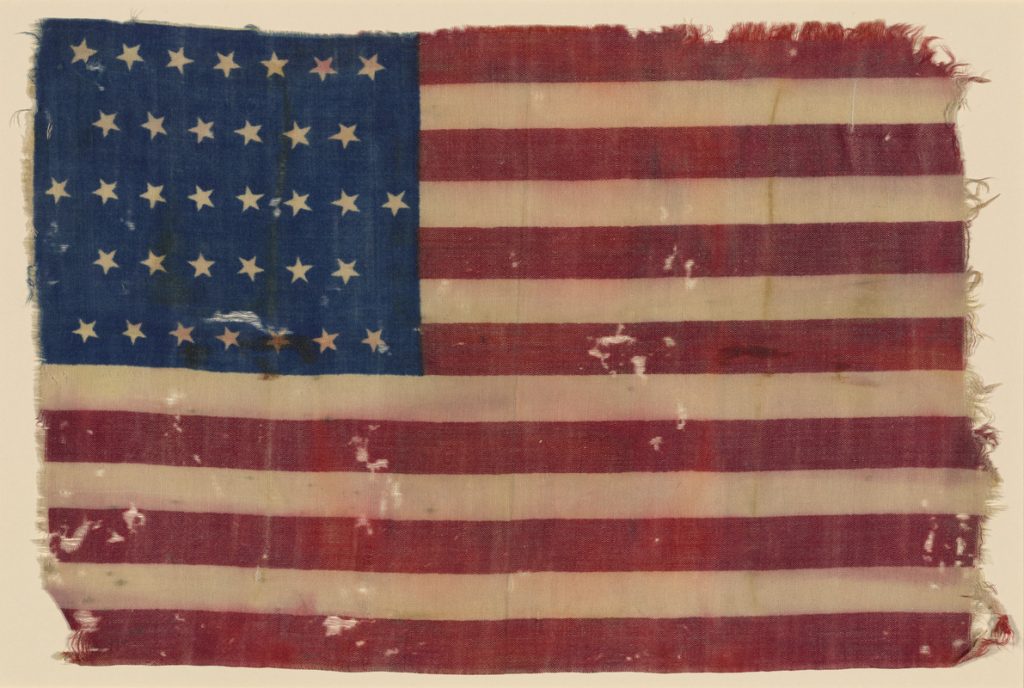
On this Memorial Day, we pause to remember those who gave all in service of our nation. Originally called Decoration Day after the US Civil War, as we decorate their graves in memory, we honor their sacrifice and the sacrifice of their families.
During the Civil War, roughly twice as many soldiers died from disease as from battle wounds. About two-thirds of all military deaths were from disease, and about one-third from combat (killed in action plus later dying of wounds).
As the National Museum of Health and Medicine notes, public health during the Civil War was chaotic and deadly, marked by filthy camps, rampant infectious disease, and limited medical knowledge. Yet the crisis also pushed Americans toward more organized sanitation and health systems. Historians estimate that around 700,000 soldiers died in the Civil War (estimates vary). Of these, about one-third died directly from battle wounds or later complications of those wounds, while two-thirds died of disease. That’s nearly half a million men.
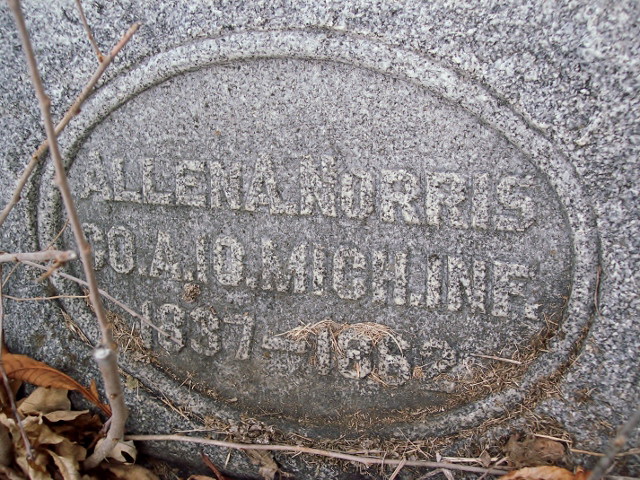
One of those men was Pvt. Allen Angeuine Norris, my 3rd great-granduncle. He was born in 1836 in upstate New York to my 4th great-grandparents Bethuel Norris (1802-1880) and Margaret Dailey (1805-1860). They settled on a farm in Genesee County, just west of Flint, Michigan. Allen married in 1858, and they had two sons. His youngest was not yet 3 months old when he he enlisted at Flint in Company A of the 10th Regiment, Michigan Infantry. He mustered in 6 Feb 1862 and died of disease just over a month later on the 8th of March 1862. He is buried near home in the village of Gaines, Michigan.
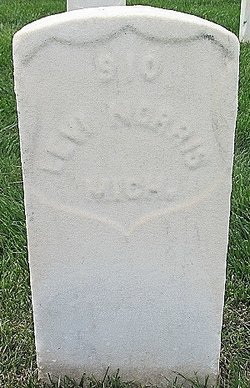
Allen’s brother Pvt. Levi Squire Norris was another casualty of disease. He was born in 1842, only 19 years of age when he enlisted with his brother Allen. Records show he was taken sick on the riverboat between Detroit and St. Louis. He died in Missouri, 29 July 1862, and is buried at Jefferson Barracks National Cemetery.
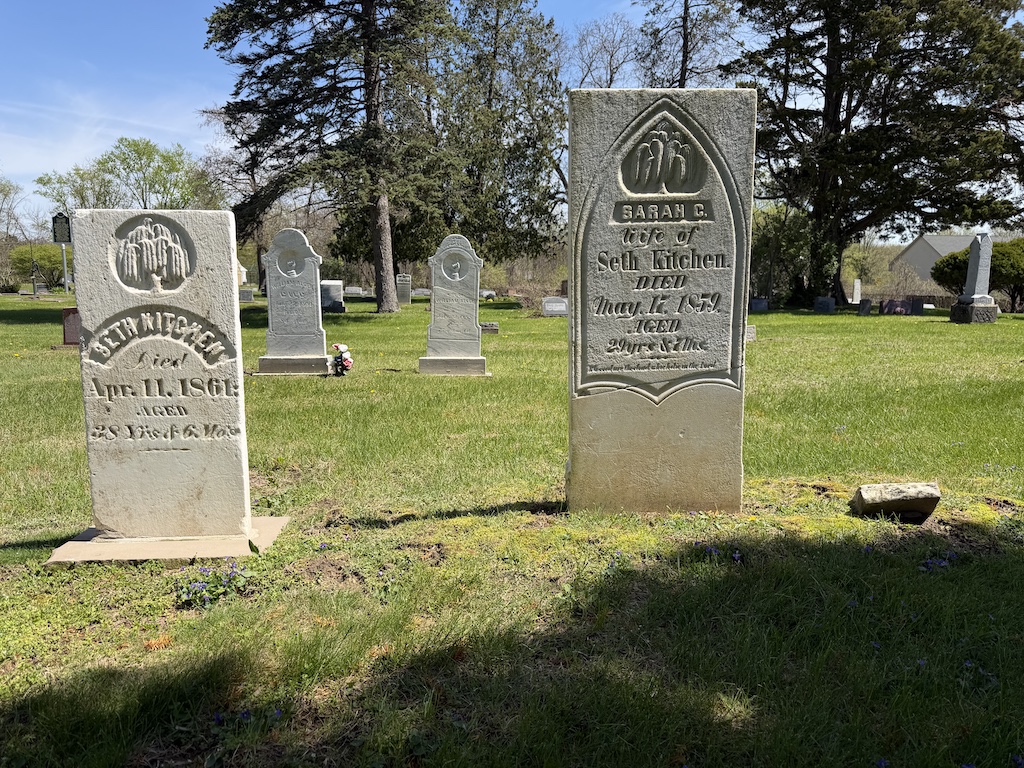
Times were hard then, but harder on some than others. Bethuel and Margaret had buried their eldest son William thaddeus Norris in 1850, at the age of 23. Their daughter Sarah Cordelia Norris was married with three daughters when she died in 1859; her husband died soon after in 1861. I visited their graves last month when we were in Michigan, and paid my respects.
One son and my 3rd great grandmother survived their parents. Such a price we pay for freedom.
It is right to honor our veterans who died in service to their country, and not just one day of the year but every day of every year. Yet hold a place in your heart for those who lived on after losing their blood and kin. War is not a light task and we hope our leaders keep in mind each and every soul, past and present, in their care.
Despite the suffering, the Civil War helped convince many elites and physicians that organized public health measures—clean water, sewage systems, inspection, and data collection—were essential. We should hope we would learn lessons from the sacrifice of our honored fallen, and from the lives lived by those who carried on when duty’s cost became personal.
Prior Posts
Memorial Day: The Truth is Marching On (2025)
The Diary of Pvt. Orrin Brown: Marching Through Georgia and the Carolinas with General Sherman (2014)
Remarks for Memorial Day (2012)
Resources
National Museum of Health and Medicine
National Museum of Civil War Medicine
Marrow of Tragedy: The Health Crisis of the American Civil War, by Margaret Humphreys (Johns Hopkins University Press, 2013)
.