
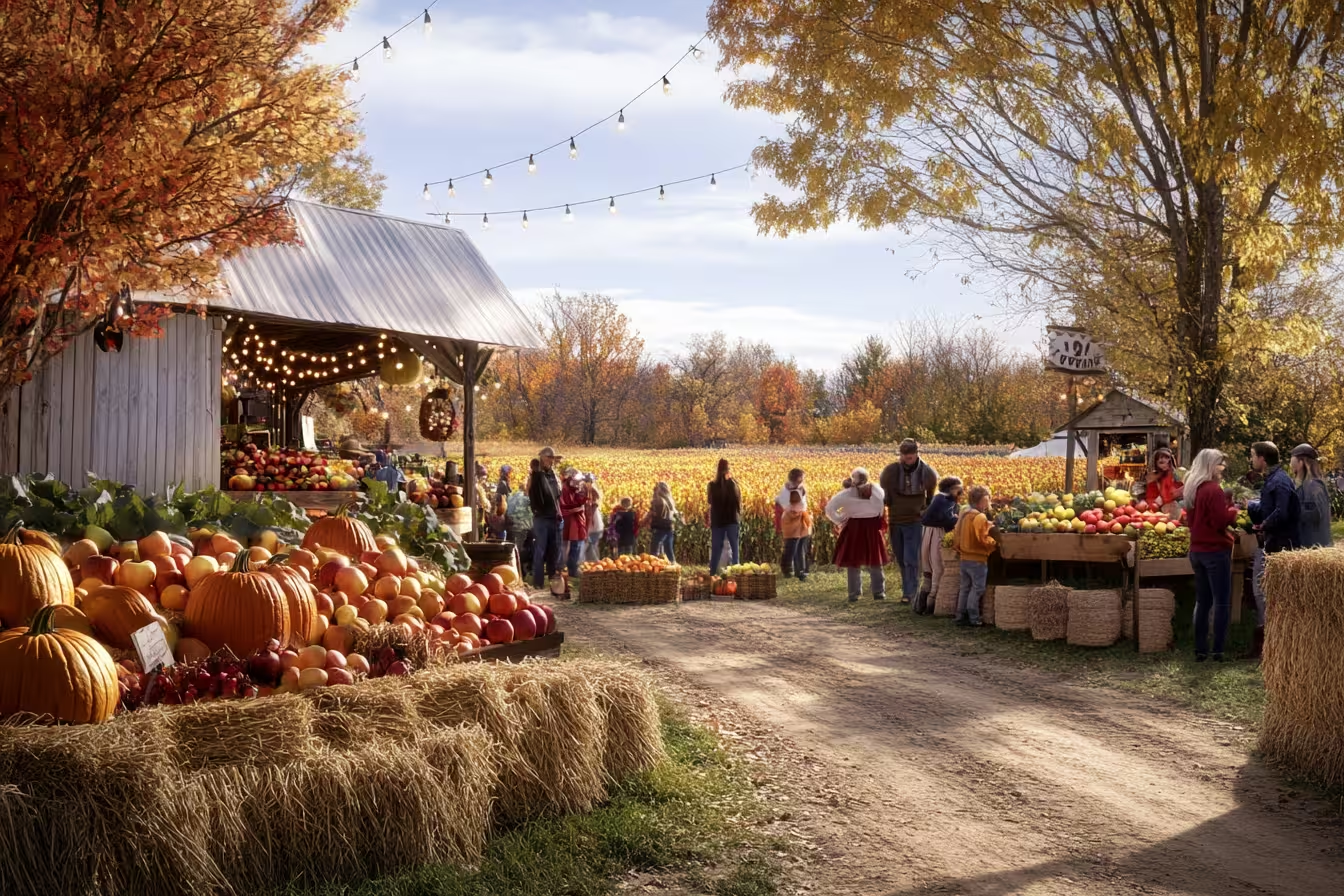
Agritainment—a fusion of agriculture and entertainment—has quickly become a popular approach to enliven both rural and urban-edge environments. Attractions like corn mazes, pumpkin patches, u-pick fields, apple orchards, and even craft wineries, breweries, and distilleries offer families, friends, and tourists a refreshing escape from the urban routine. Here’s why urban planners should embrace this trend to promote community building and enhance tourism appeal for local economic development.

What is Agritainment?
Agritainment is a dynamic fusion of agriculture, tourism, and recreation, creating spaces where visitors can experience the joys of farm life and rural activities in an engaging and interactive way. By blending traditional farming with entertainment elements, agritainment offers a unique approach that:
- Provides an Escape: Offers urban residents a break from routine with hands-on, nature-based activities.
- Supports Local Economies: Engages local farmers, artisans, and small businesses, creating opportunities for economic growth.
- Fosters Community Connections: Brings people together across generations and backgrounds, helping build stronger community bonds.
This unique approach not only brings people closer to nature but also strengthens ties within communities and offers new avenues for local economic development.
Why Urban Planners Should Embrace Agritainment
For urban planners, agritainment represents an opportunity to cultivate spaces that celebrate agricultural heritage and enhance modern lifestyles. By integrating agritainment into development plans, planners can:
- Promote Community Building: Use agritainment to create inclusive spaces where residents can interact and build connections.
- Enhance Tourism Appeal: Attract visitors and boost the local economy through unique, local attractions.
- Encourage Environmental Awareness: Foster a connection with nature and sustainable practices, benefiting both individuals and the community.
By embracing agritainment, urban planners can promote community building, enhance tourism appeal, and support local economic development in a way that respects agricultural heritage and meets modern needs.

Agritainment as a Community Connector
In cities and suburban fringes, agritainment activities play an increasingly important role in connecting people across generations and backgrounds, as they have in rural communities for many years. These experiences—such as pumpkin patches, corn mazes, and seasonal farm events—provide families, friends, and even new acquaintances with unique opportunities to come together, fostering a stronger sense of community.
- Social Hubs: Pumpkin patches and corn mazes, for instance, are more than just seasonal entertainment; they’re social hubs that invite people to slow down and enjoy seasonal traditions in an interactive way. With local farmers and businesses often hosting these activities, agritainment creates authentic, community-driven events that encourage residents to support local economies while enjoying quality time outdoors.
- Inclusive Spaces: These gatherings attract individuals across demographics, from families with young children to retirees, college students, and tourists. This diversity makes agritainment a powerful tool for building inclusive spaces where people can make connections that might not otherwise happen in traditional urban settings.
Agritainment’s Role in Celebrating Special Occasions
The popularity of outdoor dining and open spaces has also led to a demand for wedding event venues with outdoor flexibility. The global destination wedding market is growing fast. Couples are also choosing isolated locations, like ranches, countryside venues, or islands, to celebrate privately, often with on-site lodging. Many are choosing eco-friendly weddings in natural settings.
Opportunities for Urban Planners
Urban planners can integrate agritainment activities into their development plans to encourage communities to reconnect with agricultural roots. These spaces offer families, children, and individuals opportunities to learn about farming and local food production, fostering an appreciation for sustainable practices and environmental stewardship.
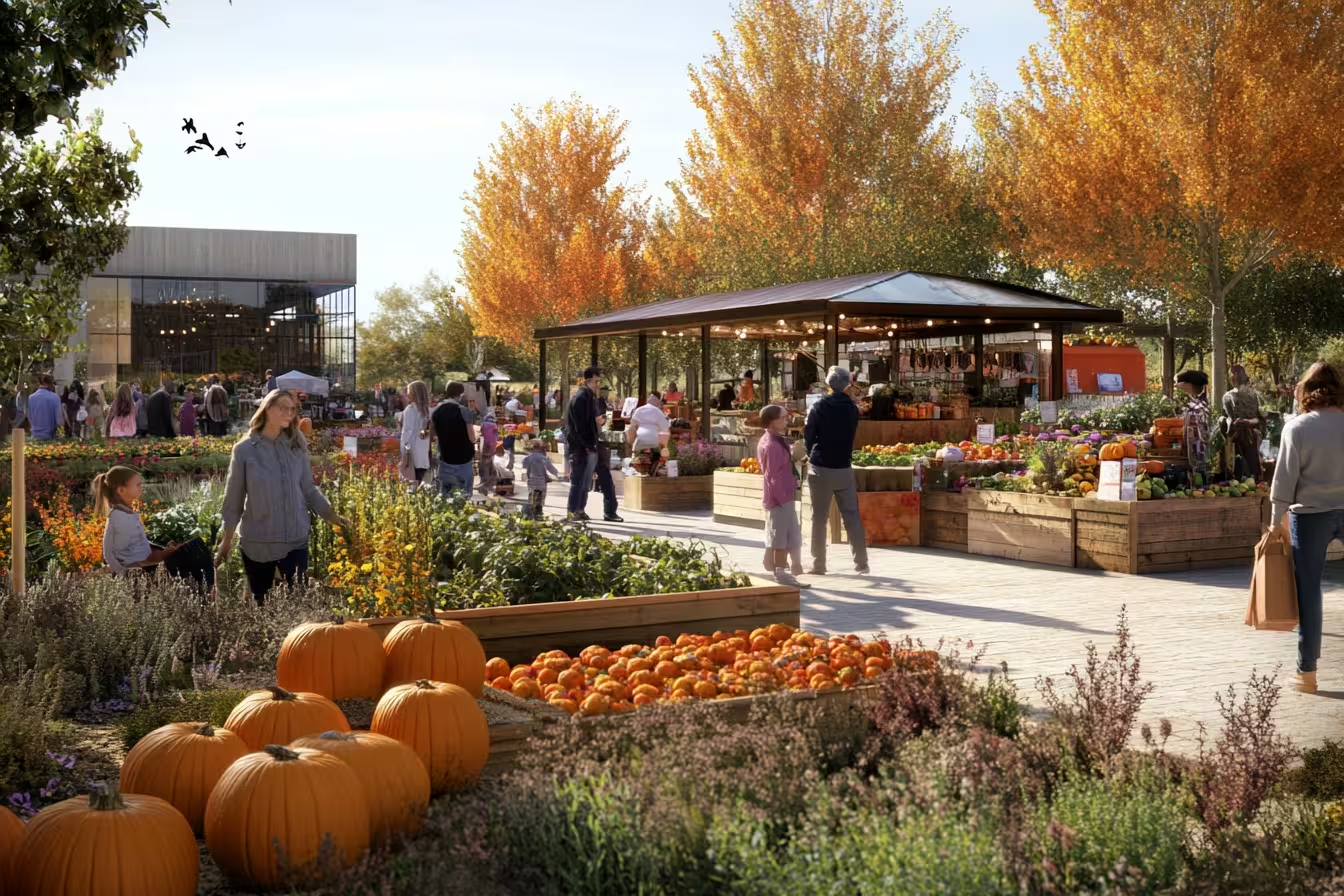
- Zoning for Agritainment: For example, planners can establish zoning that promotes the creation of small urban farms, community gardens, and pop-up markets that feature u-pick options or seasonal crops. These initiatives strengthen community bonds by combining education, entertainment, and local food access, creating meaningful gathering spots close to home.
- Supporting Mental Well-being: Agritainment also promotes mental well-being and environmental awareness, both of which are essential in urban environments. Studies show that exposure to green spaces reduces stress and enhances feelings of community cohesion.
Fostering a Sense of Place and Heritage
By integrating agritainment spaces within city limits or in easily accessible suburban areas, urban planners can design experiences that combat the isolation often associated with modern city life, promoting happier, more connected communities.
Urban areas that embrace agritainment not only cultivate a sense of place but also celebrate the land’s cultural and agricultural history. Such attractions remind communities of their shared heritage and create continuity between past, present, and future generations.

Supporting Data and Case Studies: How Agritainment Boosts Local Economies
Agritainment has proven to significantly impact local economies in several regions, bringing in visitors, supporting local businesses, and creating seasonal jobs. Here are some real-world examples that illustrate agritainment’s positive economic effects.
Linvilla Orchards’ Pumpkinland, Pennsylvania
Linvilla Orchards, located in Media, Pennsylvania, hosts its annual Pumpkinland event, drawing thousands of visitors each fall. While specific revenue numbers aren’t publicly available, the event is known to significantly contribute to the local economy, attracting tourists and supporting nearby businesses, including restaurants, shops, and hotels.
Linvilla Orchards: https://www.linvilla.com
Apple Hill, California
Apple Hill, an agricultural community in the Sierra Foothills near Placerville, California, consists of over 50 family-owned orchards, farms, and wineries. Each fall, Apple Hill attracts thousands of visitors for apple picking, wine tastings, and seasonal festivals. This influx of tourists boosts the local economy, providing a steady revenue stream for various local businesses and enhancing the area’s appeal as a rural tourism destination.
Apple Hill: https://applehillca.com
Yakima Valley, Washington
Known for its vineyards and fruit-picking events, the Yakima Valley in Washington is another successful example of agritainment’s economic impact. Agritainment in this region has supported local tourism and generated employment opportunities in the agricultural and hospitality sectors, contributing significantly to the area’s economy.
These examples demonstrate that agritainment offers not only recreational benefits but also provides economic value to communities by boosting tourism, supporting local businesses, and creating connections between residents and the agricultural heritage of their region.
Yakima Valley Tourism: https://www.visityakima.com
Benefits for Urban Planners
Tourism and Economic Growth
Agritainment attracts both locals and tourists, increasing spending in local communities and supporting small businesses. From food vendors to craft artisans, these attractions provide economic benefits by drawing in visitors who contribute to the local economy. For example, pumpkin patches, u-pick orchards, and seasonal festivals all encourage spending on-site and at surrounding businesses, fostering economic growth in rural and suburban areas.
Community Engagement
Urban planners can leverage agritainment to create inclusive, family-friendly spaces that welcome people of all ages and backgrounds. These attractions provide opportunities for community members to gather, connect, and enjoy shared experiences. Agritainment fosters social connections, builds community identity, and provides safe, enjoyable spaces for families, friends, and newcomers.
Environmental and Educational Impact
Agritainment sites offer valuable educational opportunities, teaching sustainable practices and nurturing an appreciation for nature. Urban residents, often disconnected from agricultural life, can experience firsthand how food is grown and harvested, helping them understand the value of sustainable agriculture. Additionally, agritainment attractions can integrate eco-friendly practices, such as composting and water conservation, setting an example for environmental responsibility.

The Benefits of U-Pick, Apple Orchards, and More
Incorporating u-pick fields, apple orchards, and similar agritainment attractions into urban planning offers numerous benefits, blending tourism appeal, local food access, and environmental education to meet community needs.
- Hands-On Harvesting Experience: These spaces, often located within or near urban areas, allow residents and tourists to personally participate in the harvesting process. This interaction:
- Builds awareness of sustainable farming practices
- Creates a personal connection to food sources, an experience often rare in urban settings
Urban Green Zones and Biodiversity
For urban planners, establishing u-pick fields and apple orchards within city limits or suburban edges contributes to a greener, healthier urban environment.
- Supporting Biodiversity: These “green zones” act as essential urban oases, attracting pollinators such as bees and butterflies that are vital to the ecosystem.
- Activities and Education: Beyond their natural beauty, orchards and u-pick fields offer a range of activities:
- Seasonal festivals
- Educational workshops on topics like harvesting, beekeeping, permaculture, and organic farming
- Opportunities for families, schools, and community organizations to connect people of all ages to nature and agriculture
Food Access and Sustainability
U-pick orchards and fields also play a critical role in promoting food access and sustainability.
- Local Food Systems: By providing spaces where people can pick their own fruits and vegetables, urban planners encourage residents to engage with local food systems and understand the importance of seasonal produce.
- Reducing Carbon Footprint: Local u-pick farms offer an eco-friendly, cost-effective alternative to long-haul food distribution, cutting down on carbon emissions from food transport. These urban agricultural spaces align with sustainability goals and help cities reduce their carbon footprint.
Community Gathering Places and Economic Support
These u-pick orchards can also serve as community gathering spots, fostering a connection between residents and their surroundings.
- Seasonal Events and Local Economy: Attractions like apple-picking festivals, cider tastings, and family-friendly harvest days bring people together and promote local pride. Such events benefit:
- Small businesses and artisans
- Farmers markets and pop-up shops, enhancing tourism appeal and driving local economic growth
Demonstration Sites for Sustainability
Urban planners can leverage u-pick fields and orchards as demonstration sites for green technologies and sustainable agricultural practices.
- Community Participation: Residents can engage in sustainable projects such as rainwater harvesting, composting, or permaculture gardening. These experiences:
- Empower community members to adopt similar practices at home
- Provide urban youth with invaluable, hands-on lessons in environmental responsibility, helping bridge generational gaps and fostering future environmental stewards
A Shift Toward Sustainable, Community-Focused Development
As cities evolve, integrating orchards and u-pick fields within urban areas reflects a broader movement toward sustainable, community-centered development.
Enhancing Quality of Life: U-pick orchards and fields contribute to a unique sense of place, strengthening connections between people and the environment, and improving urban life.
Ecological and Recreational Benefits: These spaces support ecological goals while offering recreational and educational opportunities.
Potential Challenges in Agritainment
While agritainment brings significant benefits to urban and suburban areas, it also presents unique challenges that urban planners need to address to ensure sustainable growth.
- Land-Use Conflicts: Integrating agritainment spaces like u-pick fields, apple orchards, and pumpkin patches into urban environments can create conflicts over land designation.
- Zoning Balance: Urban planners must carefully balance these agricultural and recreational spaces with residential, commercial, and industrial needs, requiring thoughtful zoning and planning.
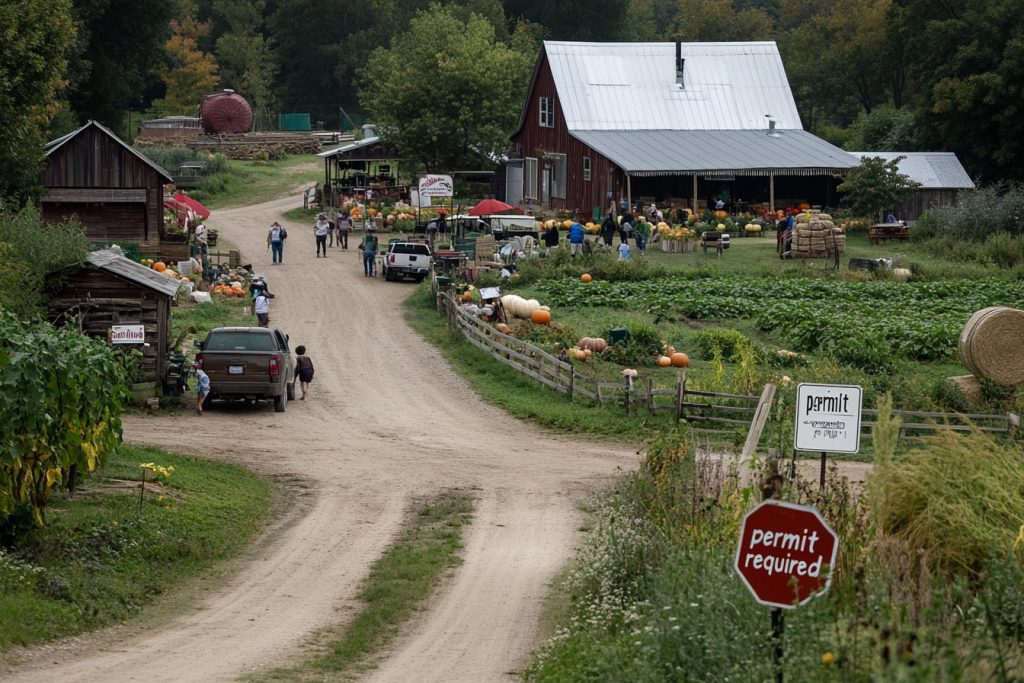
- Permitting and Regulatory Process: Establishing agritainment spaces often involves navigating complex permitting and regulatory requirements.
- Varying Permits: Specific permits are typically needed for u-pick fields, event venues, or small craft distilleries, with requirements that vary by location.
- Regulations on Operations: Noise limits, operating hours, and environmental impact assessments can pose challenges, especially for smaller agritainment projects.
- Streamlining Permits: Planners can help by creating clear guidelines and collaborating with local authorities to simplify the permit process for small-scale agricultural attractions.
- Infrastructure Strain: High visitor volumes during peak seasons can place stress on local infrastructure.
- Traffic and Parking: Agritainment attractions may lead to congestion in local roads and parking areas, especially during popular times of the year.
- Waste Management: Managing increased waste and maintaining public facilities can strain local resources.
- Seasonal Amenities: Planners can anticipate visitor flows and consider temporary infrastructure solutions, such as expanded public transit access or temporary parking facilities, to reduce community impact.
- Preserving Community Identity: While agritainment attracts tourists and generates economic benefits, it can disrupt the local character if not managed carefully.
- Quality of Life for Residents: Increased traffic, noise, and seasonal shifts in population density may affect the quality of life for local residents.
- Community Engagement: Involving the community in planning and gathering feedback can help planners shape agritainment spaces that enhance neighborhood culture rather than disrupt it.
Thoughtful Planning for Sustainable Agritainment
By addressing these challenges through thoughtful planning, urban planners can ensure that agritainment remains a positive addition to urban landscapes. This approach allows agritainment to offer recreational and economic benefits while respecting community needs and resources.

Craft Brewery, Winery, and Distillery – Local Flavor with Cultural Impact
Agritainment is further enriched by the inclusion of craft wineries, breweries, and distilleries, which bring a unique cultural dimension to local attractions.
- Supporting Local Flavor and Economy: These small-scale, artisanal producers:
- Offer visitors a taste of local flavors
- Support local economies by creating jobs and driving tourism
- Dedicated Zones for Growth: For urban planners, fostering the growth of these craft producers involves creating dedicated zones and streamlining permit processes, enabling these businesses to thrive and contribute vibrantly to the community.
Connection to Regional Heritage
Craft wineries, breweries, and distilleries are often deeply rooted in the heritage of their region, emphasizing local traditions and ingredients.
- Locally Sourced Ingredients: By using grains, fruits, or other ingredients from local farms, these producers:
- Highlight regional agricultural strengths and terroir
- Create an authentic experience that connects visitors to the area’s history and identity
- Beyond Traditional Tourism: This unique focus offers a tourism experience that goes beyond typical attractions, providing a deeper sense of place.
Economic Impact and Tourism Benefits
Craft alcohol producers play a significant role in boosting local tourism and supporting other businesses.
- Attracting Tourists and Locals Alike: These establishments appeal to both residents and tourists seeking authentic, local experiences.
- Special Events and Festivals: With tastings, guided tours, and events such as wine or beer festivals, these businesses encourage longer stays and higher visitor spending, benefiting nearby restaurants, hotels, and shops.
Craft Establishments as Community Hubs
Many craft breweries, wineries, and distilleries contribute to community building, creating vibrant social scenes that attract a diverse audience.
- Collaborations with Local Artisans: These producers often partner with food trucks, live musicians, and artists, making them lively gathering spaces.
- Beyond Production: Craft alcohol establishments become more than just places to buy drinks—they are social hubs where locals and visitors gather to enjoy the area’s culture.
Sustainable Practices and Environmental Impact
Craft producers often implement eco-friendly practices, reinforcing their role in sustainable community development.
- Sustainable Production: Many breweries, wineries, and distilleries use methods like water recycling, energy-efficient brewing, and organic farming partnerships.
- Encouraging Sustainability: Urban planners can promote these practices through green incentives and sustainability grants, supporting the community’s environmental goals.
Integrating Craft Production into the Community
Urban planners can ensure that these businesses are well-integrated within neighborhoods to maximize positive impact.
- Zoning and Accessibility: By establishing designated zones and easing restrictions, planners can encourage growth while maintaining harmony with residential areas.
- Community-Focused Policies: Policies on tasting room hours, outdoor event permits, and parking requirements can enhance the community-friendliness of these establishments.
Enhancing Agritainment through Local Flavor
In summary, craft breweries, wineries, and distilleries bring together local flavor, cultural heritage, and economic growth. By supporting these businesses, urban planners create a vibrant agritainment scene that reflects the region’s identity, enriches the economy, and fosters a strong sense of community pride.
Planning and Permits: Balancing Growth and Accessibility
To ensure the success of agritainment, urban planners must carefully balance growth with accessibility and community impact.
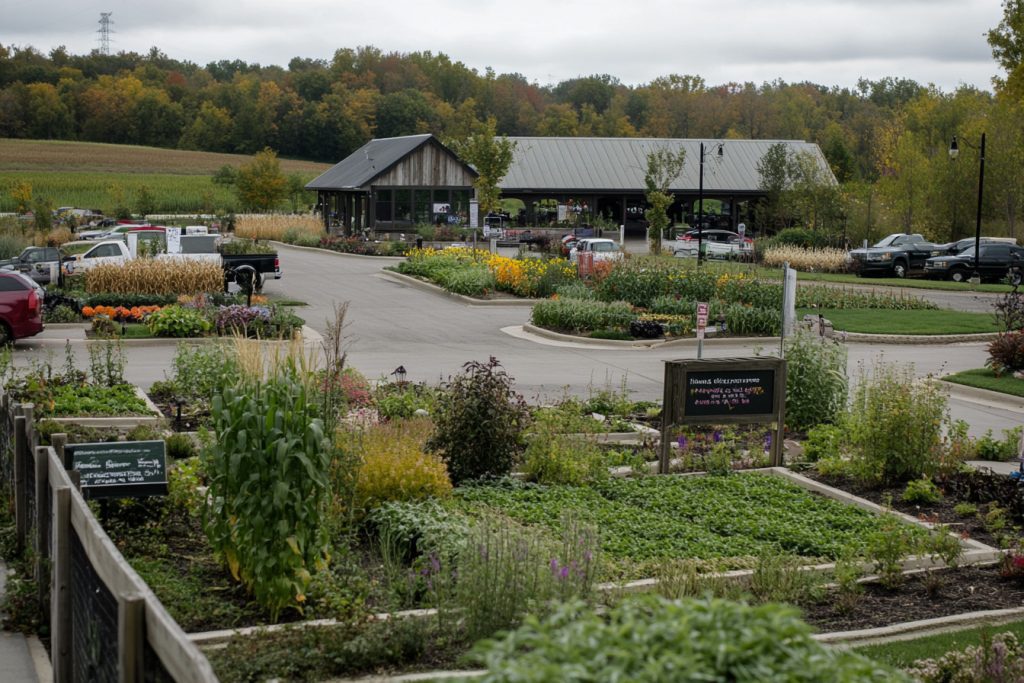
- Zoning for Harmony: As agritainment attractions grow in popularity, thoughtful zoning is essential to ensure these spaces coexist harmoniously with surrounding neighborhoods.
- Designated Zones: By establishing specific zones for activities like u-pick fields, pumpkin patches, and craft breweries, planners can minimize conflicts with residential areas and create a structured layout that benefits both agritainment and local communities.
Managing Parking and Traffic Flow
Parking facilities are a critical component of successful agritainment spaces, especially during peak seasons.
- Addressing High Visitor Volumes: Many agritainment sites experience increased traffic on weekends and during peak seasons, which can lead to congestion, noise, and frustration.
- Solutions for Parking: Planners can consider designated parking lots, overflow areas, and shuttle services from nearby locations, especially in densely populated urban edges.
Enhancing Public Transit Access
Public transit can significantly improve access to agritainment attractions, particularly for urban residents.
- Sustainable Transportation Options: Many cities are promoting sustainable transportation, and public transit routes can make rural attractions easier to reach.
- Collaborative Transit Planning: Planners might partner with local transit authorities to establish seasonal bus routes or carpooling incentives, reducing environmental impacts and traffic congestion.
Making Agritainment Accessible for All
Accessibility extends beyond physical access to include affordability and availability for diverse demographics.
- Visitor-Friendly Pricing: Planners can work with agritainment businesses to ensure that admission fees are reasonable, creating visitor-friendly pricing structures.
- Seasonal Hours and Discounts: Special discount days or extended hours can help families, schools, and community groups enjoy these attractions on flexible schedules.
Supporting Sustainable Practices
Agritainment growth also brings environmental considerations that planners must address.
- Infrastructure Upgrades for Sustainability: Popular attractions like corn mazes and u-pick orchards often require improvements to manage water use, waste disposal, and foot traffic.
- Sustainable Guidelines: Planners can promote environmental health by implementing composting stations, recycling bins, and efficient water systems, minimizing ecological impact while keeping spaces clean.
Ensuring Safety and Regulatory Compliance
Safety and compliance are essential for maintaining a positive public image and ensuring visitor safety.
- Health and Safety Standards: Planners must ensure that agritainment businesses meet health, safety, and food-handling standards to protect visitors.
- Clear Safety Protocols: Establishing guidelines for equipment maintenance, emergency procedures, and other safety measures helps agritainment sites operate smoothly and responsibly.
Collaborative Planning for Sustainable Agritainment
Balancing growth and accessibility in agritainment is a collaborative process involving local authorities, business owners, and community members. By addressing these key aspects, urban planners can create a sustainable, inclusive agritainment sector that benefits both visitors and local residents while respecting environmental and community needs.

Practical Implementation Tips for Urban Planners
To make agritainment successful and sustainable, urban planners can consider several practical strategies that ensure these spaces are well-integrated into the community.
Zoning and Land Use
Implementing zoning strategies that support agritainment is essential. Mixed-use or agricultural zones can allow for seasonal events like u-pick orchards, pumpkin patches, and farmers’ markets, making it easier for these activities to coexist with residential and commercial spaces. Flexible zoning helps create structured areas where agritainment can thrive without disrupting local residents.
Permitting Simplification
Simplified permitting processes can encourage small-scale agritainment projects. For instance, reducing the number of required permits or creating a streamlined process for seasonal agritainment activities can make it easier for small farms and businesses to participate. Collaborating with local authorities to design permit guidelines specifically for agritainment will enable more local entrepreneurs to engage in these activities.
Community Feedback Mechanisms
Engaging the local community early in the planning process is key to addressing potential concerns, such as noise or increased traffic. Urban planners can organize town hall meetings, surveys, or public forums to gather feedback from residents. By involving the community, planners can shape agritainment spaces that reflect the community’s needs and enhance neighborhood harmony.
Addressing and Balancing Challenges
To ensure agritainment remains a positive addition to local communities, urban planners should address potential challenges related to environmental impact and community integration.
Environmental and Traffic Management
Minimizing the environmental impact of agritainment sites can help preserve community resources and maintain sustainability. Strategies include:
- Shuttle Services: Implementing shuttle services from central locations to agritainment sites can reduce road congestion and lower vehicle emissions.
- Waste Management: Setting up composting and recycling stations helps manage increased waste during peak seasons, keeping the area clean and environmentally friendly.
Preserving Local Character
Integrating agritainment attractions while respecting the local culture is essential. Urban planners can consider:
- Seasonal Limitations: Limiting large events to certain times of the year can help balance visitor impact and reduce strain on resources.
- Visitor Caps: Setting visitor limits for certain attractions can prevent overcrowding, preserving a pleasant experience for both tourists and residents.

Crafting a Balanced Future for Agritainment in Urban Planning
Agritainment offers a unique and powerful opportunity for urban planners to enhance community spaces, promote local culture, and drive economic growth. From u-pick fields and apple orchards to craft breweries and pumpkin patches, these attractions provide family-friendly experiences that reconnect urban residents with agricultural roots and foster pride in local culture.
Key Benefits of Agritainment:
- Economic Growth: Agritainment boosts tourism and supports local businesses.
- Community Connection: These spaces help residents and visitors connect with local culture and agricultural heritage.
- Sustainability: By integrating eco-friendly practices, agritainment aligns with environmental goals.
With these benefits come challenges, such as land-use conflicts, infrastructure demands, and balancing community values. Thoughtful planning and zoning, accessible transit, and sustainable practices are essential to ensure agritainment remains inclusive and community-focused.
By investing in well-regulated agritainment spaces, planners can create vibrant attractions that enrich both the local economy and community life. Agritainment’s potential to boost tourism, support small businesses, and celebrate regional heritage makes it a valuable component of modern urban planning.
As cities continue to grow and evolve, agritainment offers urban planners a strategic tool for fostering community, boosting local economies, and promoting sustainability. By envisioning how agritainment can uniquely serve their community’s values and needs, planners can create spaces that not only stimulate economic growth but also inspire a lasting connection to the land and each other. Agritainment provides a pathway to vibrant, inclusive communities where residents and visitors alike feel grounded in a shared sense of place.
Read More
Books:
- Urban Agriculture: Growing Food in a City by David Tracey – A guide to planning and implementing urban agriculture projects.
- The New Agritourism: Hosting Community & Tourists on Your Farm by Barbara Berst Adams – Practical insights on starting and running agritourism businesses.
- The Urban Farmer: Growing Food for Profit on Leased and Borrowed Land by Curtis Stone – A practical book about creating sustainable urban farms, focused on profitability.
Websites:
- American Planning Association (APA) – Offers resources on urban planning, including case studies on agritourism.
- Agritourism World – A comprehensive site for finding agritourism locations and resources across the U.S.
- LocalHarvest – A website listing local farms, u-pick orchards, and farm-based events, helping residents find agritainment options near them.
As an Amazon Associate, I may earn from qualifying purchases. Check you local library.



2 Comments
“Farmers used to look forward to rain. Now, they hope for a steady stream of visitors.
As the bulk of food production shifts away from them and toward corporate agriculture, small- and medium-sized farms are diversifying their business models, aiming to share the rural experience with neighbors and use their land in new ways….”
https://www.naco.org/news/agritourism-helps-boost-rural-counties
From the National Travel Center: How do you Promote a County that is 79% farmland? With farm-based experiences, of course!
Note that I did not say Agri-tourism. That is an industry word: visitors go to farms….
https://www.linkedin.com/posts/national-travel-center_how-do-you-promote-a-county-that-is-79-farmland-activity-7262222645981577216-m-B5/