

Over the coming weeks, this series will explore a question that sits at the center of rural planning today: what does it take for small towns and rural counties not just to survive, but to build community facilities to help them remain functional, resilient, and economically relevant in a rapidly changing landscape?
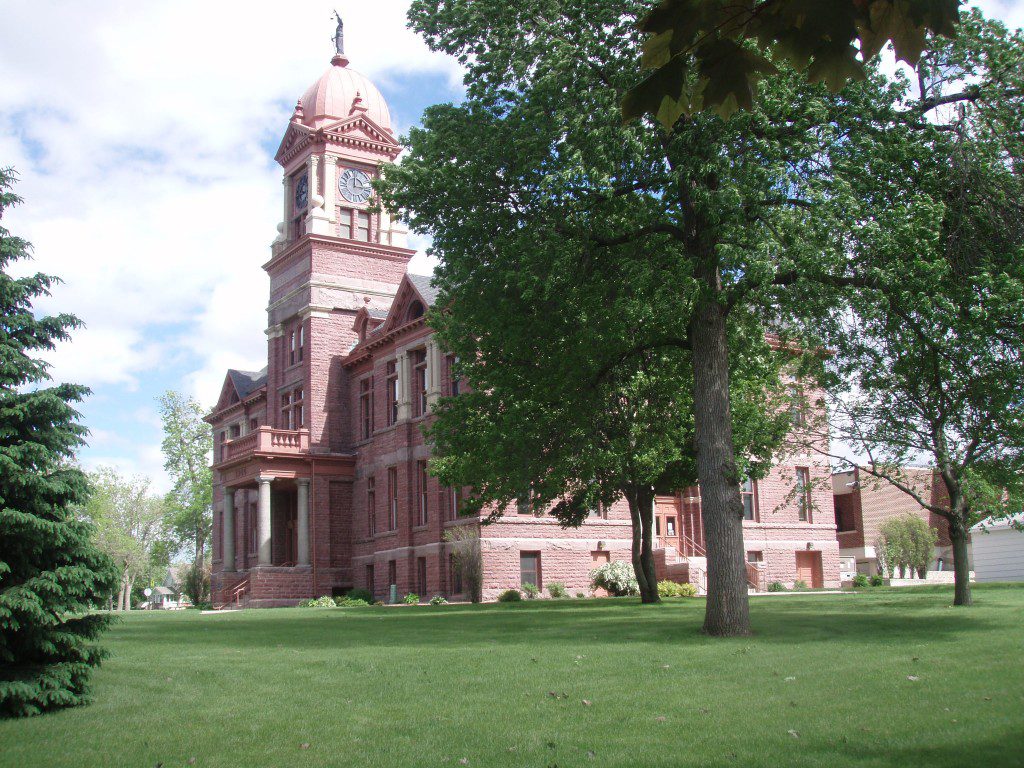
A Rural Planning Framework for Stronger Communities
Much of the conversation around rural development focuses on what communities lack—population growth, investment, infrastructure, workforce. But that framing misses something important. Rural places are not starting from zero. They are starting with assets—often overlooked, often underused, and often already built.
The challenge is not simply one of scarcity. It is one of alignment. Across many rural communities, the physical foundations of local life are under pressure. Civic buildings are aging. Historic structures sit vacant or underutilized. Schools and education systems are increasingly disconnected from local economic realities. And the expectations of rural residents are rapidly changing. Each of these issues is typically addressed in isolation. In practice, they are deeply interconnected.
This series takes a different approach. Rather than treating infrastructure, preservation, and education as separate topics, it looks at how community facilities function together as a system. Civic facilities are where how government operates. Historic buildings shape identity and economic opportunity. Education systems influence whether communities can retain and grow their workforce. When these elements are aligned, they reinforce one another. When they are not, even well-intentioned investments can fall short.

Each article focuses on one piece of that system:
- Rural Civic Infrastructure Is Driving a New Future for Small Town Communities
Exploring how communities are rethinking aging community facilities—and what it takes to keep local governance strong. - Old Buildings, New Economies: Historic Preservation as a Rural Growth Strategy
Examining how historic structures can shift from perceived liabilities to powerful economic development assets. - How Education as Infrastructure Is Powering Rural Economic Growth
Exploring how education systems function as infrastructure shaping workforce development and long-term community resilience. - From Rust Belt to Resilience: Lessons from Michigan and NPC26
Connecting local challenges to national conversations, with insights from Detroit and broader regional transformation.
The goal is not to offer a single solution. Rural communities are too diverse for that. Instead, the aim is to provide a framework—one that starts with what communities already have, and builds toward what they need. These are topics we pull together in our comprehensive planning projects to help local leaders break out of their silos and work together to provide the best public service they can.
This is where thoughtful rural planning becomes essential—not as theory, but as a practical framework for action.
Because in many cases, the path forward is not about building something entirely new. It is about seeing existing systems more clearly—and using them more effectively.

JC Shepard(dot)com
In April, we will be looking at Community Facilities, including historic sties and educational infrastructure, as part of the Comprehensive Plan process. I will also be participating in the American Planning Association’s annual National Planning Conference. This year #NPC26 is in Detroit, Michigan.
Our March series on Economic Development:
- What is Economic Development in Modern America? A Field Guide for Small Towns and Rural Places https://jcshepard.com/2026/03/what-is-economic-development-in-modern-america/
- Understanding Your Rural Economy—Jobs and Income and Why Headlines Never Tell the Whole Story https://jcshepard.com/2026/03/understanding-your-rural-economy/
- From Retention to Renewal: How BRE and Entrepreneurship Power Real Economic Development https://jcshepard.com/2026/03/from-retention-to-renewal-bre-entrepreneurship-economic-development/
- Front Porches and Paychecks: Housing, Quality of Life, and Economic Development https://jcshepard.com/2026/03/housing-quality-of-life-and-economic-development/
- How Global Trade Can Make or Break Rural Economies https://jcshepard.com/2026/03/global-trade-make-break-rural-economies/
Our August 2025 series on Rural Development:
- Rethinking the Rural Economy: New Paths, New Possibilities for Growth
- Business Retention in Small Towns: The Quiet Powerhouse of Rural Job Growth
- From Main Street to the World: Rural Entrepreneurship in Action
- The Rural Comeback: How Small Town Innovation Sparks Growth
- The Canadian Perspective on Rural Resilience
2026: Bring Your Plans to Life – Monthly Themes Preview
RuralStrong Podcast (Season 1 Episode 36)
Now playing on Youtube (audio), Spotify, and Apple Podcasts (February 2026). Transcription on the blog here.
Rural-Ready Engagement: Practical Tools for Small Town Planners
 Watch the full replay: youtube.com/@Engaging-Communities (February 2026)
Community engagement can look very different in small towns and rural communities. This webcast was co-sponsored by the APA Community Engagement Interest Group and the Small Town & Rural Planning Division.
Popular posts on JCShepard.com
- The Planning Process—From Vision to Action in Small Towns and Rural America (January 2026)
- Reviving Rural America: Why Heritage Tourism Is a Game-Changer Now (September 2025)
- What is Economic Development in Modern America? A Field Guide for Small Towns and Rural Places (March 2026)
- Rural Housing Supply Crisis: Why Small Towns Are Running Out of Homes (February 2026)
- How Small Towns Succeed: A Proven Playbook for Rural Action (November 2025)
- The Rural Comeback: How Small Town Innovation Sparks Growth (August 2025)
- How Small Towns Can Build a Strong Outdoor Economy Without Selling Out (June 2025)
Check out The 12 Planning & Sustainability Books You Need in 2026 and browse through the Small Town & Rural Community guides on our Resources page.
(As an Amazon Associate, we may earn commissions from qualifying purchases. Check your local library or bookshop, too.)
