
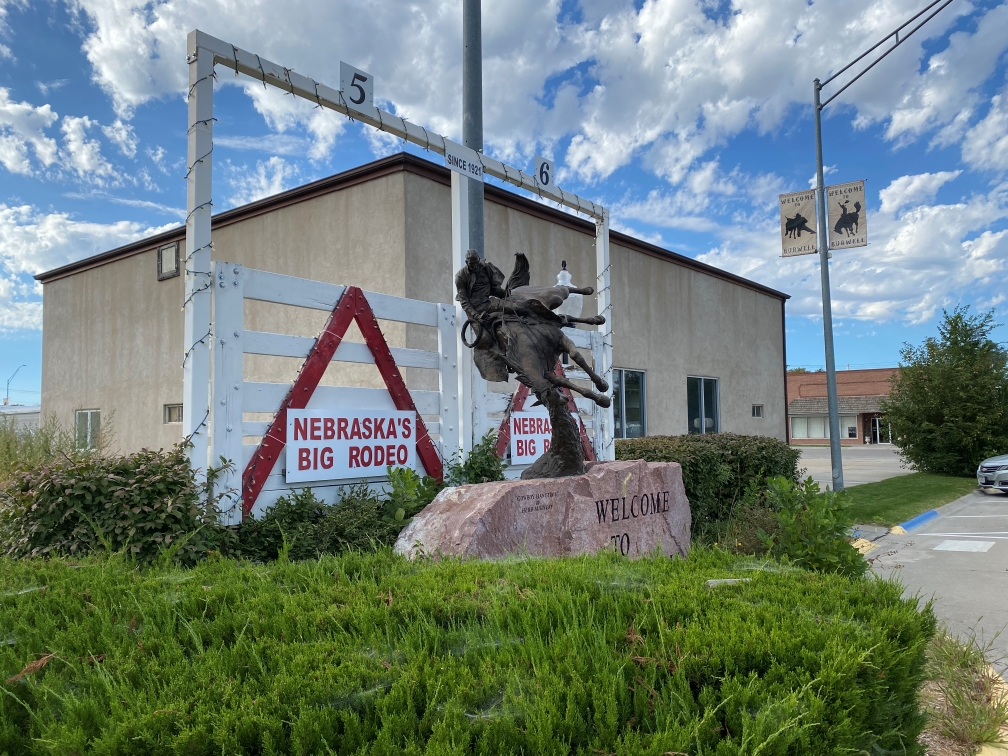
Let me tell you about a small town at the edge of the Nebraska Sandhills — a place that quietly demonstrates the true meaning of small town success. Just over 1,000 residents call the community home, yet over the summer many times that number arrive for the Big Rodeo or to spend time tubing the river or fishing up on the reservoir, just over the county line.
This is prime Great Plains farm and ranch land, yet it has also become a place to enjoy arts, culture, and a good day on the water.
This is Burwell, Nebraska.
What Drives Small Town Success in Burwell, Nebraska
My firm, Marvin Planning Consultants and MSA Professional Services, worked with City staff, elected officials, volunteers, local economic development, public schools, the Calamus Area Community Fund, and Central Nebraska Economic Development District on a new comprehensive plan, revised zoning regulations, a strategic plan, and a first-time Capital Improvements Plan. The effort was recognized by the Nebraska Chapter of the American Planning Association (APA) and the national APA Small Town & Rural Planning Division last year.
The secret wasn’t in my fine writing or our team’s extraordinary mapping skills.
The secret was out in the open: A community full of people willing to ask hard questions and have some honest conversations about how their home town could do what needs to be done.
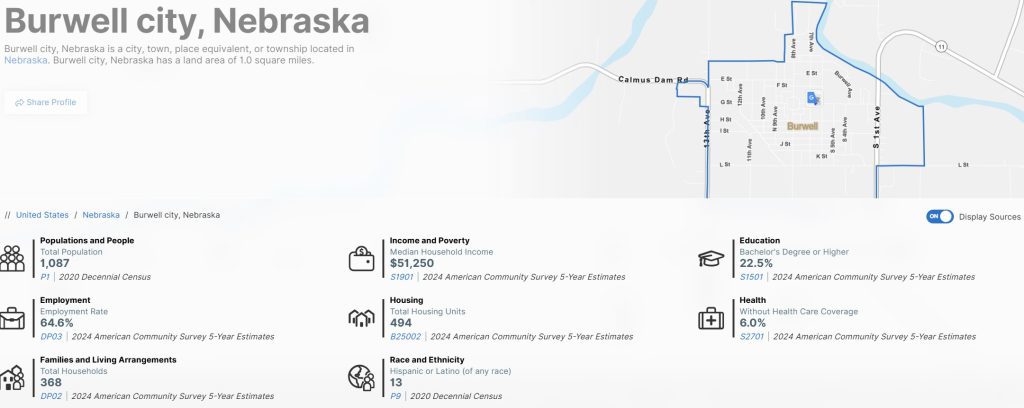
Now, we did the usually planner things. We did population trends. We did housing. We did economics. You know the trend out in rural Mid-America — we’re all getting older, we’re not building enough new houses, jobs are sparse to go around.
Yet we also found a higher share of local residents had some bachelor’s degrees as the state-wide average, and more had some college if not a full degree. Burwell’s a long way from a campus, but these days there are increasing opportunities in remote higher ed and workforce training.
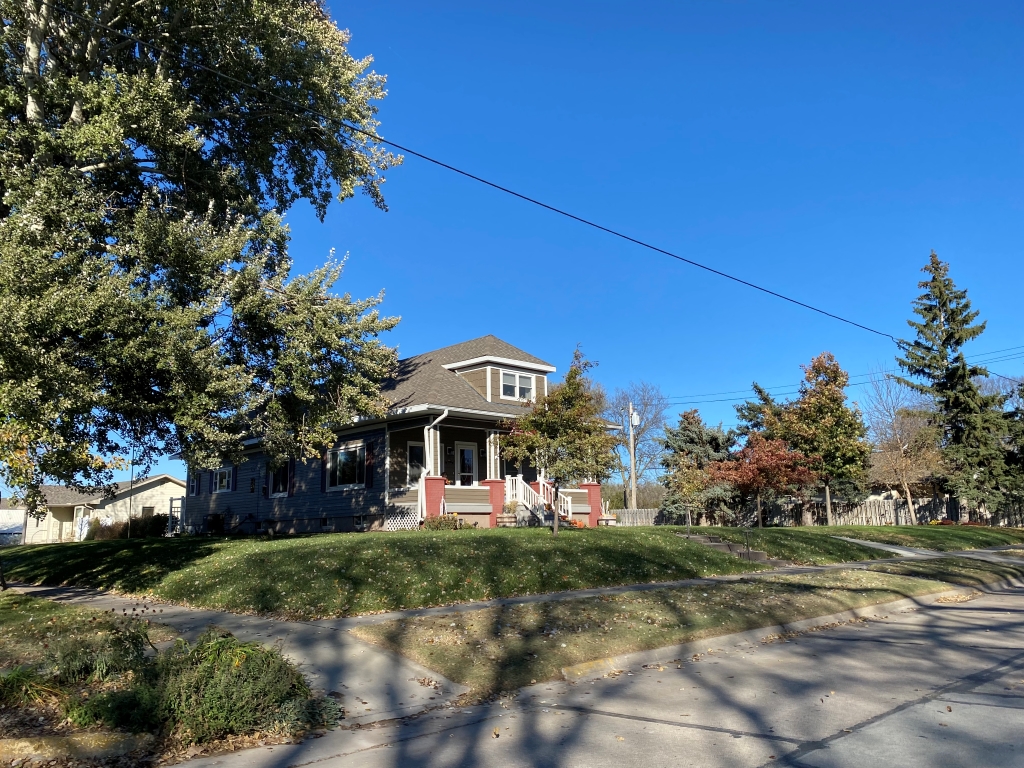
As for housing, a lot of those seasonal visitors from the big city were snapping up “bargains” and turning them into short-term rentals or boat storage. Good for lodging taxes. Not so good for affordable housing. Rather than complain about it, local leaders bootstrapped matching grant funds and were getting to work building workforce housing. One. House. At. A. Time.
Local economics in rural Garfield County were also looking up. Admittedly starting from a low base, income has grown steadily over the past 25 years, faster than statewide averages and faster than the national Consumer Price Index. It can be tough to parse jobs trends, because State and Federal statistical agencies have to protect the privacy of individual employers. Local economic development staff and volunteers, though, were out there talking to their major employers, like an electrical equipment manufacturer, an ag equipment manufacturer, and the local health center. Qualitative data gives context to quantitative data and helps produce actionable information.
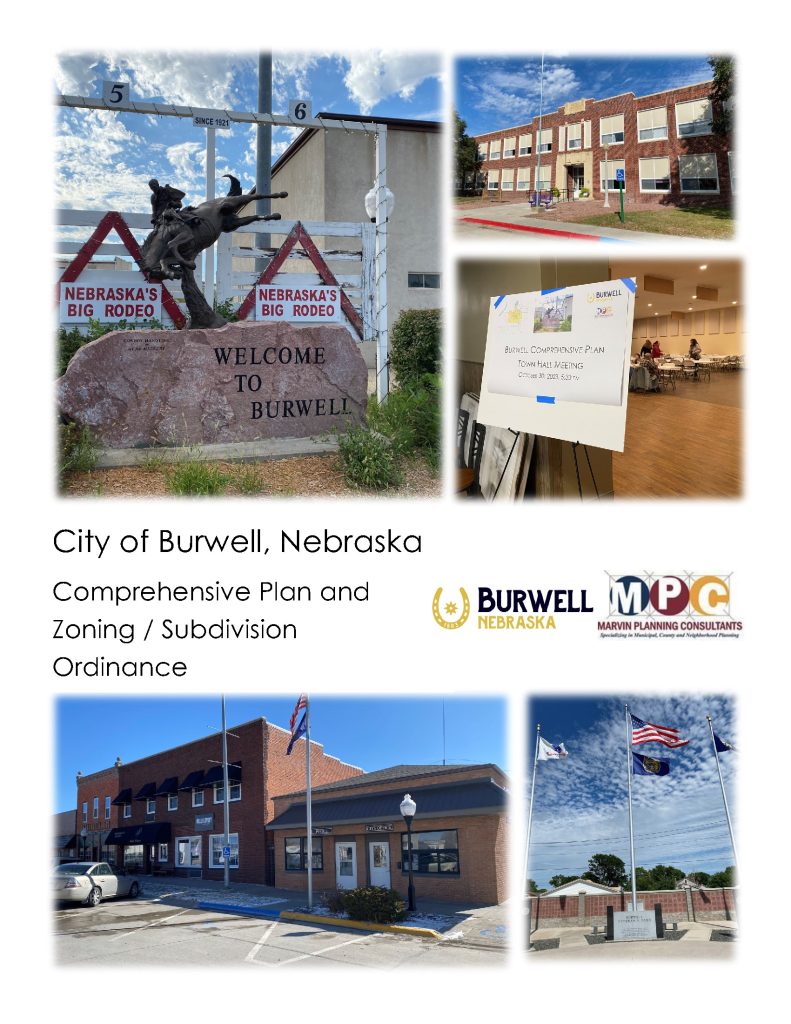
These were just the first few chapters of the citywide comprehensive plan, but their recommended goals and actions informed the rest of the project — zoning, strategic plan, and Capital Improvements Plan. We came up with realistic housing goals and action items like encouraging development of house-scale “Missing Middle” housing in town. We came up with a few economic development goals and action items like upgrading the city website (which they completed before the plan was even adopted).
A plan only documents the planning process. It’s a record of what we learned, who we talked to, and what they came up with. The plan is a map for the journey you small town is already on.
What’s on the map to your small town’s success?
******************
Cross-posted at Medium.com and the Small Towns, Real Ideas newsletter.