

How international trade shapes rural economic development — and what communities can do about it.
Economic Development Series — Article 5
On a quiet morning in a rural farming community, a producer checks commodity prices before heading into the fields. What appears to be a local decision — when to harvest, when to sell — is shaped by forces far beyond the horizon. Demand from Asia and the Middle East, trade agreements negotiated in distant capitals, and fluctuations in global currency markets all play a role.
This is the reality of modern rural economies: they are deeply embedded in global systems of trade.
For rural leaders and policymakers, this raises a critical question: is international trade a pathway to growth and resilience — or a source of vulnerability and instability? In practice, it can be both. Global markets can expand opportunity, but they can also expose structural weaknesses in local economies.
The difference lies not in trade itself, but in how rural regions are positioned within it — how they produce, how they add value, and how they adapt to change.
Wrapping up our March series on economic development, we will explore how global trade shapes rural development through real-world cases — from export-dependent farming regions in the United States to coffee cooperatives in Ethiopia and manufacturing hubs in Germany — highlighting both the opportunities it creates and the risks it exposes.

The Promise of Global Markets
Global trade has long served as a powerful engine for rural economic growth. By extending market access far beyond local and national boundaries, it enables rural producers to scale production, increase revenues, and connect to global value chains.
For many rural regions, this expanded reach transforms structural limitations into competitive advantages. Agricultural producers are no longer constrained by local demand. Grains, livestock, timber, and specialized products can be exported to rapidly growing markets across Asia, Africa, and beyond. The benefits are real and wide-ranging:
- Increased productivity driven by global competition
- Higher and more diversified revenue streams
- Greater access to advanced technologies and inputs
- New investment tied to export-oriented industries
In this sense, global markets can act as a development multiplier, amplifying the economic potential of rural regions.
Yet the benefits of trade are not limited to resource-based sectors. In some of the most successful rural economies, global integration has enabled a transition toward high-value, specialized production — a shift that redefines what rural communities can offer the world.
A compelling example can be found in Germany, where rural regions are home to thousands of small and medium-sized enterprises collectively known as the Mittelstand. These firms are often family-owned, deeply rooted in their local communities, and globally competitive in highly specialized niches — from precision engineering to advanced manufacturing components.
Rather than competing on volume alone, many focus on quality, innovation, and specialization. They export worldwide while maintaining strong local supply chains and workforce ties. The result is a model of rural development combining stable employment, strong export performance, deep local embeddedness, and long-term resilience.
Crucially, this success is not accidental. It is supported by coordinated investments in vocational education, infrastructure, and regional innovation systems that enable firms to continuously adapt to global demand.
This example illustrates a broader point: global trade can do more than expand markets for existing products — it can redefine what rural economies produce. When communities move beyond raw commodities and into specialized, value-added sectors, they are better positioned to capture the full benefits of global integration. Trade, in this light, is not simply an external force acting upon rural regions. It is a tool — one that, when paired with strategic local development, can unlock new pathways to growth, competitiveness, and long-term prosperity.

The Perils of Commodity Dependence
While global trade can unlock significant opportunities, it also exposes a fundamental vulnerability in many rural economies: dependence on a narrow set of commodities. Commodity-based systems are inherently volatile. Prices are shaped by global supply and demand, geopolitical tensions, currency fluctuations, and shifting trade policies — factors that lie far beyond the control of local communities.
A clear illustration of this dynamic can be seen in the U.S. Midwest, where soybean production is deeply integrated into global markets. For years, rising demand from China fueled growth, encouraging farmers to expand production and invest in land and equipment. Rural economies benefited from strong export revenues and related economic activity.
This dependence became a liability during the 2018–2019 trade conflict between the United States and China, and more recently since 2024. When retaliatory tariffs were imposed on U.S. soybeans, export volumes dropped sharply and prices declined. The consequences rippled quickly through rural communities:
- Farm incomes fell significantly
- Local agribusinesses and transport sectors experienced sharp downturns
- Financial stress spread across communities with few alternative income sources
Federal aid helped cushion the blow, but it did not address the underlying structural vulnerability: exposure to external shocks over which local actors have little influence.
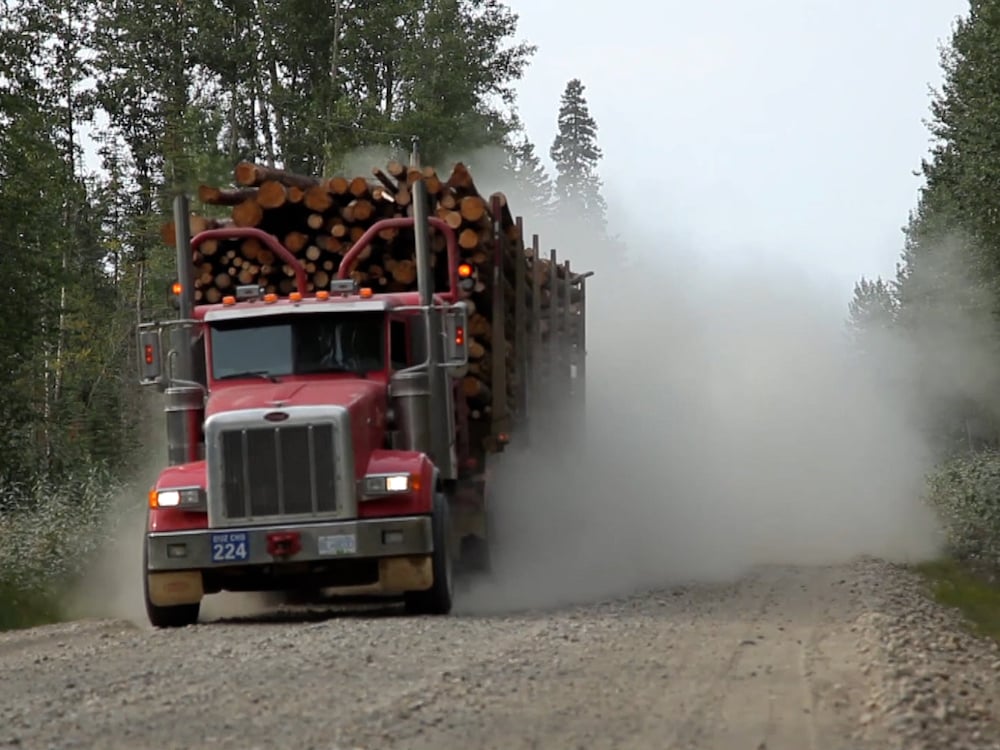
A parallel story unfolded in the forestry sector of British Columbia, where rural communities have long depended on timber exports. Global demand cycles and ongoing trade disputes — particularly with the United States — have created repeated periods of boom and bust. When demand is strong, forestry towns thrive. When it weakens or trade restrictions tighten, the downturn can be swift: sawmills close, jobs disappear, and communities with few alternative industries face population decline and shrinking municipal revenues.
These cycles reveal a structural challenge: commodity dependence concentrates risk. When a single sector dominates the local economy, external disruptions are amplified rather than absorbed.
In response, some regions have begun pursuing strategies aimed at reducing this vulnerability. Chief among these is value-added development — moving beyond raw material exports toward processing and manufacturing activities that capture more economic value locally. In forestry, this includes engineered wood products and biomaterials; in agriculture, food processing and biofuels. Such strategies do not eliminate exposure to global markets, but they change the terms of engagement. By diversifying economic activity and extending participation along the value chain, rural communities can reduce their sensitivity to price swings and external shocks.
The lesson is clear: integration into global trade is not inherently stabilizing. Without diversification and value creation, it can magnify risk just as easily as it creates opportunity.

Rural Manufacturing and Trade Policy
Between agriculture and heavy industry lies a critical — yet often underappreciated — pillar of rural economies: manufacturing. In many regions, small and mid-sized factories provide stable employment, diversify local income sources, and anchor regional supply chains. Increasingly, these firms are embedded in global production networks, which creates opportunity but also exposes them to the complexities of international trade policy.
Tariffs, trade agreements, regulatory standards, and supply chain dynamics all shape the competitiveness of rural manufacturers. What may appear to be distant policy decisions can have immediate, tangible effects at the local level. A single shift in trade policy can alter input costs, disrupt supplier relationships, or open — and just as quickly close — access to key export markets:
- Tariffs can increase the cost of imported components, putting pressure on already narrow margins
- Trade agreements can expand market access, enabling firms to scale exports and reach new customers
- Standards and certification requirements often determine whether products can enter foreign markets at all
- Logistics and infrastructure influence whether rural firms can reliably participate in global supply chains
For rural manufacturers, these are not abstract policy considerations — they are day-to-day business realities.
The German Mittelstand model is instructive here as well, though the mechanism at work is distinct from the earlier discussion of export orientation. What enables these firms to navigate global trade environments effectively is not just their product specialization, but the institutional ecosystem surrounding them: stable and predictable trade frameworks within the European market, strong support for export compliance, and close alignment between industry needs and vocational education. Together, these conditions allow even small rural firms to compete globally while remaining rooted in their communities.
Not all rural regions benefit from such conditions. In many parts of the world, rural manufacturers face limited access to export support services, inadequate transport and digital infrastructure, greater exposure to sudden trade disruptions, and difficulty adapting to rapidly evolving regulatory environments. These constraints limit participation in global markets — or make firms significantly more vulnerable when conditions change.
Effective policy responses include investing in transport and digital infrastructure, providing targeted export assistance for small and medium-sized enterprises, supporting compliance with international standards, and strengthening regional supply chain networks. When these conditions are in place, rural manufacturing can serve as a bridge between local economies and global markets — offering both stability and growth potential.
Trade policy does more than regulate exchange between countries; it shapes the long-term viability of rural industries. For communities seeking to build resilient economies, understanding and engaging with these policy frameworks is no longer optional — it is essential.

Human Capital and Adaptability
Global trade sets the external conditions for rural economic development, but it is local capacity that determines how communities respond. The ability to adapt — to shifting markets, evolving technologies, and changing policy environments — depends fundamentally on investments in human capital and institutional strength.
Rural regions that prioritize education, skills development, and entrepreneurship are significantly better positioned to navigate the uncertainties of global trade. Rather than reacting to external shocks, they develop the capacity to anticipate change, diversify their economies, and capture new opportunities. Key enabling factors include:
- Education and workforce development aligned with emerging industries
- Digital connectivity — particularly broadband access — enabling participation in global markets
- Entrepreneurial ecosystems that support small businesses and exporters
- Local leadership and governance capable of long-term, strategic decision-making
These elements form the foundation of what can be described as adaptive rural economies — places defined not by a single industry, but by their capacity to evolve.
A powerful illustration of this can be found in Ethiopia, where millions of smallholder farmers depend on coffee production for their livelihoods. (I prefer Costa Rican coffee myself, but coffee is an essential good wherever it comes from.) Historically, these farmers were highly vulnerable to global price fluctuations, with limited influence over the terms of trade and little access to higher-value segments of the market.
In recent years, a combination of local organization and institutional support has begun to shift this trajectory. Coffee cooperatives have played a central role, enabling farmers to pool resources, improve quality standards, and engage more directly with international buyers. Participation in fair trade and specialty coffee markets has created new pathways to higher-value exports. The results are meaningful:
- Increased and more stable incomes for participating farmers
- Greater bargaining power within global value chains
- Strengthened local institutions and community cohesion
Importantly, these gains are not solely the result of market access. They reflect deliberate investments in skills, organization, and market knowledge — all key components of human capital. Integration into global trade does not automatically lead to inclusive growth. Without the capacity to adapt and upgrade, rural producers remain confined to the lowest-value segments of the value chain. But with the right investments, even small-scale producers can reposition themselves within global markets and capture greater value.
For policymakers and rural leaders, the implication is clear: economic resilience is not built through trade alone, but through people — through their skills, their networks, and their ability to respond to change. In a global economy defined by constant transformation, adaptability is not just an advantage. It is a necessity.

Rural Policy and the Path Forward
If global trade defines the playing field, policy determines how — and whether — rural communities can compete on it. The difference between regions that thrive and those that struggle is rarely explained by market forces alone. More often, it reflects the presence — or absence — of coordinated, forward-looking policy frameworks.
As the preceding cases illustrate, global trade can both generate opportunity and amplify risk. The role of policy is therefore not to shield rural economies from global markets, but to equip them to engage more effectively and resiliently. This requires action across several interconnected areas.
1. Enabling fair and predictable trade environments
Rural producers and manufacturers depend on stable access to international markets. Sudden tariff changes, prolonged trade disputes, or regulatory uncertainty can have disproportionate impacts on smaller, export-dependent communities. Transparent, rules-based trade systems provide the predictability needed for long-term investment and planning.
2. Investing in infrastructure for global connectivity
Participation in global trade is contingent on connectivity. Transport networks — roads, rail, ports — remain essential, but digital infrastructure is increasingly just as critical. Broadband access enables rural firms to reach customers, manage supply chains, and comply with international standards. Without these foundations, even competitive businesses face structural barriers.
3. Supporting small and medium-sized exporters
Large firms often have the capacity to navigate complex trade environments; smaller rural enterprises rarely do. Targeted export assistance — from market intelligence and financing to regulatory guidance — can significantly lower the barriers to internationalization. This is particularly important for value-added producers seeking to move up the value chain.
4. Promoting economic diversification and value addition
Overreliance on a single sector increases vulnerability, as commodity-dependent regions have shown. Policy can play a catalytic role in encouraging diversification — supporting sectors such as food processing, advanced manufacturing, and the bioeconomy. Incentives for local processing and innovation help retain more value within rural communities.
5. Strengthening human capital and institutional capacity
Adaptability depends on people and institutions. Investments in education, vocational training, and entrepreneurship are essential, as is support for local governance and cooperative structures. Strong institutions enable communities to coordinate responses, access markets, and manage transitions more effectively.
6. Providing transition support in times of disruption
Even the most resilient communities face shocks — from trade disputes, technological change, or shifting global demand. Targeted transition policies, including income support, retraining programs, and regional development funding, can help communities adjust without long-term decline.
Taken together, these policy areas point toward a common objective: moving rural economies from a position of passive exposure to active participation in global trade. This shift requires alignment across local, regional, and national levels of governance, as well as a long-term perspective — one that recognizes resilience is built over time through sustained investment, not short-term interventions.
Global trade will continue to shape the future of rural economies. The question is not whether these forces can be controlled, but whether communities are prepared to respond. With the right policy frameworks in place, trade can become a driver of renewal rather than a source of disruption.
Lessons from the Field
Real-World Case Studies: Global Trade in Rural Economies
The four case studies below examine how global trade has shaped specific rural economies — for better and for worse. Each case is grounded in documented evidence and primary sources, providing a factual basis for the broader arguments developed in the main article. Together, they illustrate a central thesis: the impact of global trade on rural communities is not predetermined. It is shaped by the choices communities, industries, and governments make about how to engage with global markets.
Case Study 1 — Soybeans, China, and the U.S. Midwest
THEME: EXPORT MARKET DEPENDENCE AND GEOPOLITICAL VULNERABILITY
Background
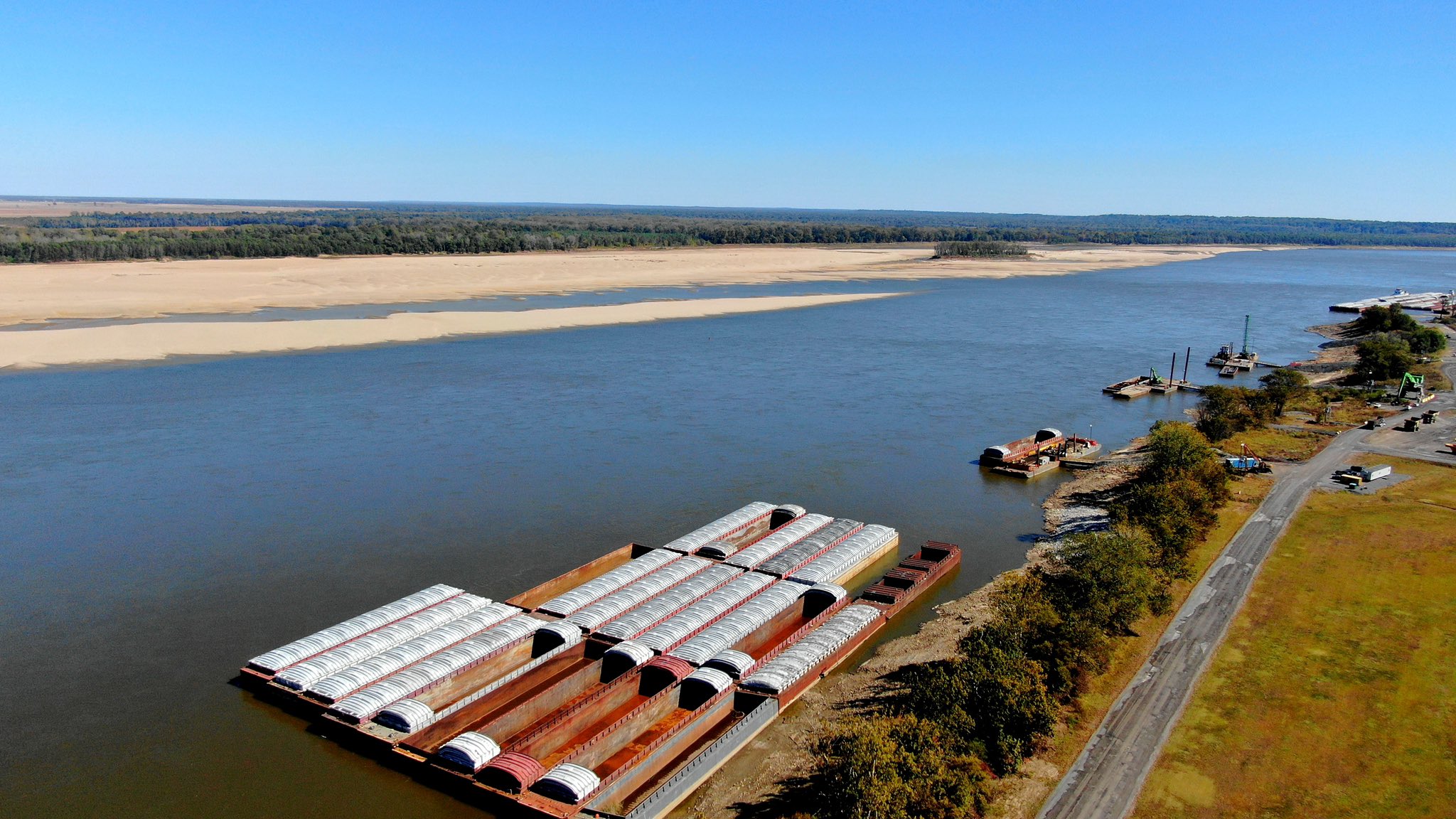
The United States is the world’s largest soybean producer and, for much of the 2010s, China was its most important customer. At the peak of bilateral trade, China purchased more than 60 percent of all U.S. soybean exports, representing a market worth approximately $12.8 billion per marketing year. For states like Iowa, Illinois, Minnesota, and Indiana — where soybean cultivation is the backbone of the rural economy — this export relationship underpinned a decade of investment, land expansion, and growth in farm-related industries.
The concentration of this dependency became a critical vulnerability in 2018, when the Trump administration imposed broad tariffs on Chinese goods as part of a wider trade dispute. China responded with targeted retaliatory measures, including a 25 percent tariff on U.S. soybeans — effectively pricing American producers out of the Chinese market overnight.
What happened: The numbers
| U.S. soybean exports to China (2017) | $12.8 billion per marketing year |
| U.S. soybean exports to China (2018/19) | $4.7 billion — a decline of 63% |
| Decline in export volume to China (2018 vs 2017) | 74% drop (from 31.7 MMT to 8.2 MMT) |
| Soybean stockpiles by early 2019 | Roughly double pre-tariff levels — all-time high |
| Planted acreage reduction (2019) | Down ~15% to the lowest in nearly a decade |
| Total annualized losses for U.S. soybean farmers | Estimated $9.4 billion (USDA) |
| Government trade aid disbursed | ~$8.5 billion under the Market Facilitation Program |
| Farm bankruptcies (Midwest, 2018–2019) | Rose more than 20% in Illinois, Missouri, Wisconsin |
Sources: American Soybean Association, 2025; Arxiv economic analysis, 2025; Georgetown Journal of International Affairs, 2022; USDA Economic Research Service
The spatial dimension: Not all states suffered equally
The impact was particularly severe in the Upper Midwest, where most soybean production had historically been exported to China via Pacific Northwest ports. In North Dakota, where approximately 70 percent of production was routed through Pacific ports, soybean exports from the West Coast fell by more than 70 percent in the second half of 2018 — with shipments destined for China declining by 94 percent over the same period.
The local price effect was immediate. By September 2018, the average bid for soybeans in Burke County, North Dakota, was more than $2 per bushel below the November futures price — nearly a full dollar lower than what local producers had been offered a year earlier, relative to futures. (Choices Magazine, 2019)
Local grain elevators and transport firms — particularly in river port communities — experienced sharp reductions in business. Farmers without adequate on-farm storage faced a difficult choice: sell at a loss or incur expensive storage costs while waiting for a resolution that was far from certain.
Government intervention: A costly safety net
The U.S. federal government responded with the Market Facilitation Program (MFP), disbursing approximately $8.5 billion to soybean producers over two years. However, the program faced significant criticism. A 2019 Senate Agriculture Committee report found that aid payments were poorly targeted — with a disproportionate share flowing to farmers in southern states, while the most affected communities in the North and Upper Midwest received less than their losses warranted. An Iowa State University analysis found that some states received more in MFP aid than they would have earned in profits from selling the tariffed product.
Even with this substantial government intervention, net farm income in high-soybean-dependent states fell significantly compared to lower-exposure states — a pattern confirmed by multiple econometric analyses.
The structural aftermath
The trade conflict exposed a longer-term structural vulnerability. China, recognising its dependence on a single supplier, accelerated a deliberate diversification strategy. The U.S. share of Chinese soybean imports fell from 49 percent in 2012 to 27 percent in 2024 — a structural shift that persists regardless of diplomatic developments. Brazil, the main beneficiary of Chinese demand redirection, has expanded its soybean cultivation significantly and now represents a permanent competitive threat to U.S. producers in the Chinese market.
As of early 2026, tensions have intensified again. Agricultural exports to China have declined sharply, with rural communities facing a familiar combination of falling prices, rising input costs, and uncertain export prospects. (CSIS, 2025; USDA ERS, 2026)
The key insight from the soybean case is not simply that tariffs are harmful — it is that extreme concentration in a single export market amplifies the impact of any disruption, whether geopolitical, climatic, or economic, to a degree that local communities cannot absorb on their own.
Case Study 2 — Forestry in British Columbia, Canada
THEME: COMMODITY CYCLES, STRUCTURAL DEPENDENCE, AND TRADE DISPUTE VULNERABILITY
Background
British Columbia’s forestry sector has been the province’s most significant manufacturing industry for over a century. Softwood lumber — primarily used in residential construction — has historically been the sector’s dominant product, with the United States representing the largest export market by far. This dependence on a single product and a single market has made the sector, and the rural communities built around it, highly sensitive to demand cycles and trade policy shifts.
The Canada-U.S. Softwood Lumber Dispute is one of the longest-running bilateral trade conflicts in North American history, spanning four decades and multiple rounds of litigation. At its core is a recurring U.S. allegation that Canadian stumpage fees — the prices companies pay to harvest timber on Crown land — constitute a government subsidy, giving Canadian producers an unfair competitive advantage. Canada disputes this characterisation. The practical result has been a series of countervailing and anti-dumping duties imposed on Canadian exports, creating a cycle of cost pressure, legal challenge, and negotiated agreements that has defined the sector’s operating environment.
What happened: The numbers
| Forestry as share of B.C. industrial GDP (2022) | 2.8% of total provincial GDP |
| Forestry share of employment in Quesnel, B.C. | 21% of total local employment |
| Forestry share of employment in Prince George, B.C. | 9% of total local employment |
| B.C. sawmill employment decline (May 2017–Nov 2025) | –32% (over 3,500 jobs) |
| B.C. allowable annual cut reduction (last 20 years) | Down by one-third |
| Harvest levels in B.C. (last 20 years) | Dropped by approximately half |
| Current U.S. tariffs on Canadian softwood lumber (2025) | Up to 45% combined duties |
| Cost increase for Canadian producers from 2025 tariffs | Estimated 25–30% |
| Number of sawmill closures or impacts in B.C. since 2017 | More than 30 |
| Estimated reduction in B.C. sawmilling capacity (since 2017) | ~35% |
Sources: RBC Economics, 2025; UBC Faculty of Forestry, 2025; Natural Resources Canada; Resource Works, 2024
The cascade effect: How mill closures ripple through communities
The forestry sector is not simply a collection of sawmills — it is an integrated value chain in which each stage depends on those upstream and downstream. Sawmills generate residual fibre (woodchips, sawdust, bark) that feeds pulp mills, paper manufacturers, and pellet producers. When a sawmill closes, it does not merely eliminate its own jobs — it removes the raw material supply that neighbouring industries depend on, triggering cascading closures and redundancies across the rural economy.
In communities like Quesnel and Prince George, where forestry accounts for a fifth or more of local employment, this cascade effect is deeply felt. Declining employment leads to population outflows, which reduce municipal tax revenues, which in turn constrain investment in schools, roads, and community services — accelerating a spiral of decline that is difficult to reverse.
The closures of Canfor’s Plateau mill at Vanderhoof and its Fort St. John operation in 2024 — affecting approximately 500 workers — are among the most recent illustrations of this dynamic. The company cited weak markets, limited timber supply, regulatory complexity, and punitive U.S. tariffs as compounding factors. (Resource Works, 2024)
Compounding pressures beyond trade
The trade dispute is only one of several structural stressors affecting B.C.’s forestry sector. Mountain pine beetle infestations over the past two decades devastated large areas of productive forest, dramatically reducing the available timber supply. Wildfires — increasingly severe due to climate change — have removed additional forest land from productive use. Regulatory reforms, Indigenous rights settlements, and conservation set-asides have further constrained the allowable annual cut. Taken together, these factors have made B.C. a high-cost jurisdiction relative to competing regions, particularly the U.S. South, where several major B.C.-headquartered companies have shifted their capital investment.
Diversification as a partial response
The sector’s value-added manufacturing segment has shown more resilience. Between 2018 and 2023, while traditional sawmill GDP fell sharply, the veneer, plywood, and engineered wood product subsector grew by 18 percent. Higher-value products — including cross-laminated timber and other engineered wood solutions — are increasingly competitive in international markets and less sensitive to the specific U.S. tariff structure that targets commodity softwood lumber.
This shift reflects a broader strategic lesson: diversifying both product lines and export destinations reduces vulnerability to any single market or regulatory environment. However, as industry analysts note, Canadian lumber is currently manufactured to North American grades and sizes, making diversification into Asian and European markets technically challenging and logistically expensive. (Softwood Lumber report, 2025)
British Columbia’s forestry case illustrates that commodity-dependent rural economies face a double vulnerability: they are exposed to global demand cycles they cannot control, and to trade disputes that can last decades. Diversification into value-added products is necessary but insufficient — it must be accompanied by market diversification and investment in the institutional capacity to navigate complex trade environments.

Case Study 3 — Ethiopia’s Coffee Economy and the Power of Cooperatives
THEME: SMALLHOLDER PRODUCERS, GLOBAL VALUE CHAINS, AND INSTITUTIONAL CAPACITY
Background
Ethiopia is the birthplace of coffee and one of the world’s most significant producers, with the crop accounting for approximately 30 percent of the country’s foreign exchange earnings. The vast majority of Ethiopian coffee is grown by smallholder farmers — typically cultivating less than two hectares — in the highland regions of Oromia, Sidama, and the South Ethiopian Region. An estimated 15 million Ethiopians depend on coffee for their livelihood either directly or indirectly.
For most of the sector’s history, these smallholder farmers occupied the weakest position in a long global value chain. Coffee passed through multiple layers of intermediaries — local traders, washing stations, national commodity exchanges, exporters — before reaching international buyers. At each stage, value was extracted, and farmers received a diminishing share of the final consumer price. Volatility in the global coffee commodity market — driven by production cycles in Brazil and Vietnam, speculative trading, and shifts in consumer demand — translated directly into income instability for millions of rural households.
The cooperative model: Oromia Coffee Farmers Cooperative Union
The Oromia Coffee Farmers Cooperative Union (OCFCU), established in 1999, has become one of the most studied and replicated examples of smallholder agricultural organisation in sub-Saharan Africa. Founded with 34 member cooperatives and approximately 22,000 members and US$90,000 in initial capital, it has grown into a major institutional force in Ethiopia’s coffee sector.
| Year established | 1999 |
| Current member cooperatives | 217 (as of latest available data) |
| Total farmer members | 202,397 (including 22,302 female farmers) |
| Total coffee land area | 506,971 hectares |
| Annual production | 329,825 tons |
| Net revenue increase since Fairtrade certification (2011) | +84% |
| Schools built with Fairtrade Premium | 15 schools, 42 additional classrooms |
| Fairtrade certification | 2002 — second largest Fairtrade coffee exporter globally |
| Cooperative Bank of Oromia | Co-founded 2006; OCFCU is largest shareholder |
| Share of profits returned to farmers | 70% of net profits returned to cooperatives |
Sources: Fairtrade International — OCFCU; Fairtrade Africa; Oromia Coffee Farmers Cooperative Union — Wikipedia
How the cooperative model changes the terms of trade
The OCFCU’s central innovation was not simply aggregating volume — it was changing the institutional position of smallholder farmers within the global value chain. By building direct export relationships with international buyers, the union eliminated multiple layers of intermediaries, allowing a significantly higher proportion of the export price to flow back to member farmers. By pursuing Fairtrade and organic certification, it gained access to premium market segments where buyers compete on quality rather than price alone.
The cooperative also addressed the financial vulnerability that made price volatility so destructive for individual farmers. Through its co-founding of the Cooperative Bank of Oromia in 2006, the union gave member cooperatives access to credit on terms far more favourable than informal lenders — enabling them to purchase members’ coffee promptly after harvest rather than forcing farmers to sell at distressed prices to meet immediate cash needs.
Sector-level reforms and their impact
Beyond the OCFCU, Ethiopia’s coffee sector has undergone significant institutional reform in recent years. Policy changes have allowed farmers with two or more hectares to export directly, shortening the value chain and enabling producers to capture a larger share of export value. A shift from a fixed to a market-based exchange rate system has further improved the competitiveness of Ethiopian coffee exports.
The results at the sector level are striking: the share of export price received by Ethiopian coffee farmers has doubled over a five-year period, rising from 40 percent to 80 percent, according to the Ethiopian Coffee and Tea Authority. In the 2023/24 marketing year, Ethiopia’s total coffee exports reached a record 5.63 million 60-kilogram bags, generating $1.55 billion in export revenue. (USDA Foreign Agricultural Service, 2025)
Ongoing challenges
The Ethiopian coffee sector’s progress is real, but so are its remaining vulnerabilities. Global coffee prices remain volatile — driven by climate shocks in Brazil, currency movements, and speculative trading on commodity markets. Between 10 and 20 percent of Ethiopian coffee farmers are currently cooperative members, meaning the majority still lack access to the institutional protections and market linkages that cooperatives provide. Domestic demand for export-quality coffee has also created tensions, with an estimated 394 coffee export contracts terminated between October 2022 and April 2023 as exporters diverted supply to the more immediately profitable domestic market.
Climate change presents a further structural threat. Coffee cultivation is highly sensitive to temperature and rainfall patterns, and projections suggest that large areas of current production zones may become unsuitable within decades. The investments needed to adapt — in different varieties, shade management, and geographic redistribution of cultivation — require institutional capacity and financial resources that many smallholder farmers do not yet have access to.
Ethiopia’s coffee cooperatives demonstrate that integration into global value chains can be transformative for rural smallholders — but only when accompanied by the right institutional architecture. Market access alone is insufficient; what matters equally is the organisational capacity to negotiate terms, manage risk, and invest in quality. The OCFCU’s story shows what is possible when those conditions are met.

Case Study 4 — Germany’s Mittelstand: Rural Manufacturing and Global Competitiveness
THEME: SPECIALISATION, INSTITUTIONAL ECOSYSTEMS, AND SUSTAINED RURAL PROSPERITY
Background
Germany’s Mittelstand — a term that encompasses small and medium-sized enterprises but carries connotations of a particular business culture and economic philosophy — is one of the most studied economic models in the world. Unlike the rural economies examined in the other case studies, the Mittelstand is not primarily a story of vulnerability or disruption. It is, rather, a story of how rural and semi-rural regions can achieve sustained global competitiveness through specialisation, institutional investment, and a long-term orientation that resists short-term market pressures.
Mittelstand firms are concentrated not only in Germany’s major urban centres but throughout its rural and semi-rural regions — from Bavaria and Baden-Württemberg in the south to Lower Saxony in the north. Many of these companies are multi-generational family businesses, deeply embedded in their local communities, whose competitive advantage lies not in scale but in depth of expertise in narrowly defined niches.
Scale and economic significance
| Share of all German businesses classified as SMEs | 99.3% (approx. 3.44 million firms) |
| Employees working in SMEs (2024) | Approx. 33 million — record high |
| Share of total German employment in SMEs | 53.1% |
| Share of apprenticeships in SMEs | 75–82% of all German apprenticeships |
| SME share of total German export turnover | 20.1% (€227.1 billion in 2023) |
| Share of German exporters that are SMEs | 96.9% |
| Number of ‘hidden champions’ worldwide | ~3,400 — nearly 1,600 from Germany |
| SME share of German R&D spending | 35% |
| Share of innovative SMEs bringing new products to market | 42% — well above EU average of 30% |
Sources: Deutschland.de — German SMEs: Facts and figures; Institut für Mittelstandsforschung Bonn; Federal Ministry for Economic Affairs; meinbavaria, 2025
The ‘hidden champions’ concept
The concept of the ‘hidden champion’ — coined by management scholar Hermann Simon — captures the defining character of many rural Mittelstand firms. These are companies that are global market leaders in highly specialised niches that most people have never heard of: manufacturers of the precision ball bearings that go into wind turbines, the specialised pumps used in pharmaceutical production, the custom machinery that forms the backbone of a particular industrial process.
Germany is home to approximately 1,600 of the world’s roughly 3,400 hidden champions — a disproportionate concentration that reflects the depth of Germany’s manufacturing ecosystem. Crucially, many of these companies are based not in major cities but in smaller towns and rural districts, where they often represent the largest local employer and anchor the surrounding economy.
The institutional ecosystem: Why the model works
The success of the Mittelstand is not accidental, nor is it primarily the result of individual entrepreneurial genius. It is the product of a dense institutional ecosystem that has been built and maintained over decades:
- The dual vocational education system, in which firms co-invest with the state in apprenticeship training, provides a steady pipeline of skilled workers aligned with the specific technical requirements of manufacturing firms. Approximately 82 percent of German apprentices are trained within SMEs.
- Germany’s Fraunhofer Institutes and other applied research organisations give SMEs access to cutting-edge R&D capacity that most could not afford to develop independently. This public-private knowledge infrastructure is particularly valuable for firms in specialised manufacturing niches.
- The Hausbank relationship — the long-standing connection between Mittelstand firms and regional savings banks (Sparkassen) and cooperative banks (Volksbanken) — provides stable, patient capital that prioritises long-term business relationships over short-term returns. This financing structure is unusual by international standards and significantly reduces the pressure for short-termism in business decisions.
- Germany’s membership in the European Union provides Mittelstand exporters with access to the world’s largest single market under a common regulatory framework — reducing the compliance burden that would otherwise make exporting prohibitively complex for small firms.
The rural embeddedness advantage
A defining characteristic of successful Mittelstand firms is their deliberate rootedness in their local communities. Rather than chasing lower labour costs by relocating production, many of these companies have invested in the skills and loyalty of their local workforce over generations. This creates a form of organisational knowledge — accumulated experience and tacit expertise — that is genuinely difficult to replicate or relocate.
This local embeddedness also creates a mutually reinforcing relationship between firms and their communities. Successful Mittelstand companies fund local cultural institutions, sponsor apprenticeship programmes, and participate in local governance. In return, communities invest in the infrastructure and education systems that make these firms competitive. The result is a form of shared prosperity that is more resilient than models in which firms and communities are in a purely transactional relationship.
Current challenges and structural pressures
The Mittelstand model is not without its challenges. Germany’s broader economic difficulties — including two consecutive years of economic contraction in 2023 and 2024, energy price shocks following the invasion of Ukraine, a growing skills shortage, and concerns about digital transformation — have created headwinds for many Mittelstand firms. The German Economic Institute notes that growth has effectively stalled since the COVID-19 pandemic, and that bureaucratic complexity and inadequate infrastructure investment are eroding the competitive conditions that have historically underpinned the model’s success.
Nevertheless, the employment base remains historically strong — with approximately 33 million SME employees as of 2024, a record high — and the model’s underlying logic of specialisation, quality, and institutional depth continues to provide a competitive foundation that is difficult for lower-cost competitors to replicate. (KfW, 2025)
The Mittelstand case study offers a fundamentally different lesson from the other three cases in this series. Rather than illustrating the risks of global trade, it demonstrates what becomes possible when rural regions develop deep institutional ecosystems — vocational education aligned with industry needs, patient capital, applied research partnerships, and stable trade frameworks — that allow specialised firms to compete globally while remaining embedded in their communities. The model is not easily transplanted, but its underlying principles are instructive for any rural economy seeking a path beyond commodity dependence.
Cross-Cutting Themes
Taken together, these four case studies reveal several recurring themes that transcend the specifics of any single country or sector.
1. Concentration of market exposure amplifies risk
Both the U.S. soybean case and the B.C. forestry case illustrate that the degree of concentration — in a single product, a single market, or a single buyer — is the primary determinant of how severely a community is affected by external shocks. Diversification, both within and across sectors, is the most reliable structural mitigation.
2. Institutional capacity determines adaptive capacity
The Ethiopian cooperative case and the German Mittelstand case both demonstrate that market access, on its own, is insufficient to generate equitable and resilient rural development. What determines outcomes is the institutional capacity to negotiate terms, invest in quality, build relationships, and manage risk over time. Building that capacity — through cooperatives, vocational training systems, research partnerships, and governance structures — is as important as market access itself.
3. Value addition shifts the terms of engagement
Across all four cases, the communities and firms that fare best are those that have moved furthest from raw commodity production toward value-added activities. Ethiopian cooperatives that access specialty coffee markets earn significantly more than those selling commodity green beans. British Columbian firms that produce engineered wood products are more resilient than those producing standard dimension lumber. German hidden champions that occupy defensible niches are more stable than generic manufacturers. The consistent lesson: value addition changes the competitive dynamic.
4. Policy frameworks shape the playing field
None of these outcomes are simply the result of market forces. U.S. soybean farmers’ vulnerability was shaped by the absence of export market diversification policies over decades. B.C. forestry communities’ precarity was deepened by a trade dispute that required national-level diplomatic resolution beyond any individual firm’s reach. Ethiopia’s cooperative success was enabled by supportive institutional reform. Germany’s Mittelstand thrives within an ecosystem of policies — vocational education, research institutions, banking relationships, and single market access — that have been deliberately constructed and maintained. Policy choices, at every level of governance, are fundamental to rural economic outcomes.
Key Sources and Further Reading on the Case Studies
The following sources formed the primary evidentiary basis for these case studies. All links were verified at time of writing.
Case Study 1 — U.S. Soybeans
American Soybean Association: Soybeans Without a Buyer (2025)
Arxiv: Economic Impact of China’s Retaliatory Soybean Tariff (2025)
CSIS: When a Trade War Becomes a Food Fight (2025)
Georgetown Journal of International Affairs: Policies and Politics (2022)
Choices Magazine: Tariff Retaliation Weakened the U.S. Soybean Basis
USDA Economic Research Service: Economic Impacts of Retaliatory Tariffs
Case Study 2 — B.C. Forestry
RBC Economics: Decades of trade disputes reshape Canada’s softwood lumber sector (2025)
UBC Faculty of Forestry: What 45% tariffs mean for B.C.’s forest sector (2025)
Natural Resources Canada: How does the forest sector contribute to Canada’s economy?
Job Bank Canada: British Columbia Sector Profile — Forestry
Resource Works: B.C. forestry industry battered again (2024)
AJOT: Canada’s lumber industry at a crossroads (2025)
Case Study 3 — Ethiopian Coffee
Fairtrade International: Oromia Coffee Farmers Cooperative Union
Fairtrade Africa: OCFCU Profile
Wikipedia: Oromia Coffee Farmers Cooperative Union
USDA FAS: Ethiopia Coffee Annual 2025
Solidaridad Network: The Grounds for Sharing — Ethiopia (2024)
Case Study 4 — German Mittelstand
Deutschland.de: German SMEs — Facts and Figures
Institut für Mittelstandsforschung Bonn: Macro-Economic Significance of SMEs
Federal Ministry for Economic Affairs: The German Mittelstand
meinbavaria KfW: Germany’s Mittelstand hits record employment (2025)
German Economic Institute: How strong is the large SME sector in Germany? (2024)
OECD: Financing SME Growth in Germany (2024)

Conclusion – Small Places in a Global Economy
Rural economies today are no longer shaped solely by local conditions. They are part of a deeply interconnected global system — one in which distant markets, policy decisions, and supply chains influence even the most remote communities.
As the cases we explored today demonstrate, global trade is neither inherently beneficial nor inherently harmful. It is a force that amplifies existing conditions. Where rural economies are diversified, connected, and adaptive, trade can drive growth, innovation, and resilience. Where they are narrowly specialized and structurally constrained, it can intensify volatility and accelerate decline.
This distinction is critical for policymakers and local leaders. The goal is not to retreat from global markets, but to engage with them more strategically — capturing value, managing risk, and building the capacity to adapt over time. That means investing in people, in infrastructure, and in institutions. It means supporting diversification and value creation. And it means aligning local development strategies with the realities of a global economy.
In the end, the future of rural communities will not be determined solely by global forces, but by how effectively they respond to them. Small places are not peripheral to the global economy — they are part of its foundation. Their success depends on the ability to act not as passive recipients of global trade, but as strategic participants within it.

Read More: Exploring Global Trade and Rural Development
For readers interested in going deeper into the relationship between global trade and rural economic development, here are some books, reports, and articles which may provide valuable insights and real-world analysis. Let us know if you have other useful links.
Books
- Good Economics for Hard Times by Abhijit Banerjee & Esther Duflo (PublicAffairs, 2019)
Offers evidence-based perspectives on trade, inequality, and development, with relevance for rural and regional policy. - The Travels of a T-Shirt in the Global Economy: An Economist Examines the Markets, Power, and Politics of World Trade, 2nd edition by Pietra Rivoli (Wiley 2014)
A compelling narrative that traces a single product through global supply chains, illustrating how trade connects local production to global markets. - Why Nations Fail by Daron Acemoglu & James A. Robinson (Crown Currency, 2012)
Explores how institutions shape economic outcomes—highly relevant for understanding why some rural regions benefit from trade while others do not. - The Bottom Billion: Why the Poorest Countries are Failing and What Can Be Done About It by Paul Collier (Oxford University Press, 2007)
Examines the structural challenges facing the world’s poorest economies, including dependence on primary commodities. - The Nature of Economies by Jane Jacobs (Random House Canada, 2000)
- Cities and the Wealth of Nations: Principles of Economic Life by Jane Jacobs (Random House, 1984)
- The Economy of Cities by Jane Jacobs (Vintage / Ebury, 1970)
Reports & Policy Resources
- OECD – Rural Development
In-depth analysis of rural policy, regional productivity, and global economic integration. - World Bank – Trade Policy
Data-driven insights into how trade affects development, including rural livelihoods and value chains. - FAO – Markets and Trade
Focuses on global agricultural systems and their implications for rural producers. - European Commission – Rural Development Policy (CAP)
Key resource for understanding how policy frameworks support rural economies within global markets.
Articles & Thought Leadership
- Brookings Institution Tariffs and Trade – Research on global trade and economic resilience from leading nonpartisan research and policy advisors.
- International Food Policy Research Institute – Work on agricultural markets, food systems, and rural transformation
- World Economic Forum – Insights on global supply chains and the future of trade
How to Use These Resources
Together, these sources reinforce a central message: global trade is not a standalone driver of rural prosperity. Its impact depends on institutions, policy choices, and the capacity of communities to adapt and innovate.
For rural planners and policymakers, the challenge is not just to understand global trade—but to actively shape how their communities engage with it.
More from JCShepard(dot)com
In April, we will be looking at Community Facilities, including historic sties and education, as part of the Comprehensive Plan process. I will also be participating in the American Planning Association’s annual National Planning Conference. This year #NPC26 is in Detroit, Michigan.
Our February 2026 series on Demographics and Rural Housing:
- Demography is Destiny… Except When It Isn’t (1 February 2026)
- Who Can Afford to Live Rural? Global Pressures on Small-Town Housing Markets (8 Feb 2026)
- Rural Housing Supply Crisis: Why Small Towns Are Running Out of Homes (15 Feb 2026)
- Rural Housing Futures: Policy Tools for Livable Small Towns (22 Feb 2026)
Our August 2025 series on Rural Development:
- Rethinking the Rural Economy: New Paths, New Possibilities for Growth
- Business Retention in Small Towns: The Quiet Powerhouse of Rural Job Growth
- From Main Street to the World: Rural Entrepreneurship in Action
- The Rural Comeback: How Small Town Innovation Sparks Growth
- The Canadian Perspective on Rural Resilience
2026: Bring Your Plans to Life – Monthly Themes Preview
RuralStrong Podcast (Season 1 Episode 36)
Now playing on Youtube (audio), Spotify, and Apple Podcasts (February 2026). Transcription on the blog here.
Rural-Ready Engagement: Practical Tools for Small Town Planners
 Watch the full replay: youtube.com/@Engaging-Communities (February 2026)
Community engagement can look very different in small towns and rural communities. This webcast was co-sponsored by the APA Community Engagement Interest Group and the Small Town & Rural Planning Division.
Popular posts on JCShepard.com
- Reviving Rural America: Why Heritage Tourism Is a Game-Changer Now (September 2025)
- How Small Towns Succeed: A Proven Playbook for Rural Action (November 2025)
- The Rural Comeback: How Small Town Innovation Sparks Growth (August 2025)
- How Small Towns Can Build a Strong Outdoor Economy Without Selling Out (June 2025)
Check out The 12 Planning & Sustainability Books You Need in 2026 and browse through the Small Town & Rural Community guides on our Resources page.
(As an Amazon Associate, we may earn commissions from qualifying purchases. Check your local library or bookshop, too.)