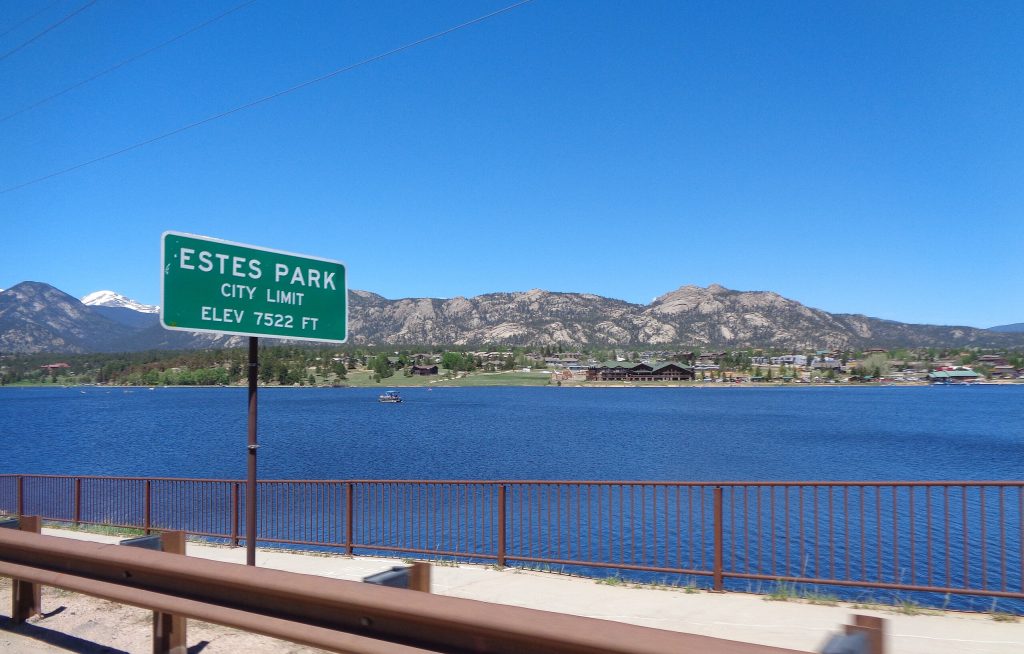
As a gateway community to Rocky Mountain National Park, Estes Park, Colorado—alongside Grand Lake on the park’s west side—faces growing concern about the outdoor economy and the effects of recent changes in federal policy. This Larimer County town of about 5,900 year-round residents mirrors challenges seen in gateway communities across the nation. Meg Carney, outdoor and environmental writer, author of Outdoor Minimalist: Waste Less Hiking, Camping, and Backpacking, and host of the Outdoor Minimalist podcast, recently posed the question: “Will communities like Estes Park be able to weather the storm?”
In 2024, Rocky Mountain National Park saw an estimated 4.2 million visitors, placing it among the top five most visited national parks in the country. Crowding is highest from June through September, but the trend is toward visitors distributing their trips more evenly throughout the year, with spring and fall visitation rising. Tourists spent approximately $568.5 million in 2023, which was nearly double the amount seen prior to the pandemic.
In August alone this year, Carney reports, the park saw over 678,000 visitors compared to about 626,000 last year. Rocky Mountain National Park now requires visitor reservations—a seasonal timed-entry system instituted to help manage record-breaking visitation and reduce overcrowding. Local businesses report concerns about lost revenue and customer frustration, especially among Estes Park retail and hospitality operators whose clients sometimes cannot get access to the park.
“Without our park operating it would devastate the economy for our town,” stated Melissa Strong, owner of Bird & Jim Restaurant and Bird’s Nest Cafe. “From hospitality to lodging, the people that live here year-round work in all these industries. So they would not be able to sustain living. It’s a symbiotic relationship.”
The Outdoor Economy and Resilience of the Gateway Community
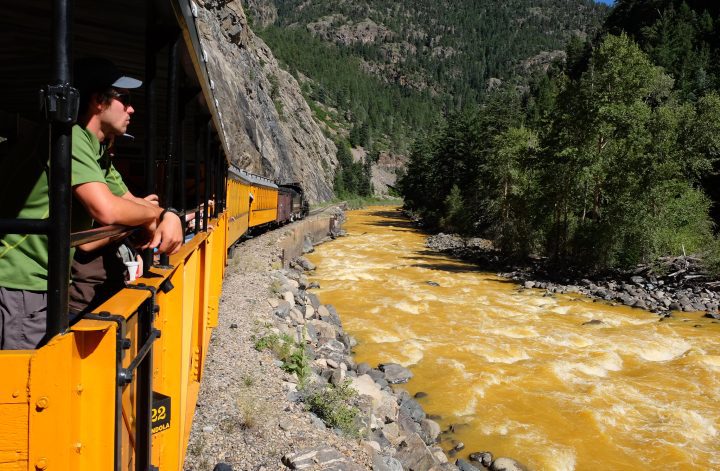
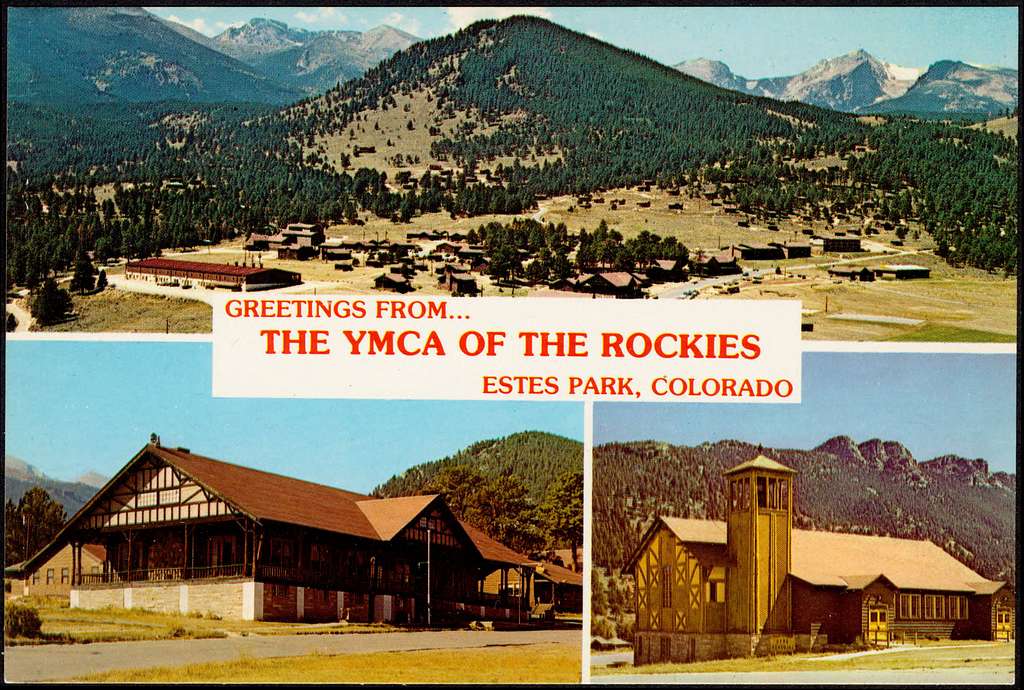
Gateway communities such as Estes Park; Moab, Utah; and Durango, Colorado; have ridden waves of tourism-driven economic growth but must grapple with long-term concerns with housing affordability, workforce shortages, and market instability—echoing Carney’s interviews with local business owners and guides expressing similar worries about sustaining community well-being as outside pressures mount. Federal policy changes now have amplified economic uncertainty in these small towns. Rural and gateway communities can’t rely on visitor numbers alone for resilience; diversified local economies and intentional planning are needed for long-term sustainability.
On this blog, I have tried to address challenges faced by gateway towns: increased visitation often boosts local revenue, but may also hike up housing costs, strain infrastructure, and shift the economic balance away from year-round residents. We have highlighted tensions between promoting outdoor recreation and protecting local livability—directly aligning with the podcast’s themes about balancing economic gains from public lands tourism with everyday realities for local workers and families. Meg brings a direct perspective, letting people living and working in the community tell their own diverse stories.
Thomas Pemberton, a local tour guide, doesn’t think the Federal budget cuts are necessarily all bad. “If anything, I feel like a lot of the parks become more efficient.” Reed Woodford, a climbing guide, relates “A lot of it seems like the cruelty is the point. Maybe… Unnecessary stress on people who have committed to a service job where the people they’re serving are the American people.” Woodford continues, “People in their 20s and early 30s are struggling more than other previous generations at that age because there just not as many job opportunities. And so, we’re really kicking people down that are already kind of struggling.”
Heritage, Identity, and Civic Pride
Over the summer, we have discussed the role of heritage tourism and cultural identity as foundation stones for sustainable rural development, arguing that prosperity and community pride grow when towns celebrate and share what makes them unique—not just when maximizing visitor counts. Similarly, the podcast episode underlines the importance of protecting sense of place and supporting local stewardship in adapting to new challenges in mountain economies.
Carney reports that many mountain towns give the appearance of “business as usual”. However, economic pressures beyond federal budget cuts are adding to underlying uncertainty and stress.
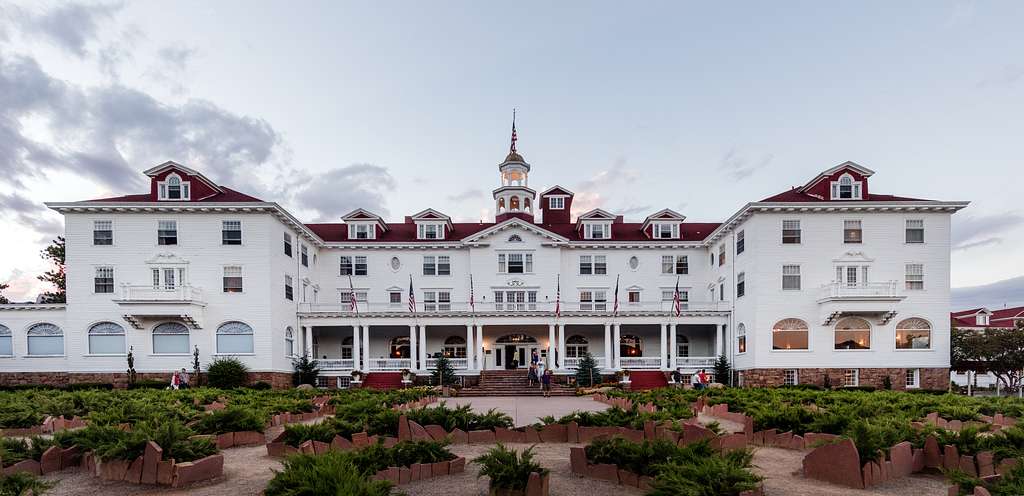
The podcast emphasizes prioritizing local businesses and social capital. We’ve often noted rural economic resilience is most robust where entrepreneurship, locally owned retail, and direct visitor spending are fostered instead of focusing solely on extraction or big-box growth. While Meg doesn’t visit the fabled Stanley Hotel, the historic facility (and setting for the movie The Shining) is a major heritage tourism draw on its own. The podcast highlights visitor support of small, resident-owned businesses in Estes Park, mirrors this blog’s “shop local” campaigns and investment in community-driven enterprises as antidotes to uncertainty.
Check out last week’s “What Happened With Public Lands This Week?” podcast. If you are at all interested in public lands, environmental issues, and the Outdoor Economy, or just the Great Outdoors in general, follow Meg Carney’s writing and podcast. She lives what she writes.
Featured Guests:
Melissa Strong – Climber and Owner of Bird & Jim Restaurant & Bird’s Nest Cafe
Thomas Pemberton – Owner of Estes Park Tour Guides
Reed Woodford – Owner of KMAC Guides
KMAC Guides: https://kmacguides.com/
Estes Park Tour Guides: https://estesparktourguides.com/
Bird & Jim: https://www.birdandjim.com/
Visit Estes Park: https://www.visitestespark.com/
Listen, watch, or read more on Outdoor Minimalist:
Podcast Website: www.theoutdoorminimalist.com
Instagram: outdoor.minimalist.book
YouTube: @theoutdoorminimalist