
Diary of Orrin Brown, Jackson, Michigan
Wednesday–Oct. 12th
It is a little cooler this morning I wrote a letter to Lant this morning we left the barracks for Jackson about Noon arriving there about 4PM we cheered for Old Abe all the way and were as noisy about it as we know how to be we were marched around camp a little and were left at Barracks No.12 Camp Draft found the boys there all right we got supper and went to bed we had some straw in the bunks.
The population of Michigan in 1860 was about 750,000 people. In 1864, there were about 5,000 residents in Jackson, mid-way between Benton Harbor and Detroit. The town was a bustling and rapidly developing industrial city with a prominent role in the Civil War and national politics. It was well known as the birthplace of the Republican Party—formed there in 1854 at the “Under the Oaks” meeting—and was deeply involved in the abolitionist movement and the Underground Railroad, serving as a stop for freedom seekers escaping slavery.
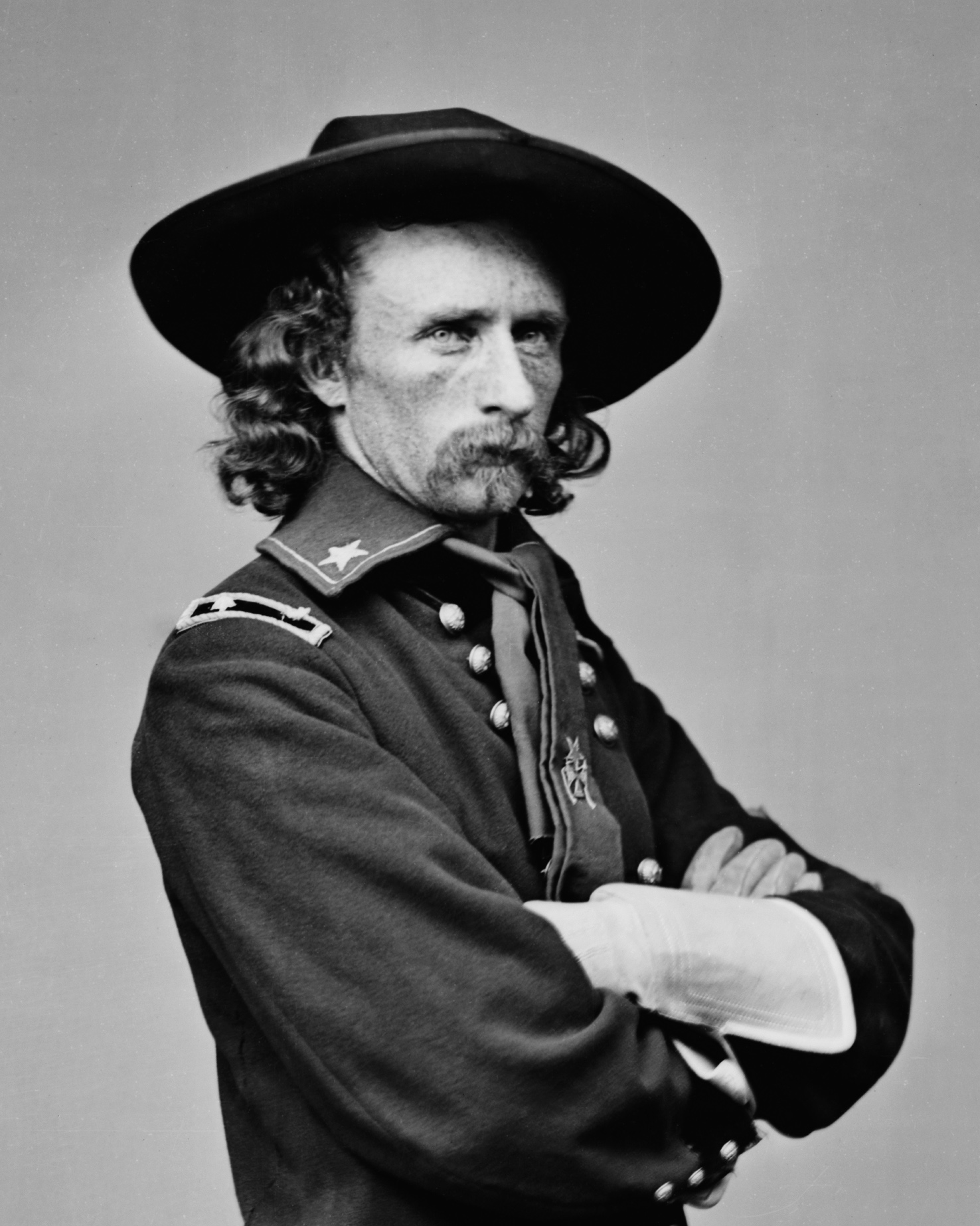
More than 90,000 men from Michigan served in the Civil War, including George Armstrong Custer who grew up in Monroe, Michigan, between Detroit and Toledo, Ohio. Custer entered the US Military Academy at West Point in 1858, and was graduated a year early after outbreak of the War, last in his class of 34 cadets. He stayed in the army after the war, serving on the Great Plains in Kansas and Dakota Territory before his demise in Montana. While there were many boys in blue from the Great Lake State, Custer rose the highest and fell the farthest I would say.
Read More:
- Glorious war: the Civil War adventures of George Armstrong Custer by Thom Hatch (Griffin, 2015)
- “Boots and Saddles”; Or, Life in Dakota with General Custer by Elizabeth Bacon Custer
- Michigan and the Civil War: A Great and Bloody Sacrifice (Civil War Series) by Jack Dempsey (The History Press, 2011)
(As an Amazon Associate, we may earn commissions from qualifying purchases. Check your local library or bookshop, too.)
.