
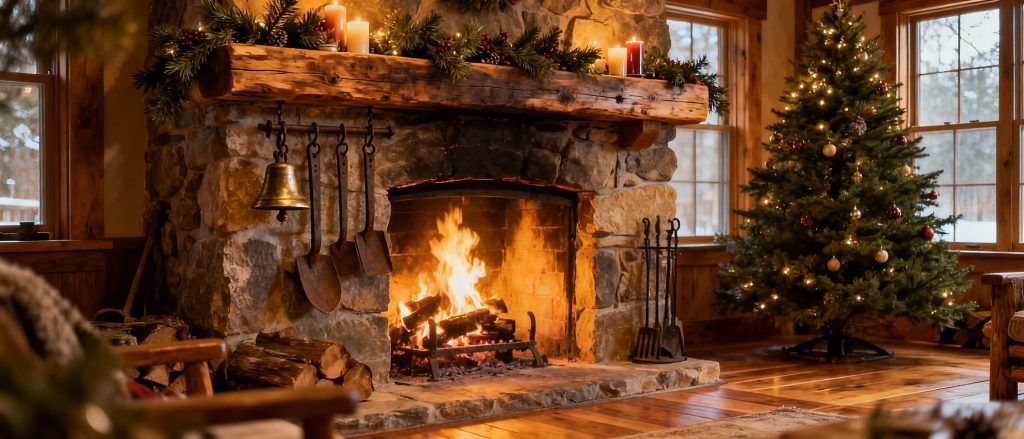
I am going home for the holidays, so I’m feeling a bit more philosophical than usual.
We are driving up to Minnesota to spend Thanksgiving with my dad—wherever Dad is, that is home. Home is also the farm in Michigan which my mother’s family homesteaded, and now the cemetery where she rests.
Home is also in North Dakota, where I grew up, and in Montana, where my wife grew up, as well as in Colorado, where we were married. Sometimes home is Illinois, where I went to college.
Home is now Nebraska, where we live, out in the country on a gravel road with cows and corn fields on rolling prairie and winding streams.
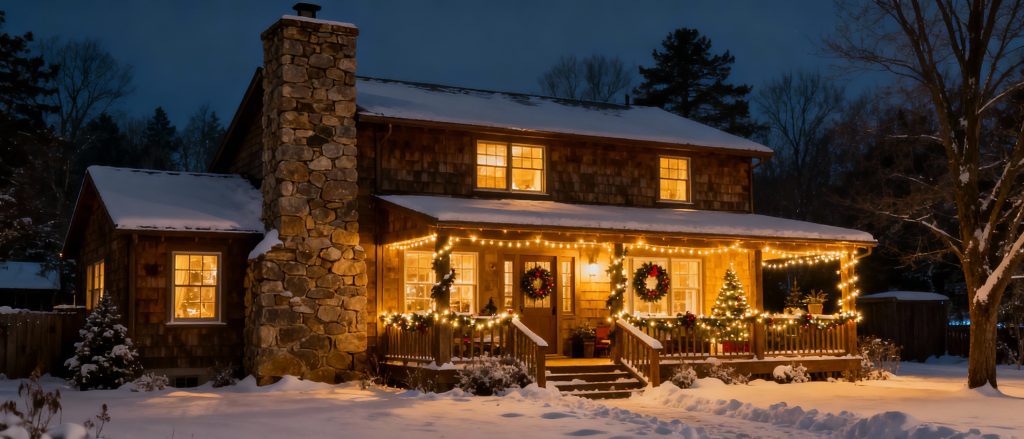
Shelter and Place
Home is both a physical shelter and a deeply emotional, relational experience of safety, memory, and belonging. It is a place, for certain—those who think about these things argue that “dwelling” is more than shelters; it is the everyday living, resting, and recovering which makes a structure feel lake a sanctuary rather than just a roof over your head.
Objects and routines in the home—photographs, heirlooms, a favorite chair, a regular route from kitchen to back door—help us tell a story about who we are and where we come from. In this sense, home is autobiographical, a material archive of our personal and family history. The communities where my parents grew up, where my grandparents lived, are as much home to me as the places I myself grew up. They are part of who I am as a person.
Culture of Place
The concepts of “home” and “community” as place are shaped by cultural histories, values, and lived experiences. As observers such as Colin Woodard (author of the new book Nations Apart: How Clashing Regional Cultures Shattered America) have noted the original settlement patterns of different cultural groups continue to influence regional culture across North America. Other regions are influenced, as well, by cultural traditions and migration.
- In areas of Northern European influence, like the American Midwest, “home” often represents privacy and an individual sanctuary, emphasizing order, control, and personal expression. Community is found in formal associations and neighborhoods.
- In contrast, Mediterranean and many Asian cultures view home as fundamentally tied to family, multi-generational relationships, and collective responsibility. Home extends beyond the house, encompassing oblications to family and shared traditions. Community may be found in streets and squares, or in shared meals and experiences.
- In many nomadic or Indigenous cultures, home may be more about connection to the land and ancestral lineages, than ties to a fixed dwelling. Land is often held communally with kinship bonds for mutual support.

Place and Belong
The way people define and experience home directly shapes the design of towns and cities, neighborhood vitality, and the long-term success of development strategies. It’s not enough to just design beautiful places, though it helps.
Successful communities foster a strong sense of place. This includes the emotional bonds we form—often called “place attachment”—which stems from memories, routines, and relationships built over time. People experience places, one reason planners and community leaders need to get out and actually experience how people live in the place they call “home”.
Home is also tied to community stability as well as identify. Residents’ sense of home can help anchor population and support local culture, especially during periods of economic change or social upheaval.
Home and Community as Legacy
Those of us who live in small towns and rural places tend to think about home differently than folks in the big city or suburbs. Where metro areas have many different if mass-produced dwellings and places to chose from, we may have grown up and stayed in the same home where we were born, or may have had to learn to love the home available when we needed a place to live.
What we have is a strong tradition of legacy. We may live on a century-farm or in a double-wide on wheels (or both). Yet we more often than not living there intentionaly. We love our farms and fields and wide-open spaces, as well as our small towns which are almost always more walkable than any big city. We know our neighbors, and everybody of all ages is welcome at the local high school ballgame to cheer on the home team.
What does this idea mean for small town leaders?
When you’re wherever you find yourself over the holiday season, step back and observe from the perspective of a newcomer. Would they feel welcome? Would they feel at home?
Think about how your local residents with different cultural backgrounds experience home and community differently. How can you learn from neighbors who bring new and interesting expectations to your community?
Then come back in the New Year and get to back to work. Build houses, yes, but also build homes.
Cross-posted at Medium.com.
.
