
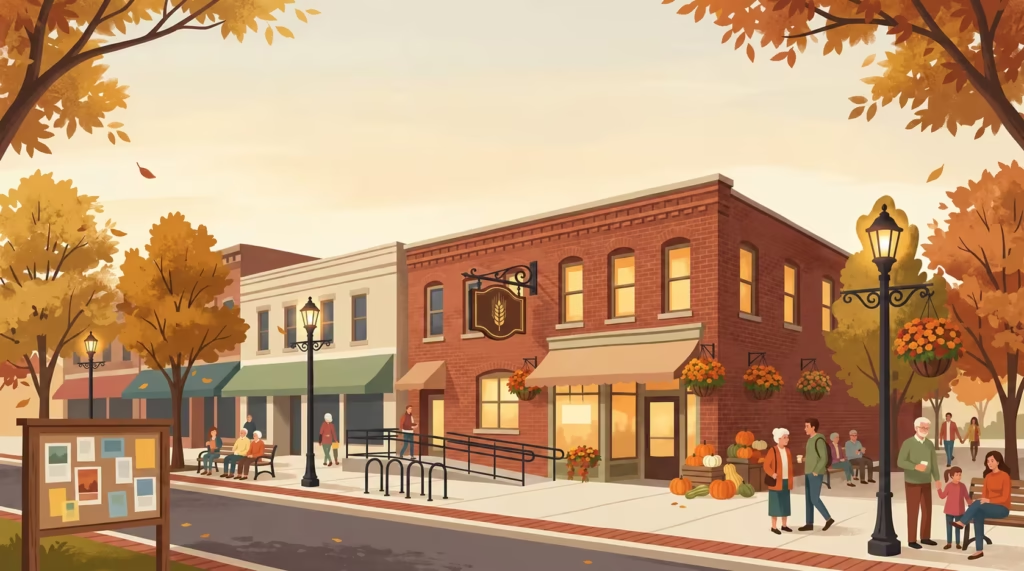
Last week we looked behind the easy answers when we talk about what it means for a community to be a “success”. What do people really mean when we talk about more people, more jobs, more tax revenue? What are broader measurements for indicators of success?
I talked about some of these ideas with the Inland Northwest Partners this summer, and how we can do a better job measuring success on Main Street.
Design Indicators
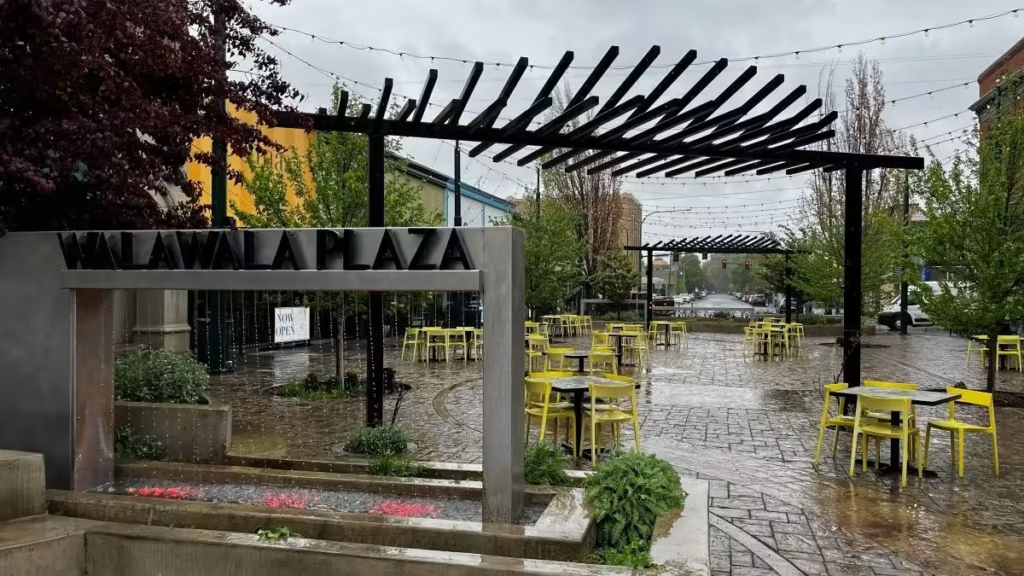
Design indicators ask whether the physical environment is improving in visible, usable, durable ways. How about new listings on the National Register of Historic Places, or storefront rehabilitations and accessibility improvements to building and sidewalks? A useful measure may be new third places like plazas and cafes, historic-style signage, or dark-sky compliant lighting.
These indicators matter because they show whether downtown is becoming more welcoming, more functional, and more legible as a place. People may not use the phrase ‘design indicators,’ but they notice immediately when the physical setting starts to communicate care, usability, and identity. Some of these measure are quantitative, but most are qualitative—we know them when we see them.
Organization Indicators
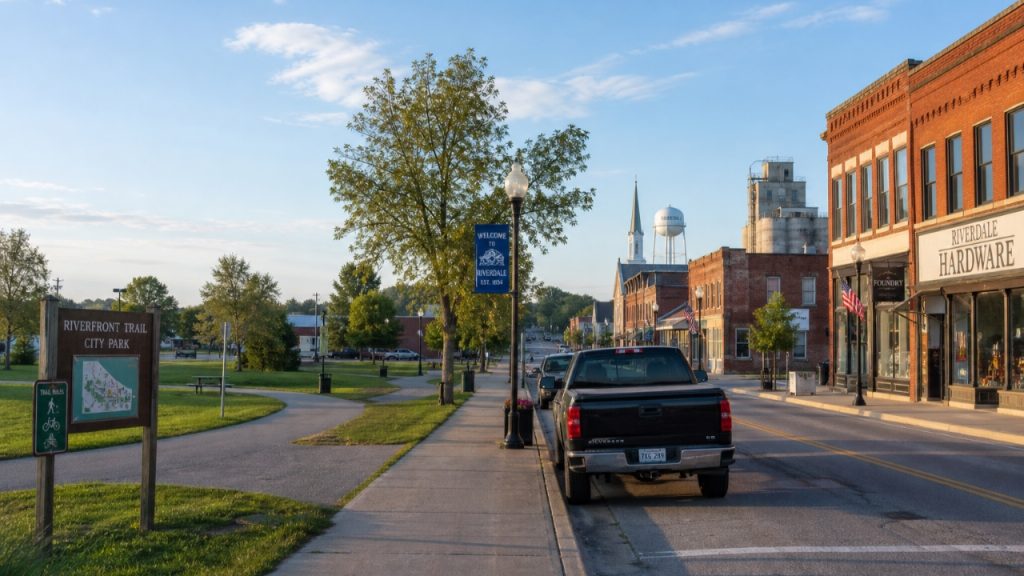
Organization indicators tell us something about civic capacity. These may show up in new leadership stepping up, broad community engagement, cross-sector partnerships, workforce development, zoning reform and timely development review, and customer satisfaction.
This is a part that often goes undercounted, as these are not easy to measure. But if there is no local capacity, no coordination, no ability to bring people together, even strong ideas have trouble becoming reality. Organization is the connective tissue of our work.

Promotion Indicators
Promotion indicators cover the story we tell about ourselves: marketing campaigns, events, experiences, tourism (e.g. heritage tourism & agri-tourism), communications and storytelling, and even buy-local efforts.
I’m not a marketing guy. But promotion is part of how people recognize what the community has to offer; and how they choose local instead of running to the Big Box down the highway. It helps turn a collection of assets into a shared civic image.
Economic Vitality Indicators
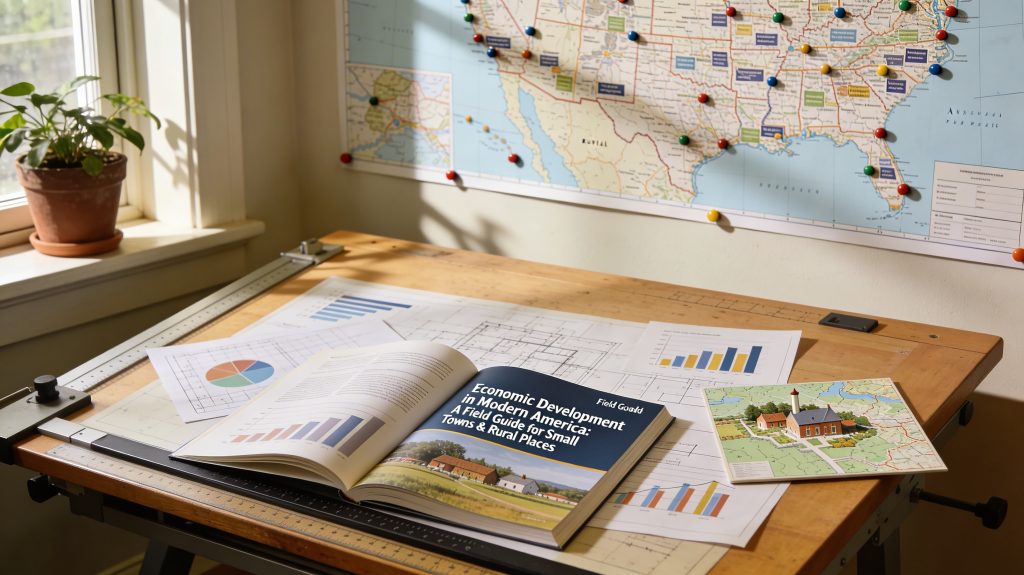
Economic vitality indicators are more specific than simply counting jobs. This goes beyond employment and income to count things like new businesses filling empty buildings, a diversified economic base, new investment and access to capital, retention and expansion efforts, and a strong entrepreneurship ecosystem.
That is the kind of list that gets closer to what Main Street economic development practitioners should be actually working on. It connects economic performance to local adaptability, reuse, entrepreneurship, and continuity.
Quality of Life Indicators
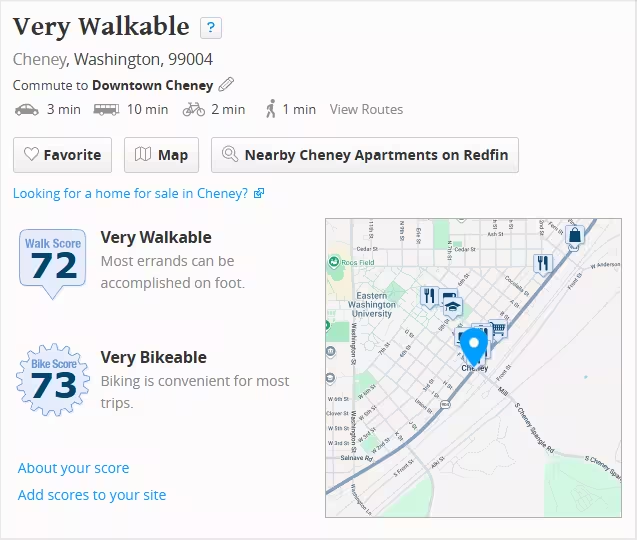
This is where the framework broadens out. Quality of life is not an afterthought. It becomes its own category of local success. Last week, we gave the example of AARP’s Livability Indicators. Livability Score aggregates measures of housing, neighborhoods, transportation, environment, health, engagement and opportunity. You can add walkability and bikability—there are indexes out there for just about every jurisdiction.
Adding quality of life measures reminds us a place is not succeeding merely because money is moving. A place succeeds when daily life in and around Main Street is becoming more workable, more healthy, more connected, and more equitable.

Putting Indicators to Work
As I noted last week, these indicators are not necessarily good or bad on their own. They are just different—hopefully in a way that adds meaning and context to the typical statistics of jobs, income, and taxes. It’s what we’ve been working on here on the blog all year long.
What do you think? What do you use to better measure success?
.