

June transforms spring into summer as we turn our attention to the landscapes and ecosystems that define rural communities across North America. Conservation is more than an environmental imperative; it’s a strategic tool for planners and policymakers working to build vibrant, resilient communities. From national parks and wilderness areas to local trails and working landscapes, the Great Outdoors offers a wealth of opportunities to enhance rural prosperity, community identity, and economic development.
In today’s rapidly changing climate, conservation is no longer a luxury. It’s a necessity that supports local economies, preserves cultural heritage, and safeguards the natural resources that communities depend on. Small towns increasingly find themselves balancing growth with sustainability, and planners play a key role in ensuring that conservation is integrated into local development strategies. The outdoor economy—rooted in recreation, tourism, and stewardship—provides both a foundation and a future for rural communities seeking to thrive in an evolving landscape.

June’s Conservation Series: What to Expect from The Great Outdoors
This month, we invite you to join us as we explore the history, policies, and practical applications of conservation that shape the Great Outdoors and its role in community development. Each week, we’ll dive deeper into the connections between conservation and rural planning:
Week 1: Conservation and the Great Outdoors—The Big Picture
We’ll examine the history of conservation, from early figures like John Muir, Gifford Pinchot, and Theodore Roosevelt from the creation of Yellowstone National Park to recent initiatives. We’ll also explore how the conservation ethic has evolved to address modern challenges and opportunities.
Week 2: Harnessing Conservation for Rural Economic Growth: A Guide for Local Leaders
Discover how conservation initiatives can create economic opportunities, from tourism and recreation to working landscapes that sustain livelihoods. We’ll highlight successful partnerships and funding mechanisms that planners can leverage.
Week 3: How Small Towns Can Build a Strong Outdoor Economy Without Selling Out
Explore success stories from towns like Bozeman, Durango, and Taos where residents have embraced the outdoor economy. Learn how planners and policymakers can balance growth with the preservation of local identity and natural resources.
Bonus: The Great Outdoors is a Great Place for a Good Book
Week 4: How To Catalyze Regenerative Conservation for Community Renewal
We’ll look ahead to emerging trends, technologies, and innovative partnerships that are shaping the next generation of conservation. From climate adaptation strategies and ecosystem services to community-driven conservation, discover how planners can embrace possibility thinking to build more resilient, prosperous communities.
Join us each week as we unpack the essential role of conservation in shaping vibrant, sustainable rural communities. Together, let’s celebrate the land—and the people—who make the Great Outdoors truly great.
Read More
Curious to learn more about conservation and the Great Outdoors—and how they can empower rural communities? Here are some carefully selected resources to inspire and inform your planning efforts:
Books
- A Sand County Almanac by Aldo Leopold
A foundational text on the land ethic, offering timeless insights into the relationship between people and nature. - Walden by Henry David Thoreau
A classic meditation on simplicity, self-reliance, and the value of wild places. - Thinking Like a Mountain: Aldo Leopold and the Evolution of an Ecological Attitude toward Deer, Wolves, and Forests by Susan Flader
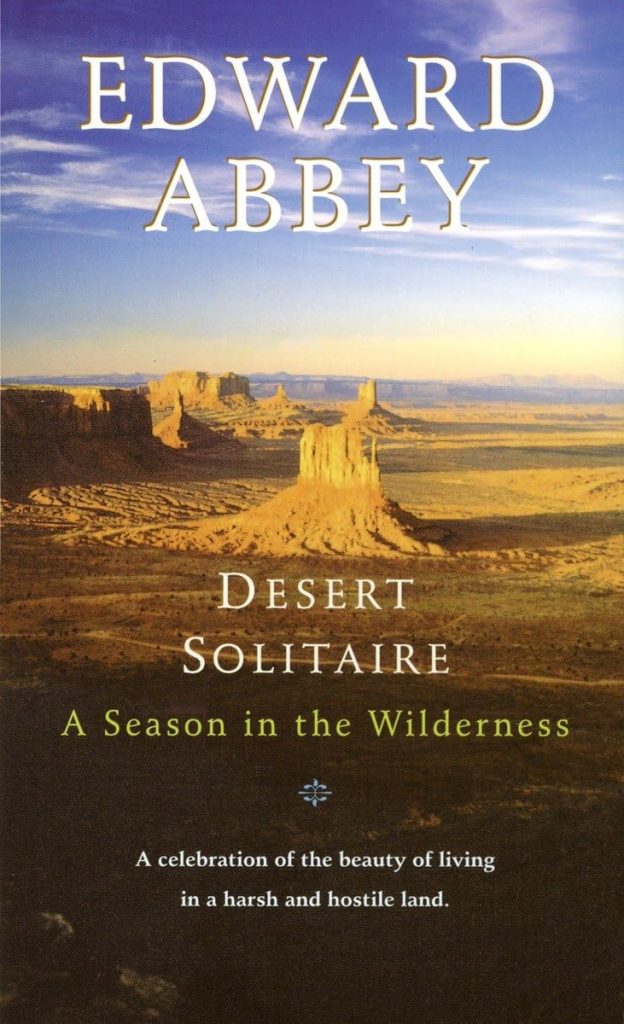
Explores Aldo Leopold’s ideas in depth, connecting his philosophy to modern conservation planning. - Desert Solitaire: A Season in the Wilderness by Edward Abbey
An autobiographical work, Abbey’s 4th book and first non-fiction work, based on his time as a park ranger at Arches National Park before the area commercialized.
Websites
- Trust for Public Land (www.tpl.org)
Offers guidance on creating parks, trails, and public spaces that benefit communities. - Scenic America (www.scenic.org)
Resources on preserving visual beauty and enhancing community character. - Land and Water Conservation Fund Coalition (www.lwcfcoalition.org)
Information on funding opportunities and success stories of local conservation projects. - National Park Service (www.nps.gov)
A deep dive into national parks, monuments, and historic conservation efforts.
Want More? Explore Our Recommended Lists:
- Books Every Rural Planner Should Read in 2025
- Top Tools for Rural Cultural Preservation and Adaptive Reuse
- Community Engagement in Historic Preservation
(As an Amazon Associate, we may earn commissions from qualifying purchases. Check your local library, too.)