
Why Rural Cultural Heritage Matters
This four-part series, published during Preservation Month, explores the intersection of rural cultural heritage and community development, including historic preservation and adaptive reuse. Each article focused on a critical aspect of how traditions, historic places, and grassroots efforts contribute to the sustainability and resilience of small towns and rural communities:
- Rural Cultural Preservation in American Communities:
Examines how cultural heritage supports sustainable rural development. - Rural Traditions Shape Stronger Communities:
Highlights the social value of rural customs and traditional practices. - Saving Rural Identity: How Old Buildings Shape Strong Communities:
Focuses on the role of historic architecture in preserving rural identity. - Community-Led Cultural Preservation in Rural Areas:
Showcases successful examples of community-driven heritage preservation.
A bonus article highlighted the adaptive reuse of an old Ford manufacturing and service building for a small town art museum.
Together, these articles offer valuable insights for rural planners, community leaders, and policymakers seeking to strengthen rural identity and community resilience.
Culture as a Foundation for Rural Resilience
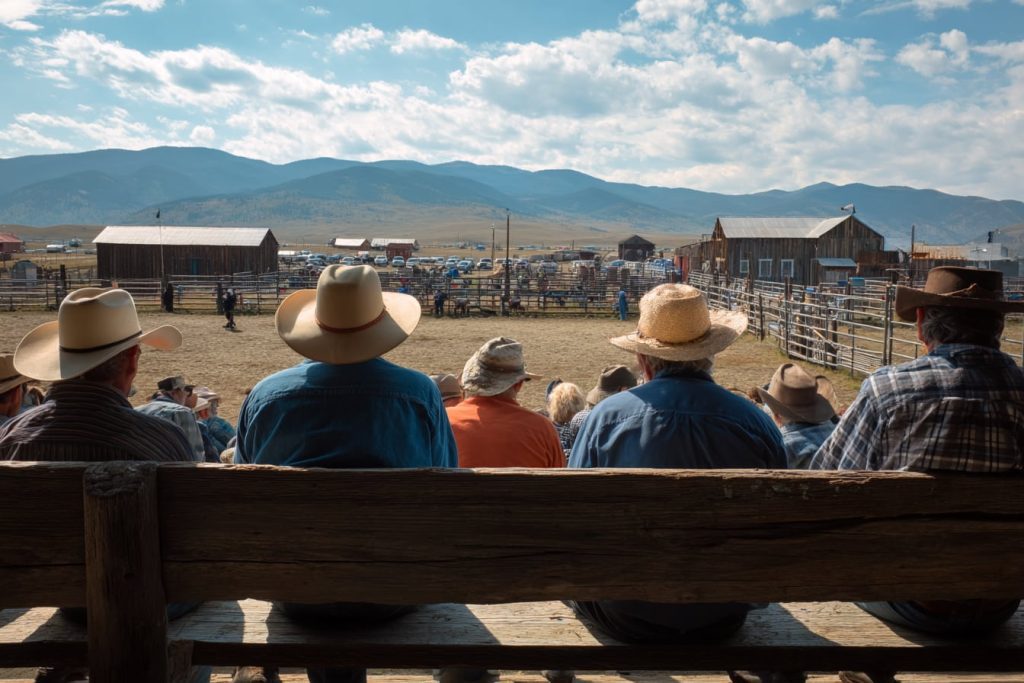
One key takeaway across all four articles is that rural cultural heritage plays a central role in community resilience. Culture binds people together, reinforces local identity, and helps communities adapt to change. Whether it’s through preserving folk traditions, repurposing historic buildings, or hosting local storytelling events, cultural sustainability fuels long-term community strength.
In rural development, culture is not an afterthought—it’s a strategy.

Sustainable Strategies for Rural Heritage Preservation
Based on the insights from the series, here are four practical strategies for sustainable rural cultural preservation:
1. Engage the Community
Encouraging active participation from residents ensures that heritage efforts are locally relevant and sustainable. Rural communities thrive when people feel ownership of their culture and history.
2. Promote Intergenerational Knowledge
Documenting oral histories, supporting local schools, and organizing cultural workshops help transfer rural traditions to younger generations, keeping heritage alive.
3. Integrate Culture Into Rural Policy
Rural planners should incorporate cultural preservation into zoning, land use, and economic development policies. This ensures heritage is not sidelined but embraced as a core asset.
4. Reuse and Revitalize Historic Places
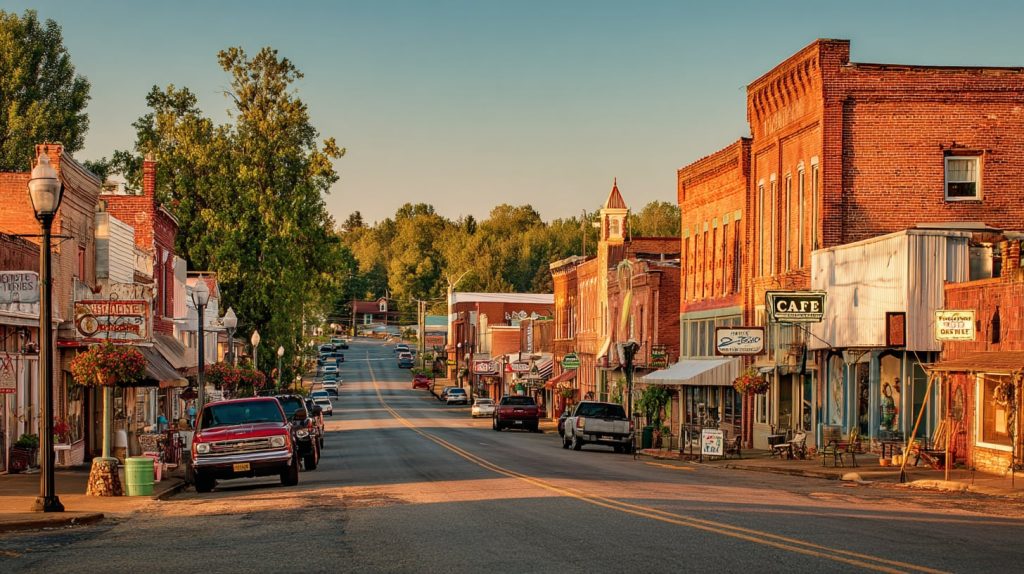
Adaptive reuse of small town and rural buildings—like turning an old downtown red brick manufacturing plant into a museum—preserves historic identity while generating economic opportunity.

Conclusion: Investing in a Culturally Resilient Rural Future
Rural cultural heritage is a living resource. It tells the story of a place, unites people around shared values, and offers a path to sustainable development. As this series has shown, communities that embrace their heritage are more likely to thrive—not just economically, but socially and environmentally.
Now more than ever, it’s time for rural leaders to make cultural preservation a priority. By integrating these strategies, we can build strong, culturally rich, and future-ready rural communities.
What does it mean to truly honor a place?
The answer lies not in monuments alone, but in memories, meanings, and the relationships that sustain them.
What to Do About It
Whether you’re a local official, a teacher, a volunteer, a student, or a storyteller:
– Support grassroots heritage work.
– Listen to rural voices.
– Invest in memory, place, and pride.
Because when we preserve culture, we preserve capacity. And that’s how rural communities not only survive — but thrive.
Read More on Rural Cultural Heritage Preservation
Recommended Books on Rural Cultural Heritage Preservation
- Saving America’s Countryside: A Guide to Rural Conservation and Development, 2nd edition, by Samuel N. Stokes et al.
A comprehensive guide detailing strategies for conserving rural landscapes and communities, emphasizing the importance of integrating preservation with sustainable development. - Historic Preservation: An Introduction to Its History, Principles, and Practice, 3rd edition, by Norman Tyler
This foundational text offers insights into the history and principles of historic preservation, including case studies relevant to rural settings. - A Field Guide to American Houses (Revised): The Definitive Guide to Identifying and Understanding America’s Domestic Architecture, by Virginia Savage McAlester
Illustrated, authoritative introduction to the principal architectural and decorating styles of the American house, from Colonial times to the mid-twentieth century. - The Conservation of Cultural Landscapes by Mauro Agnoletti
Explores methodologies for analyzing and managing cultural landscapes, with a focus on rural areas and the interplay between human activity and the environment. - Heritage, Tourism, and Community (Routledge Series)
This collection examines the relationship between heritage conservation, tourism, and community development, offering perspectives on sustainable practices in rural contexts.
Organizations and Online Resources
- National Trust for Historic Preservation
Provides resources and advocacy for preserving America’s historic places, including barns, landscapes, and cultural traditions. savingplaces.org - RURITAGE – Heritage for Rural Regeneration
An EU-funded project that transforms rural areas into laboratories for demonstrating how cultural and natural heritage can drive sustainable development. ruritage.eu - Preservation Directory – Rural & Agricultural Heritage
A comprehensive directory offering resources, organizations, and publications focused on rural and agricultural heritage preservation. www.preservationdirectory.com - American Institute for Conservation – Heritage Preservation Programs
Offers programs and resources aimed at preserving cultural heritage, including emergency preparedness and conservation best practices. www.culturalheritage.org
International Perspectives
- Europa Nostra
A pan-European federation dedicated to safeguarding Europe’s cultural and natural heritage, advocating for high standards in heritage conservation and sustainable development. www.europanostra.org - ICOMOS – Rural Heritage: Landscapes and Beyond
Focuses on the diversity of rural heritage, emphasizing the importance of integrating conservation with the stewardship of natural and cultural landscapes. websites.umass.edu - Riwaq – Centre for Architectural Conservation
Riwaq works on the conservation and revitalization of rural architectural heritage in the Middle East, aiming to improve living conditions through community empowerment. www.riwaq.org - Southwest Folklife Alliance
SFA builds more equitable and vibrant communities by celebrating the everyday expressions of culture, heritage, and diversity rooted in the Greater Southwest and U.S. Mexico Border Corridor. SFA is an affiliate non-profit organization of the University of Arizona, housed within the College of Social and Behavioral Sciences. southwestfolklife.org
These resources offer valuable insights and practical guidance for anyone interested in the preservation and promotion of rural cultural heritage. They can serve as foundational materials for further research, policy development, or community-based initiatives.
Check out the JCShepard.com Small Town and Rural Community Guide to Cultural Preservation – Click here to download PDF.
Read more books on Rural Planning:
Books Every Rural Planner Should Read in 2025
(As an Amazon Associate, we may earn commissions from qualifying purchases. Check your local library, too.)
