
Rural Opportunity Zones offer another chance. Communities still have to make it count.
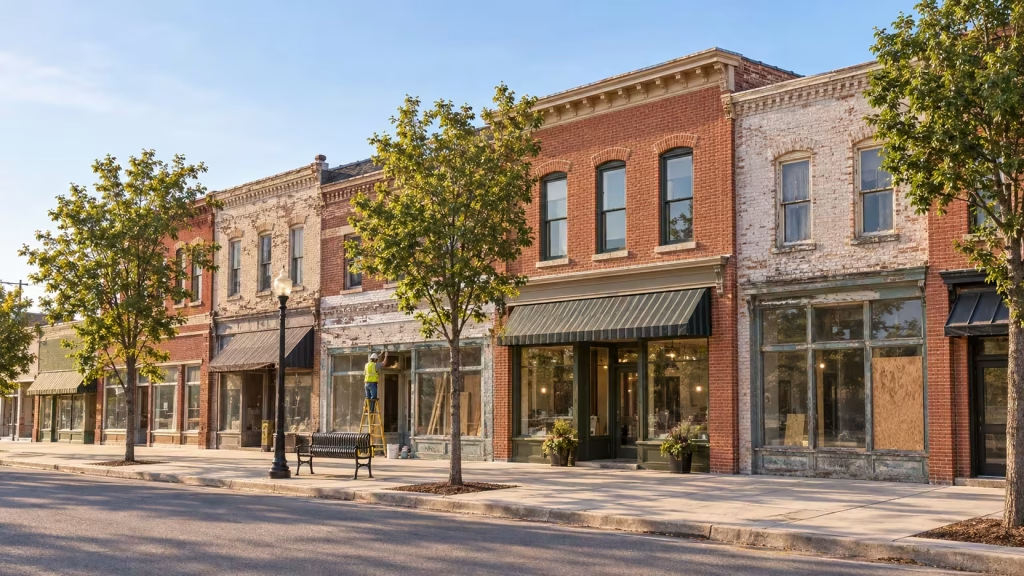
We all have those projects in town. That red brick commercial building downtown, where the property owner just needs a small boost to make the numbers pencil out on bringing back second story residential units. Or the entrepreneur with a sure-fire idea but a capital stack long on hopes and short on security.
A few places across the country have had a tool on the map to help those ideas turn into economic development projects—Opportunity Zones (OZs). I wrote about them last week. As OZs move into a new second round, small towns in particular have another chance to connect federal tax incentives with something our communities actually need.
McCook, Nebraska, offers a useful place to start that conversation.
From OZ 1.0 to a New Nomination
McCook is a city of about 7,500 residents nestled in the heart the Republican River valley near the Kansas state line, and gives some continuity to the story of Opportunity Zones. In 2018, the east side of the community—Census Tract 9633—was designated in the OZ 1.0 program. Fast forward to this year, and the same Census Tract is one of the few places to be re-nominated for OZ 2.0.
For the most part, OZ 1.0 tracts in places like Valley County or York County, Nebraska, are graduating from the program. I don’t look at re-nomination as being held back in school, though; more like getting a red-shirt 5th year of eligibility. In this case it’s OZ 2.0 nomination could bring 10 more years eligibility… assuming Federal authorities accept the nomination for certification.
McCook’s Opportunity Zone sits where the City has been at work. During the Nebraska Governor’s announcement, Mayor Linda Taylor connected the City’s nomination to expansion of their industrial park, residential development, and the airport master plan. Tract 9633 still needs the help a Qualified Rural Opportunity Fund (QROF) could bring to development projects.
The New Map: What is Settled and What Comes Next
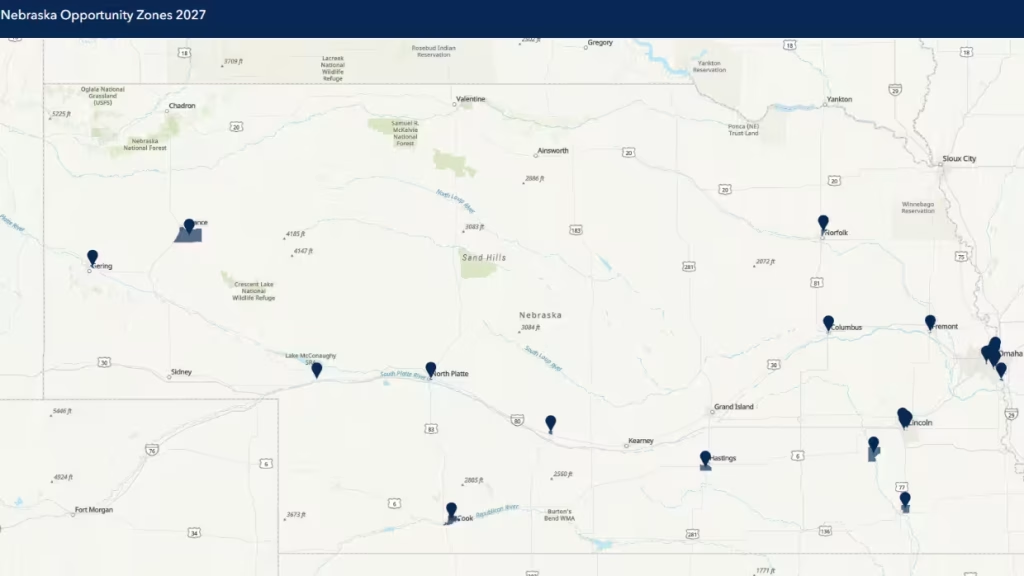
Nebraska submitted our OZ 2.0 tract nominations to the US Treasury Department on July 22nd. To qualify as eligible for this round, a Census tract must meet a lower Median Family income (MFI) Threshold of 70% or less of state or metro median family income, down from 80% the first time around; or the has a poverty rate of 20% or higher and its MFI is no more than 125% of the state or metro median. Each state governor can nominate up to one-quarter of eligible tracts. Nebraska nominated its maximum of 28 tracts across urban and rural areas, from Omaha and Lincoln to Gering and Alliance across the state.
The deadline for nominations was the end of September, with an extension to October 28, 2026, on request. Some states met the deadline, others asked for the extension, while others aren’t telling—transparency in this public process has been uneven, one of the wonders of federalism. Idaho, for once, is apparently already certified and good to go. Approved designations take effect 1 January 2027, for the new ten-year cycle. That sets the map. The map is not the project.
Before January: Make the Opportunity Do-able
If your home town got itself on the OZ 2.0 nominations list, Autumn is the time to prepare. Winter is coming, as they say, and the First of January is right around the corner. Remember, though, nomination is speculative until Treasury certifies the map.
Until then, confirm you know where this year’s Census Tract line ended up on the map—lines change, so double-check. Then look for one plausible development project tied to an established local need, maybe housing or reuse of a commercial building. A short profile of ownership, intended use, major constraints, and the financing gap should be enough to start a useful conversation.
That’s just practical tips, not a compliance list. When it comes to death or taxes, always consult a qualified professional before making any investment.
What you find can give you—the local planner, development advocate, or potential investor expecting a capital gain you want to put to work—a focused conversation with a property owner or developer, economic development staff, regional partners, and qualified financing and tax advisors. Ask what the incentive could make possible and what benefit local residents should expect.
Its Not About the Map—It’s What We Put On The Map
The OZ 2.0 map is interesting, but it doesn’t bring jobs or income to your community. The opportunity is to connect a local need with a workable project and people willing to invest in it. Between now and January, that is work to do, whether you are the planner, property owner, or the person who keeps asking why that building downtown is still empty. The tax break may help open a door. Somebody local still has to turn the lock.
Resources
If you want to learn more, there are several resources out there, starting with the US Department of Housing and Urban Development (HUD). Then check out resources such as OpportunityZones.com, Rural Opportunity Zones 2.0, and the CDFA Opportunity Zone Resource Hub.
This is the third post in a series on Opportunity Zones. The first, an introduction to the OZ program, is here. The second, a review of OZ 1.0, is here.
.