
Does Your Land Use Plan Actually Work?

Four Sundays. One development proposal. Four different layers of the same question. We started with a farmer’s heirs who wanted to sell. We followed that proposal through the future land use map, through agricultural land use policy, through the gap between the zoning code and the comprehensive plan, and finally through the thirty-year cost calculation […]


When the Zoning Code Works Against the Plan

The building has stood at the corner for a hundred and eighteen years. Red brick, two stories, cast-iron columns flanking a recessed entry, a limestone date stone reading 1908. The ground floor has held a dry goods store, a five and dime, an insurance agency, and for the last six years a coffee shop that […]
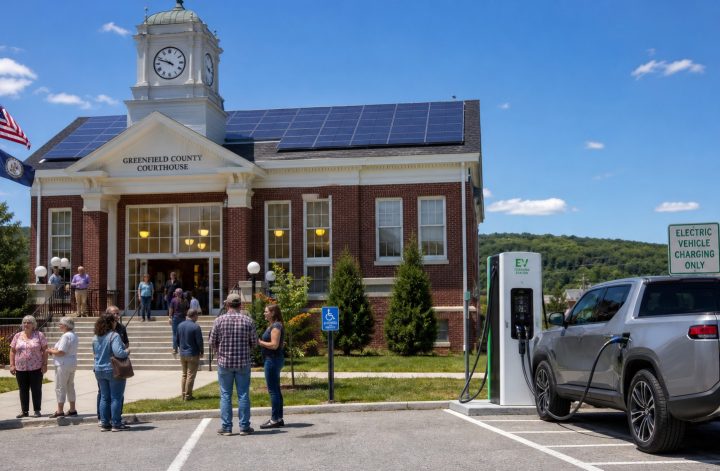
Ag First: How Rural Land Use Policy Protects Working Ground

The development application is straightforward on paper. Twelve residential lots on forty acres of prime ag land, five miles outside of town. The heirs of the family that farmed it want to sell. A developer has found buyers. The parcel is accessible from a county road. No wetlands. No floodplain. Nothing obviously wrong. The planning […]

The Future Land Use Map: Your Community’s Most Important Document

The call comes on a Tuesday afternoon. Three siblings have inherited a half-section of ground from their mother, and they all moved to California or Texas years ago. A developer has offered to buy the west forty for twelve rural home sites of three acres each, on a gravel road five miles from the nearest […]
Historic Preservation and Rural Economic Development: A Rural Growth Strategy

In last week’s article, we looked at the growing challenge rural communities face in maintaining essential community facilities. But what if some of those same buildings—often seen as liabilities—are actually among the most valuable assets for rural economic development that a community already has? Historic Sites and Places as Community Facilities In many rural communities, […]

Grounded Growth: Rural Zoning Strategies for Resilient Land Use

How Small Towns Can Plan for People, Land, and Legacy This article continues our November series: From Ideas to Action — A Month of Praxis and Implementation in Rural Communities. In week three, we focus on turning planning theories into useful rural zoning strategies — the essential tools that help small towns manage growth, protect […]
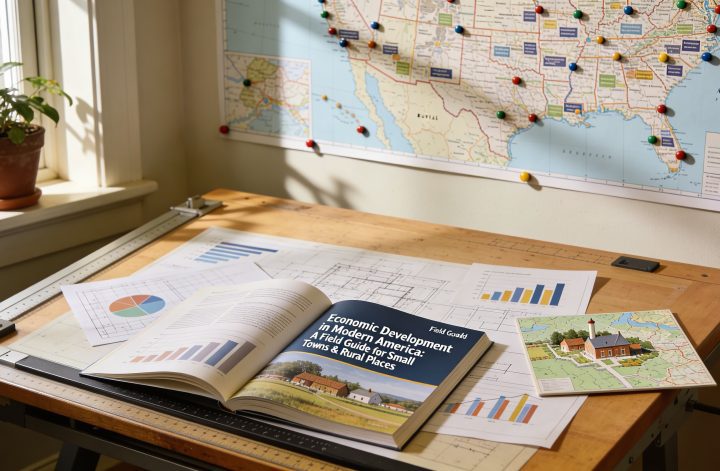
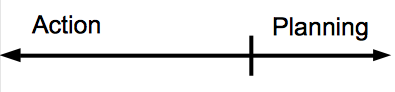
Rethinking the Rural Economy: New Paths, New Possibilities for Growth

When people picture small town and rural America, agriculture is often the first—and sometimes only—industry that comes to mind. But the truth is far richer and more complex. From manufacturing and mining to tourism and public service, rural economies and economic development across the United States are powered by a wide array of industries that […]


Saving Rural Identity: How Old Buildings Shape Strong Communities

Welcome to Part 3 of our four-part series on Rural Cultural Heritage and Community Resilience.So far, we’ve explored the importance of cultural preservation and the enduring value of rural traditions. In this installment, we turn to the places that anchor those values in everyday life: historic buildings and community landmarks. Across rural North America, communities […]

Rule of Law in Rural Governance : Strong Small Towns Start With Fair Local Laws

Fairness Isn’t Just for Strangers: Why the Rule of Law Matters in Small Towns In a small town, everyone knows your name. That can be a blessing—or a curse. When someone wants to build a new garage too close to the property line, or a cousin of a councilmember applies for a public grant, people […]
