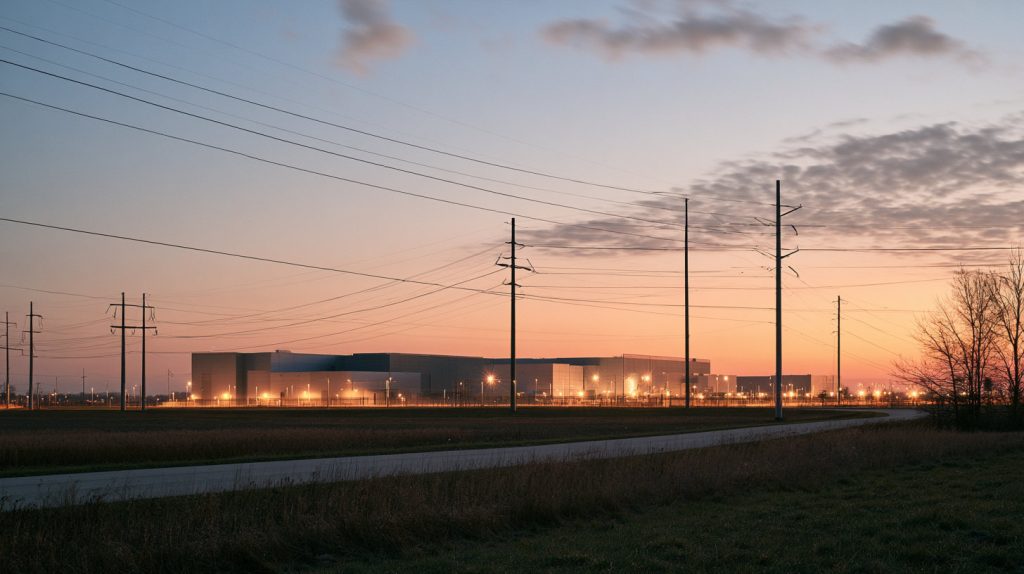
We love to hate data centers across the country. Between half and three-quarters of Americans say they oppose one in their own community, depending on how the question is worded. The opposition crosses party lines and holds across urban and rural areas.
As we discussed last week, the 2026 US mid-term elections have been called the “data center” election. Gallup , for example, reported 50% of Americans are concerned with excessive use of water and energy resources. Anybody paying attention to those polls had an idea, but now we’re seeing ideas become reality on the ground.
Some places have been adopting moratoria, and several newly-elected officials are calling for a ground stop at least until state legislators have a chance to meet and discuss concerns. State or local, a moratoria is a time-out to develop regulations, not a ban. As Professor Francine Romero at UT-San Antonio noted in the American Planning Association’s Planning Magazine, you can’t ‘just say no’ to data centers. There are legal limits and Constitutional protections to consider and your regulations need to have a basis in your community plans and policies.
What can MY Small Town do about data centers?
The best thing you can for your small town is have a conversation with your local elected officials and staff before a data center comes to town.
- How does your comprehensive plan provide for energy generation and large-scale power users?
- Does your community have a say about behind-the-meter gas turbines or diesel generators?
- Can you encourage the use of renewable energy and battery energy storage systems?
- Are applicants required to document and report initial and continuing water use?
- How are projects mitigating long-term noise impacts? And who is going to respond to noise complaints in the middle of the night?
Then ask how your local zoning regulations classify data centers of different sizes. In many places, small, local edge centers may only need a simple permit, where large, hyperscale data centers are expected to go through full public hearings and mitigate impacts including noise, water use, and power demand. We’re also seeing more communities require decommissioning agreements and securities, which we’ve long required for wind and solar energy generation facilities.
The best models combine clear zoning (where yes, where no) and predictable standards, combined with state-level large-load tariffs. Many places are encouraging or even requiring negotiated community benefit agreements for data centers, something I’m not convinced is good public policy. In many ways, predictability is the best incentive a community can offer.
There are resources available that can help your community be prepared before a data center comes knocking on town hall. We know how to build large industrial projects across the U.S. Now it’s our turn to do it right.
Read More
- The Rural Energy Revolution 2026: Data Centers, Demand, and the Question of Who Pays (October 2026)
- Data centers are now the defining rural land use fight (September 2026)
- A Good Effort, Not Yet a Good Law: Reading the Senate’s Permitting Bill Before Monday’s Vote (7 November 2026) on the proposed Bipartisan American Affordability and Jobs Act of 2026 or BAAJA bill
- Data Center Planning Resources for EDDs & RDOs, NADO National Association of Development Organizations (August 2026)
- Helping Communities Understand the Data Center Boom, NLC National League of Cities (October 2025)