
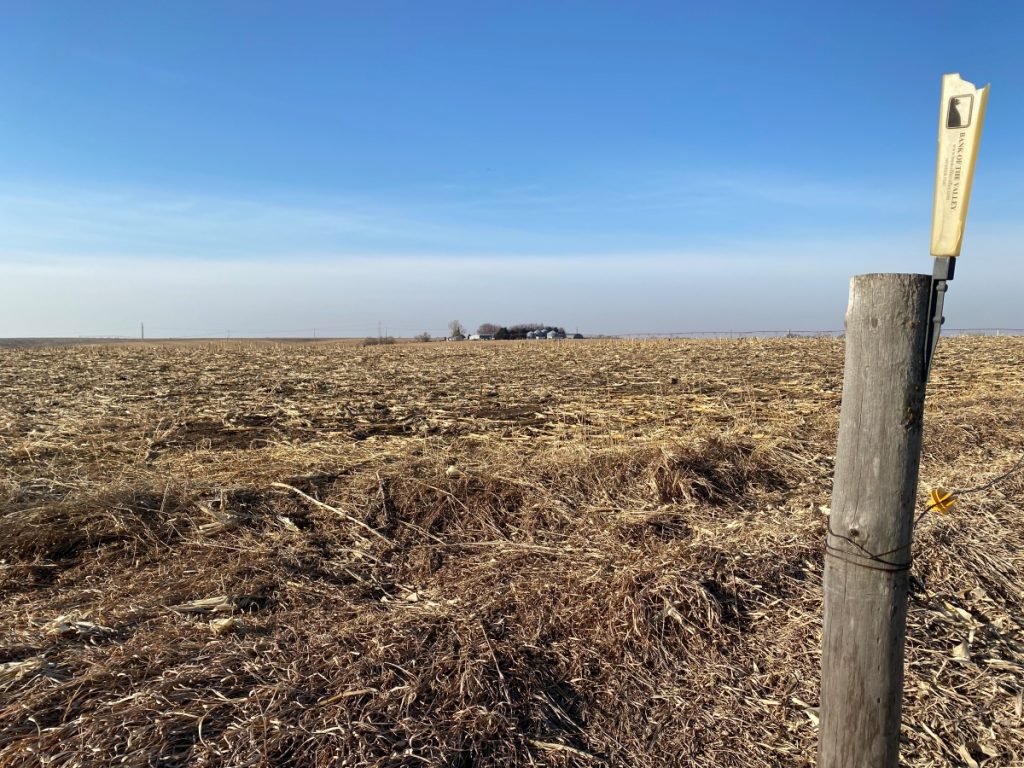
Soil is essential to environmental sustainability. Soil is one of the most valuable natural resources in rural communities, yet it is often overlooked in planning and policy discussions. Conventional tillage methods contribute to soil erosion, water runoff, and declining fertility—threatening both agricultural productivity and local ecosystems. No-till farming offers a solution, reducing soil disturbance while improving land resilience and environmental sustainability.
But no-till isn’t just a farming practice—it’s a land-use and resource management strategy that benefits entire communities. Planners, policymakers, and conservation organizations have a unique opportunity to support no-till adoption through zoning policies, incentive programs, and regional watershed management.
This article explores benefits of no-till farming, its role in rural planning, and how policymakers can promote its adoption to build healthier, more resilient agricultural landscapes.

What Is No-Till Farming?
No-till farming is an agricultural method where farmers plant crops without disturbing the soil through plowing or tilling. Instead of turning over the soil, they leave crop residues in place, using specialized equipment to plant new seeds directly into the undisturbed earth.
Key Benefits of No-Till Farming
- Reduces soil erosion, retains organic matter, and enhances fertility.
- Improves soil structure, increasing water infiltration and reducing runoff.
- Stores carbon in the soil, helping mitigate climate change.
- Reduces fuel, labor, and equipment costs associated with plowing.
- Supports beneficial soil organisms, leading to healthier crops.
While no-till farming requires investment in specialized equipment and knowledge, its long-term benefits make it a key strategy for sustainable land management and climate resilience.

Why No-Till Matters for Rural Planning and Policy
Soil and Water Conservation: A Regional Planning Concern
Soil erosion doesn’t just affect individual farms—it impacts entire watersheds, infrastructure, and rural economies. When topsoil washes away, it clogs rivers and lakes, increasing sedimentation costs for municipalities and degrading water quality.
Planning Connection:
- Every rural comprehensive plan should include information from the NRCS Soil Survey–even the old ones, as soil doesn’t change that much except by development impacts. The plan should incorporate goals and action items in coordination with soil and water conservation agencies.
- Land use policy should map and carefully consider protections for primary agricultural land.
- Local governments can incentivize no-till adoption through conservation easements and watershed protection programs.
- No-till farming aligns with regional soil and water conservation goals, helping prevent costly erosion control projects.
No-Till and Climate Resilience Strategies
Healthy soils store carbon and improve water retention, reducing flood risks and increasing drought resilience—key factors in climate adaptation planning.
Policy Opportunity:
- No-till practices can be integrated into climate action plans and carbon credit programs.
- Governments can offer financial incentives for no-till adoption through conservation grants and tax credits.
Economic Development and Rural Sustainability
Transitioning to no-till reduces operational costs for farmers, making agriculture more economically viable in the long term. Communities that support no-till farming benefit from stronger local food systems and more resilient farmland.
Planning Strategy:
- Planners can support no-till demonstration projects in rural communities.
- Economic development offices can help farmers access funding for no-till equipment through state and federal programs.
- Watch for likely reductions in Federal support for all types of conservation programs across the US in the new Administration.

Case Study: No-Till Adoption in Montgomery County, Ohio
Montgomery County (Dayton), Ohio, has been a leader in promoting and implementing no-till farming practices. Through strategic partnerships, policy initiatives, and educational programs, the county has made significant progress in advancing sustainable agriculture and soil conservation.
Historical Context and Initiatives
In the 1970s, the farming community in Montgomery County began exploring no-till practices in response to concerns over soil erosion and agricultural productivity, while the Dayton area peaked at over 600,000 residents. A key figure in this movement was David Brandt, a farmer from nearby Carroll, Ohio.
Brandt started using no-till farming in 1971 and soon became a pioneer in soil conservation and regenerative agriculture. His success stories inspired many farmers in Montgomery County and beyond, proving that no-till could improve soil health while maintaining profitability.
(Understanding Ag)
Strategies and Programs
The county has implemented several strategies and programs to encourage the adoption of no-till farming:
- Education and Outreach: Collaboration with local agricultural organizations and The Ohio State University Extension has led to workshops, field visits, and training sessions for farmers. These initiatives focus on the long-term benefits of no-till, such as improved soil structure and cost savings.
- Financial Incentives: Montgomery County has offered grants and cost-share programs to help farmers invest in no-till equipment and techniques. These financial incentives reduce the economic barriers associated with transitioning away from conventional tillage.
- Research Partnerships: The county has actively participated in agricultural research projects to evaluate the effectiveness of no-till and other soil management practices. These partnerships have produced valuable data and best practices, which are then shared with local farmers.

Measurable Results and Impact
The efforts in Montgomery County have resulted in tangible benefits:
- Reduced Soil Erosion: Widespread adoption of no-till practices has significantly decreased soil erosion, helping to protect local waterways and improve regional water quality.
- Economic Benefits: Farmers implementing no-till have reported lower operational costs due to reduced fuel use and labor expenses. Many also experience higher crop yields and improved soil fertility over time.
- Climate Resilience: No-till farming has increased soil organic matter, which enhances water retention. This has made crops more resilient to drought conditions and extreme weather events.
Future Outlook
Montgomery County remains committed to expanding sustainable farming initiatives. Key priorities include:
- Expanding educational programs to increase farmer participation.
- Strengthening partnerships between farmers, researchers, and policymakers.
- Developing new policies and funding opportunities to further incentivize sustainable practices.
By taking a proactive approach, Montgomery County serves as a model for other regions looking to integrate no-till farming into their long-term land-use and sustainability strategies.nal land-use solution that supports climate resilience, economic sustainability, and environmental conservation.
Read More on this Case Study from Montgomery County Conservation District on their website.

How Planners and Policymakers Can Promote No-Till Farming
- Coordinate zoning and conservation easements to encourage no-till adoption in sensitive watershed areas.
- Incentivize farmers through grants, tax credits, and cost-sharing programs for no-till equipment.
- Integrate no-till into comprehensive plans, rural climate resilience plans and carbon sequestration initiatives.
- Partner with conservation districts to provide technical support and education on no-till benefits.
By aligning agricultural policies with land-use planning, rural communities can protect natural resources, strengthen local economies, and promote long-term sustainability.
How is your community integrating no-till and soil conservation into planning efforts? Share your experiences in the comments.
Read More: Resources for No-Till Farming and Rural Land Use Planning
For planners, policymakers, and community leaders looking to integrate no-till farming into rural development strategies, the following resources—including websites, reports, books, and planning tools—offer valuable insights and practical guidance.
Websites
- USDA Natural Resources Conservation Service (NRCS) – No-Till Farming
NRCS No-Till Resources
Technical guidance, funding programs, and conservation incentives for farmers adopting no-till practices. - Conservation Technology Information Center (CTIC) – No-Till Resources
CTIC No-Till Database
Research, case studies, and best practices on no-till farming and its environmental benefits. - American Farmland Trust – Soil Health Policy Guide
Farmland Information Center
Resources on farmland protection, soil conservation, and policy tools for planners. - National Sustainable Agriculture Coalition (NSAC) – Conservation Policy
NSAC Conservation Programs
Federal and state-level policy resources on soil conservation, regenerative agriculture, and no-till incentives.
Books

- “Dirt to Soil: One Family’s Journey into Regenerative Agriculture”
Gabe Brown
A case study on soil restoration and no-till farming from a regenerative agriculture expert. - “The Living Soil Handbook: The No-Till Grower’s Guide to Ecological Market Gardening”
Jesse Frost
Principles and farm-tested practices for no-till market gardening–for healthier, more productive soil! - “Restoration Agriculture: Real-World Permaculture for Farmers”
Mark Shepard
Reveals how to sustainably grow perennial food crops that can feed us in our resource-compromised future. - The Organic No-Till Farming Revolution: High-Production Methods for Small-Scale Farmers
Andrew Mefferd
Learn how to use natural no-till systems to increase profitability, efficiency, carbon sequestration, and soil health on your small farm.
Reports and Studies
- “Soil Health and No-Till Farming: Economic and Environmental Benefits” (USDA NRCS)
Research on the cost savings and long-term productivity gains from no-till farming. - “The Role of Conservation Agriculture in Climate Change Mitigation” (FAO)
A global perspective on no-till farming and its role in reducing carbon emissions. - “No-Till Adoption Trends and Policy Recommendations“ (American Farmland Trust)
A data-driven analysis of no-till adoption rates and policy tools to encourage its use.
Planning Tools and Communities
- USDA Web Soil Survey
NRCS Soil Survey
A tool for assessing soil health and suitability for no-till farming practices. - American Planning Association (APA) – Agricultural Land Use Planning
APA Food and Agriculture Resources
Best practices for integrating conservation and sustainable agriculture into land-use planning. - Sustainable Agriculture Research & Education (SARE) – No-Till Farming Guide
SARE No-Till Guide
A practical guide for planners and policymakers on promoting no-till adoption through incentives and education.
As an Amazon Associate, I earn from qualifying purchases.
Looking for a nice book or two on urban planning? Read our blogpost with the 12 best books for 2025 here:
Unlock the Future: 12 Powerful Urban Planning Books for 2025

