
Soils and the Comprehensive Plan: What Your Soil Survey Is Trying to Tell You

Part 1 of 4 in our July series on Natural Resources and the Comprehensive Plan. Soils: The Ground Under Your Plan Most comprehensive plans nod politely at soils and then move on. A paragraph in the natural resources chapter, a phrase mentioning “environment” in the goals, a reference to the Natural Resources Conservation Service (NRCS) […]



Natural Resources in Your Comprehensive Plan: What’s Coming in July

Most comprehensive plans have a natural resources or environment chapter. Most of them say roughly the same things: protect prime farmland, preserve water quality, support conservation. But knowing what to protect is only half the job. The harder question — and the one most plans struggle with — is how. This July, we’re spending four […]
No-Till Farming for Planners: Boosting Soil Health and Rural Growth
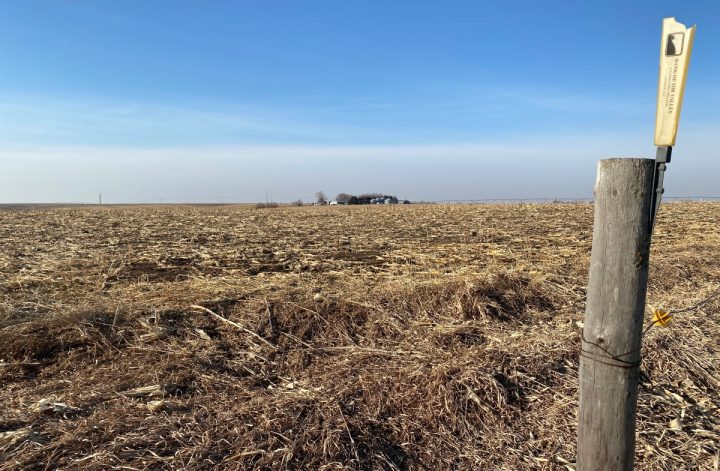
Soil is essential to environmental sustainability. Soil is one of the most valuable natural resources in rural communities, yet it is often overlooked in planning and policy discussions. Conventional tillage methods contribute to soil erosion, water runoff, and declining fertility—threatening both agricultural productivity and local ecosystems. No-till farming offers a solution, reducing soil disturbance while […]