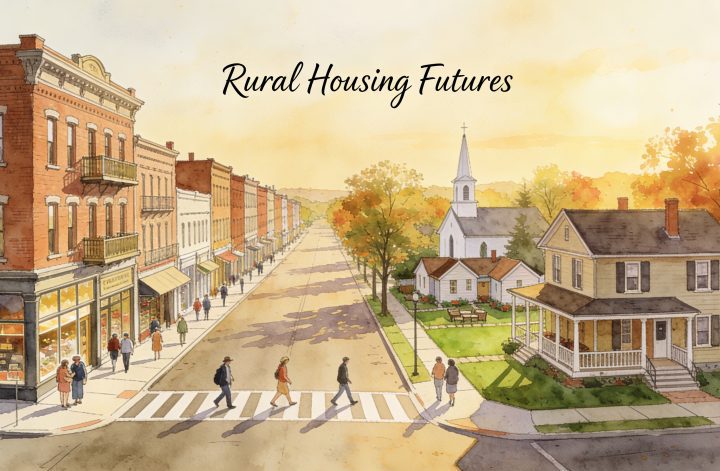
Saving Wetlands: Smart Planning For Conservation And Growth

Wetlands are invaluable ecosystems that offer services such as flood control, water purification, and biodiversity support. Wetlands function as natural sponges which trap and slowly release surface water, rain, snowmelt, groundwater, and flood waters. However, they often face threats from development and regulatory changes. Recent policy shifts, including the Sackett v. EPA Supreme Court decision, […]

Cover Crops: A Simple Solution for Healthier Soil, Clean Water, and More Resilient Landscapes

Soil degradation is a growing environmental sustainability challenge for rural communities. Erosion, declining fertility, and nutrient loss threaten long-term agricultural productivity, impacting not just farmers but also water quality, infrastructure, and land-use planning. One of the simplest and most effective solutions? Cover cropping. Cover crops—plants grown between cash crop cycles to improve soil health—help prevent […]
No-Till Farming for Planners: Boosting Soil Health and Rural Growth
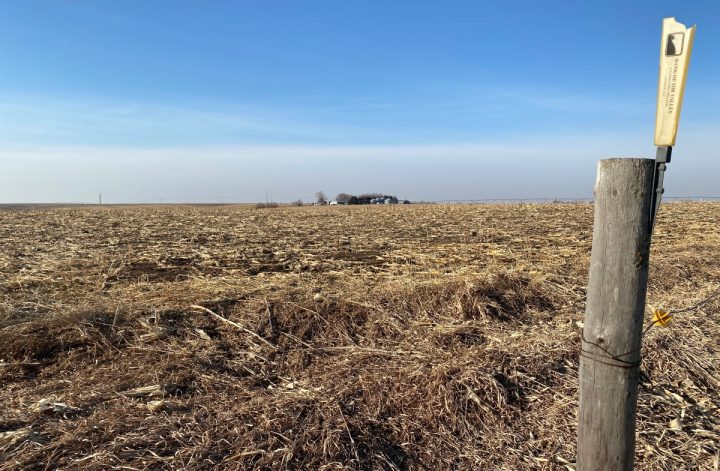
Soil is essential to environmental sustainability. Soil is one of the most valuable natural resources in rural communities, yet it is often overlooked in planning and policy discussions. Conventional tillage methods contribute to soil erosion, water runoff, and declining fertility—threatening both agricultural productivity and local ecosystems. No-till farming offers a solution, reducing soil disturbance while […]