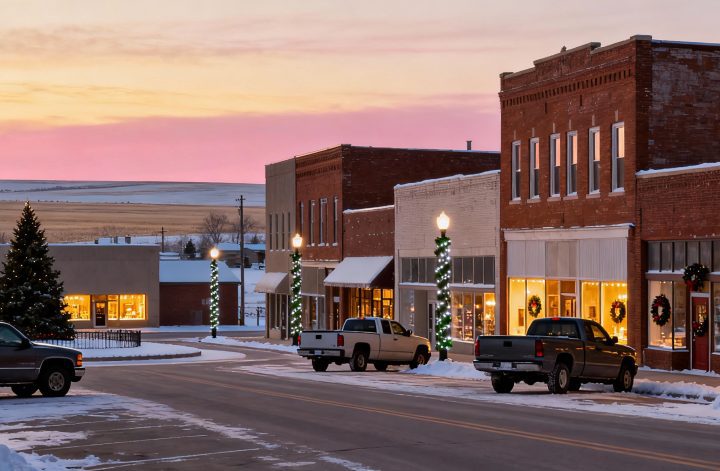

Rural resilience starts with a shared vision. For small cities and rural counties, beginning the year with meaningful conversations about priorities lays the groundwork for growth, sustainability, and strength. Communication is both part of crafting better plans and projects, but also in achieving results of goals, policies, and action items. These discussions go beyond simple brainstorming—they build consensus, foster collaboration, and create actionable plans that reflect the values and goals of the entire community.
In this article, we’ll explore how community conversations can drive rural resilience, provide practical tips for starting them, and share real-world examples of towns that have used these discussions to shape their futures.

1. The Power of Shared Vision
A shared vision provides direction and unity. It helps rural communities focus their efforts on projects that truly matter, ensuring resources are used wisely and outcomes benefit everyone.
- Building Momentum: When residents see their ideas reflected in the community’s goals, they’re more likely to stay engaged and committed to the process.
- Fostering Collaboration: A collective vision aligns stakeholders, including local government, nonprofits, and businesses, around common objectives.
- Ensuring Relevance: Community conversations reveal what residents value most, ensuring that priorities address real needs rather than assumptions.
Example: Fairfield, Iowa, hosted a series of town hall meetings to gather input on revitalizing its downtown. The community identified key goals, such as creating pedestrian-friendly spaces and attracting local businesses. These conversations resulted in a comprehensive plan that brought life back to the town center.

2. How to Start Community Conversations
Engaging your community in meaningful discussions doesn’t have to be complicated. Here are some practical steps to get started:
- Host Open Forums: Organize town hall meetings where residents can share their ideas and concerns. Ensure the environment is welcoming and inclusive.
- Conduct Surveys: Distribute online and paper surveys to gather input from those unable to attend in-person events. Use clear, focused questions to guide responses.
- Use Interactive Tools: Consider tools like SWOT analyses (Strengths, Weaknesses, Opportunities, Threats) or vision boards to help residents articulate their ideas.
- Set the Tone: Emphasize that every voice matters. Encourage residents to focus on solutions rather than just identifying problems.
Pro Tip: Offer incentives like refreshments or door prizes to boost attendance and participation in forums and workshops. Hungry people are not usually happy people.

3. Tools and Resources for Guiding Conversations
There are many tools available to help communities facilitate productive discussions:
- SWOT Analysis: A structured approach to identify strengths, weaknesses, opportunities, and threats specific to your town.
- Visioning Exercises: Activities like imagining “a day in the life” of your town 10 years from now can inspire forward-thinking ideas.
- Community Mapping: Use maps to highlight existing resources, challenges, and opportunities for growth.
- Case Studies: Share examples of what has worked in other towns to inspire ideas and build confidence in the process.
Example: In Homer, Alaska, community mapping workshops were used to identify areas at risk of flooding. This exercise helped inform the town’s Climate Action Plan, ensuring it addressed real, localized challenges.
Example: UNC Rural Community Conversations connects rural communities with campus members from the University of North Carolina at Chapel Hill. They also provide funding and supply resources to make these partnerships more effective.
Example: Marvin Planning Consultants (JC Shepard’s firm) has successfully used a modified SWOT Analysis in countywide and community Town Halls, in places like the City of Kimball, in western Nebraska’s panhandle.
- Why do you chose to live or have a business in Kimball?
- Wat are the biggest opportunities Kimball has for the future?
- What are the biggest challenges Kimball has right now?
- What do you love about Kimball?
- How would you describe the ideal Kimball 20 years from now?

4. Spotlight: Rural Communities Leading the Way
Rural towns across the U.S. have used community conversations to prioritize goals and achieve meaningful change.
- Yakima, Washington: A bilingual outreach program ensured Spanish-speaking residents could participate in the city’s land-use planning process, resulting in more inclusive and effective policies.
- Grand Marais, Minnesota: Regular public updates during the city’s downtown redevelopment project kept residents informed and engaged, building trust and support for the initiative.
- Museum of Friends, Walsenburg | San Luis Valley Museum, Alamosa, Colorado: Change in Rural Colorado discussions encourage members of the community to engage in thoughtful and constructive discussions regarding the concept of change within their rural towns.
These are among the many examples which show that when communities come together, they can create plans and that reflect their values and goals while addressing their most pressing challenges.

Conclusion
Community conversations are the foundation of rural resilience and growth. By bringing residents together to share their ideas and priorities, rural towns can align their efforts and resources to achieve meaningful, sustainable outcomes.
The start of a new year is the perfect time to initiate these dialogues. Whether it’s through public forums, surveys, or visioning exercises, engaging your community ensures that your town’s future reflects the voices of the people who call it home.
What are your community’s priorities for 2025? Share your thoughts and experiences in the comments below. Together, we can create stronger, more vibrant rural communities.
Read More: Resources for Building Rural Resilience Through Community Conversations
Dive deeper into the strategies and tools that empower rural communities to foster resilience through collaboration and planning. These resources—including websites, books, and reports—provide actionable insights for shaping priorities, engaging stakeholders, and driving positive change in 2025 and beyond.
Websites
- National Association of Counties (NACo)
https://www.naco.org
Offers tools and case studies to help counties create resilient, thriving rural communities. - Strong Towns
https://www.strongtowns.org
A movement dedicated to making communities more financially resilient by rethinking local development patterns. - The Rural Assembly
https://ruralassembly.org
A network that supports rural communities through advocacy, collaboration, and the sharing of best practices. - Institute for Local Government
https://www.ca-ilg.org
Provides resources for engaging residents in planning and decision-making processes. - Community Heart and Soul
https://www.communityheartandsoul.org
Community Heart & Soul engages a motivated and dedicated group of individuals to help your town identify What Matters Most. - American Planning Association – Small Town and Rural Planning Division
https://www.planning.org/divisions/smalltown
The STaR Division is focused on supporting planners in small towns and rural areas with resources and best practices. (Full disclosure JC Shepard is an elected board member of the APA STaR Division.)
Books
- “Strong Towns: A Bottom-Up Revolution to Rebuild American Prosperity” by Charles L. Marohn Jr.
A guide to creating financially sustainable towns through incremental growth and resilient planning. - “Walkable City Rules: 101 Steps to Making Better Places” by Jeff Speck
Focuses on designing communities that prioritize accessibility and engagement. - “The Citizen’s Guide to Planning” by Christopher Duerksen
An accessible introduction to planning principles, perfect for community members and local leaders. - “Our Towns: A 100,000-Mile Journey into the Heart of America” by James Fallows and Deborah Fallows
Chronicles how small towns across America are reinventing themselves through collaboration and innovation.
Reports and Studies
- “Rebuilding Rural: The State of Resilience in Rural America”
https://ruralassembly.org
Explores strategies for addressing economic, environmental, and social challenges in rural communities. - “Making Rural Places Resilient” (United Nations Food and Agriculture Organization)
https://www.fao.org
Focuses on community-driven approaches to rural sustainability and resilience. - “Small Town and Rural Design Guide” (Federal Highway Administration)
https://www.fhwa.dot.gov
A practical guide for improving transportation systems in rural areas. - “Main Streets: A Framework for Resilience” (National Main Street Center)
https://www.mainstreet.org
Examines how main streets can serve as anchors for community development and resilience.
Online Communities and Tools
- Resilient Communities Network
https://www.resilientcitiesnetwork.org
A platform for sharing knowledge and solutions to build resilience. - Community Toolbox
https://ctb.ku.edu
Offers free resources for building healthier, more engaged communities. - Civic Engagement Toolkit
https://www.ca-ilg.org
Provides templates and guides for involving residents in community conversations. - Broadband USA
https://broadbandusa.ntia.doc.gov
Tools for improving digital infrastructure and connectivity in rural areas. - PlanIt Geo – Community Engagement Tools
https://www.planitgeo.com
Mapping tools to visualize community resources and opportunities.
As an Amazon Associate, I earn from qualifying purchases.
Looking for more insights into cultural development? Explore our list of The Best Books for Rural Arts and History in 2025 here:
Unlock the Future: 12 Powerful Books for Rural Arts and Preservation