
The Winter Olympics have returned for their once-in-four year run. While winter weather has mostly passed over the Midwest and Western US for points East, generally outside Florida and Southern California we are a four-season people, like it or not.
The Winter Cities movement is a community-building approach which treats cold, snowy winters as something to be designed for, not simply endured, with the goal of making northern cities more livable, sociable, and sustainable year-round. The idea goes back to the 1970s, and snowballed in the 1980s with the Livable Winter Cities Association.
Today, the Winter Cities Institute, hosted at the University of Alberta, is a central hub for research, policy, and networking on winter city issues.
Embracing Winter
At its simplest, the movement believes winter conditions—cold, snow, wind, darkness—should be thought of as a feature, not a bug of life in a Northern town.
Key recurring principles in designing winter-friendly places include:
- Maximize solar access
- Minimize wind
- Manage snow and ice.
- Support “soft mobility”
- Year-round public life
- Cultural fit and participation
One practical example is a Main Street plaza designed for summer concerts that doubles as a lit skating rink and winter market, with wind breaks, heated seating, and space for a food truck or two (hot chocolate gets priority!).
Activating Winter in Small Town America
Winter Cities ideas show up in small towns and rural areas mostly through “winter placemaking,” active-transportation planning, and community programming.
How does that work, you ask? Most of the obvious examples are in big cities like Edmonton or Minneapolis-St. Paul? Or resort towns like Big Sky, Montana, or Telluride, Colorado?
The 8-80 Cities/AARP Winterplacemaking Guide highlights small town examples, like
- New Vineyard, Maine (population 720), using simple, low-cost ideas like winter trails, outdoor gear lending, and library-led programs.
- The City of Houghton, in the Upper Peninsula of Michigan (population 8,400), included a “Life in a Winter City” section in their master plan
- Cities and towns all along the North Country Trail, from Vermont through the UP across Minnesota to North Dakota, welcome visitors in all four seasons.
- Fort St. John in the Peace River District of British Columbia (population 21,500), has a whole slate of winter placemaking projects and activities, including the Winterfest monthlong celebration of all that is February.
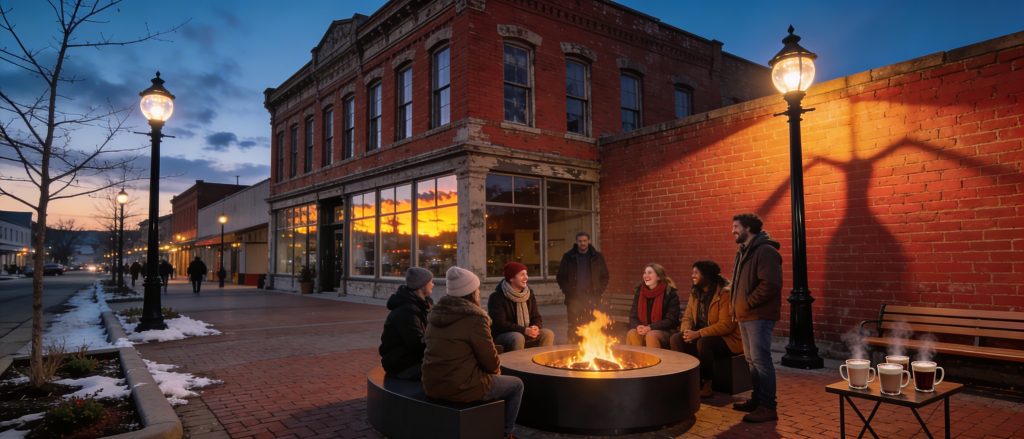
Successful small town Winter Cities projects tend to create comfortable micro-climates with windbreaks, overhead cover, benches, and small warming features like fire pits or portable heaters in key gather spots—Main Street corners, trailheads, or plazas. Local leaders also prioritize clearing and maintaining priority walk/bike routes where they have installed “human scale” lighting and practical, safe surfaces. If the City is going to plow the streets downtown, they can just as well clear the sidewalks!
Don’t say this out loud, but that’s just good for business if your young families and senior citizens can walk down Main Street without worrying about snow and ice.
Get Your Winter On
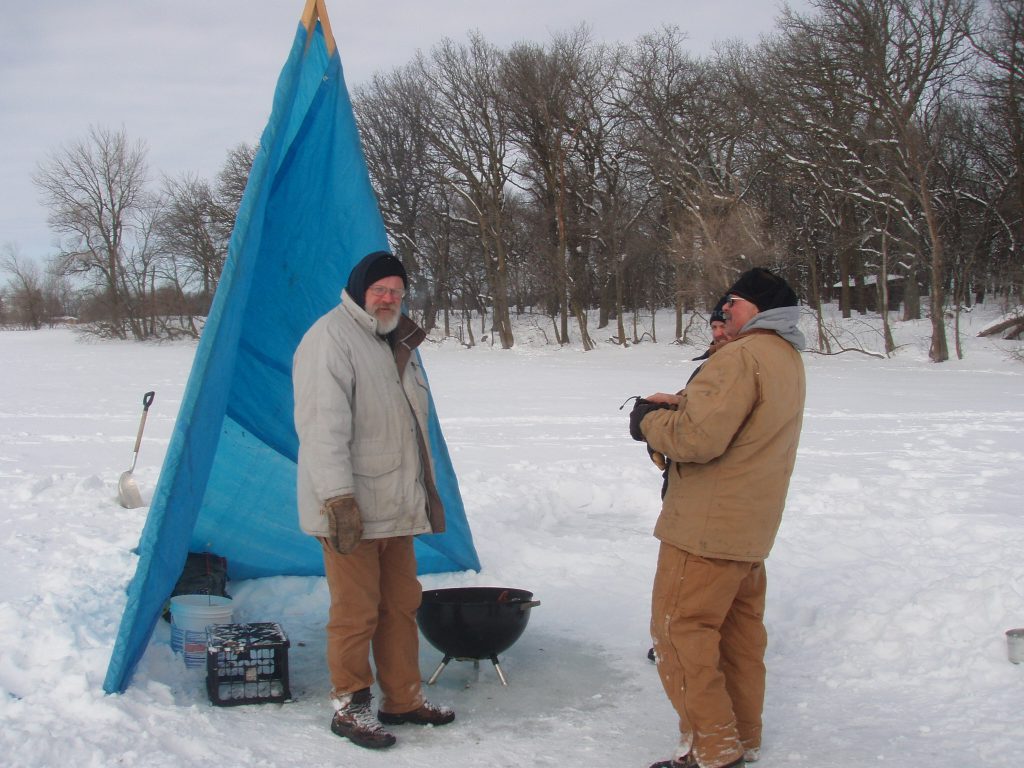
Placemaking for winter is one thing. Having things to do in the winter is another. Extension resources, for example, suggest winter festivals, potlucks, and library or school programs are crucial for combating isolation in small rural communities, turning winter into a season of intentional gathering.
While common in Europe and larger cities in the States, he idea of bringing Holiday Markets to life on Small Town Main Streets is almost old hat these days. February is a great time, though, to get ready for next Fall’s holiday season. Take a look down Main Street now after the holiday lights are taken down and the snow (if you’re lucky to have any) is turning gray. What can we get ready to do to bring your hometown back to life next winter? Treat the Winter of 2026 as your next community improvement pilot project.
Winter Cities aren’t really a new idea. Our founding fathers and mothers made the best of what they had to work with all year round. Today we can continue that tradition by designing our towns for winter comfort, connecting year-round routes and building a winter culture through modest projets and our strong volunteer networks.
Find your Winter coalition of the willing now and see what you can do.