
Diary of Orrin Brown, Savannah, Georgia
Monday–Dec. 26th
It commenced raining last night about 7 Oclock and it rained very hard for an hour or two then slacked up a little but rained all the fore part of the night & we got up this morning and found ourselves in a miserable mudhole, it continued cloudy all day. We had to clean up our guns today for review. The mail comes in every day but I have got none yet. Read 4 Chapt. in Testament today.
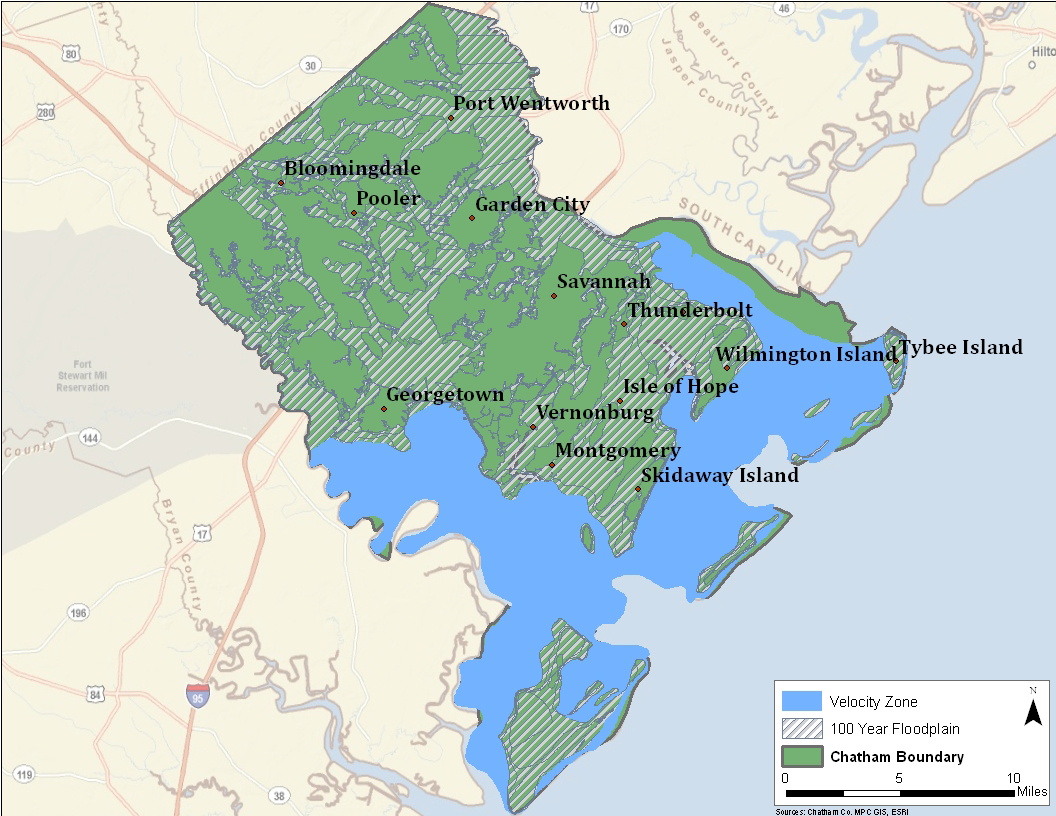
Savannah was sited in 1733, by colonists led by James Edward Oglethorpe, about 20 miles from the Atlantic Ocean in a low-lying area prone to flooding. This is good if you’re growing rice, but not so good for human habitation. The area has a humid subtropical climate—temperatures seldom reach freezing, although night times can dive as low as 20 °F—with about 50″ of rain a year.
The city, an outstanding example of eighteenth-century town planning in North America. was laid out on a modest bluff above the Savannah River, but surrounded by marshes, tidal creeks, and low islands that sat only a few feet above sea level, so heavy rains or storm tides easily pushed water across the landscape. To the south and west stretched flat coastal plain soils—sandy and alluvial, with back‑swamps and cypress bottoms—that could be diked and drained for plantations but stayed waterlogged or muddy in wet seasons.
The main channel of the Savannah River, its side channels, and adjacent tidal wetlands created a broad estuarine zone where plantation owners put slaves to work building rice fields behind earthen embankments, using the daily rise and fall of the tide to flood and drain the crop. Periodic epidemics and flood‑related contamination of shallow wells and cisterns underscored the tension in Savannah’s setting: excellent soils, water, and climate for export agriculture, but persistent risks for the people forced to live and work in that environment.
Read More:
- The Oglethorpe Plan: Enlightenment Design in Savannah and Beyond by Thomas D. Wilson (Univ. Virginia Press, 2015)
- Saving Savannah: The City and the Civil War by Jacqueline Jones (Knopf, 2008)
- The March to the Sea and Beyond: Sherman’s Troops in the Savannah and Carolinas Campaigns by Joseph T. Glatthaar (New York University Press, 1985)
- Fierce Patriot: The Tangled Lives of William Tecumseh Sherman by Robert L. O’Connell (Random House, 2014)
- The Memoirs Of General William T. Sherman by W.T. Sherman (Library of America, 1990)
(As an Amazon Associate, we may earn commissions from qualifying purchases. Check your local library or bookshop, too.).