
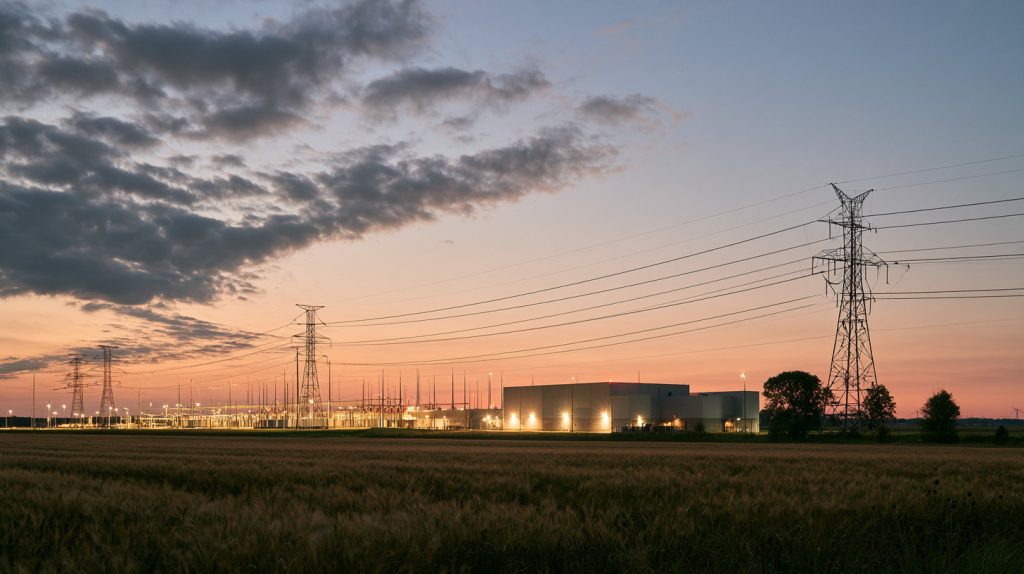
The mid-term elections have been called the “data center” election, or should I say the “anti-data center” election. If you don’t remember SkyNet, it’s time to go watch the Terminator movies again.
Exit polls indicate data centers were a major factor for over half of voters across the United States. Recent polls indicate three-quarters of Americans oppose having a data center in their own community. Across the US, about 44 ballot measures restricting data centers won the night. Only one lost, at Harwood, outside Fargo, North Dakota, which previously approved a 280 megawatt Applied Digital campus.
I grew up in and around Fargo. Harwood is the exception that proves the rule. People move out of Fargo so they don’t have a thick book of rules to follow, and they don’t expect others to follow them either. Elections are about what we want for our own home town’s future.
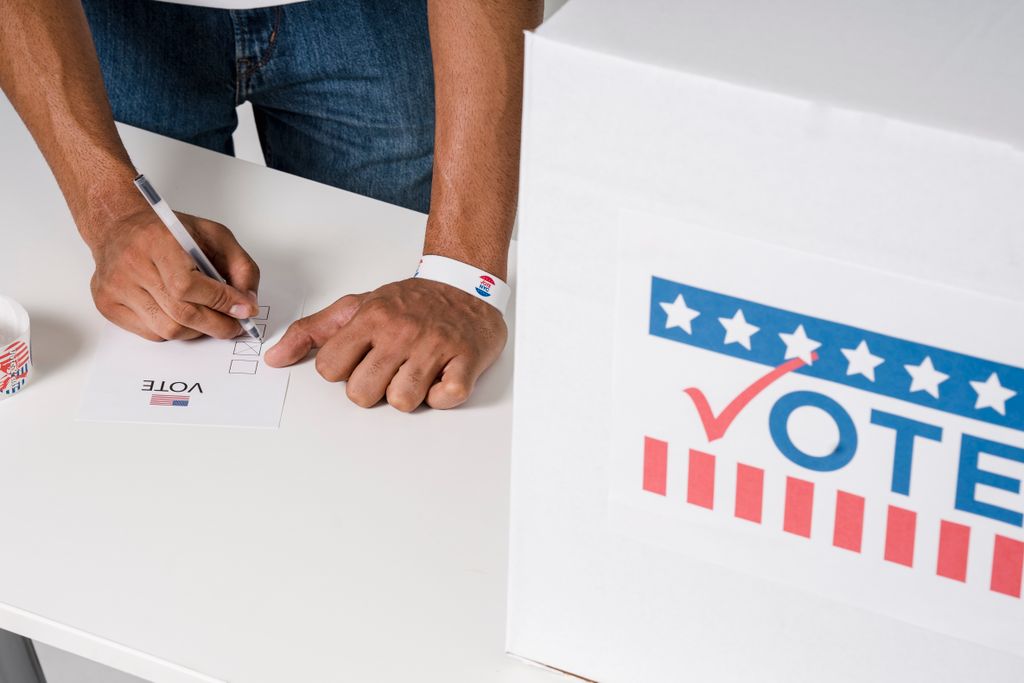
What do the election results mean for my small town?
As Heatmap news among others has reported, the mid-term election was in many ways a rebuke of the status quo. People are not happy with inflation and the cost of living. And they are frustrated with Big Tech moving fast and breaking things.
Many of the ballot measures were grouped in Ohio, where there are about 275 data centers operating, under construction, or planned, according to Cleanview research. Virginia has over 850 data centers in those three phases, Texas has over 780, and Pennsylvania (with only a hand full operating) is projected to over 300 buildings all told.
If you are outside of those states, you probably have some breathing room to get prepared. Though if your local utility has power or natural gas to spare, maybe not so much time as that. Cleanview is tracking over 2,500 projects in process, and announced doesn’t mean vested. As Roy Wells wrote last week after the election:
For public officials, the message is clear: claims about investment, jobs, infrastructure, and economic development will be closely scrutinized by a public with established opinions. Developers face similar challenges, as projects may encounter difficulties before the public reviews site plans, environmental studies, or detailed project benefits.
Some newly-elected state leaders, including Gina Hinojosa in Texas, Amy Acton in Ohio, Keisha Lance Bottoms in Georgia; Deb Haaland in New Mexico, and others have called for a pause on new data center development, mostly to allow state legislators to weigh in on the matter. Many communities have instituted moratoria, which is temporary relief to review and draft regulations. Some utilities have adopted power caps (or simply don’t have capacity to serve).
Data centers, energy generation, and transmission projects are already at the center of the Lame Duck session of the US Congress. Although several newly-elected US Senators campaigned on reigning in data center development, many focused even more on affordability and getting energy projects done, renewable or not. The Senate has passed procedural motions to consider a permitting reform bill, which will include nation-wide requirements for data centers to pay their own way, but also guts community engagement and consultation with the intention of speeding up new transmission lines and other large projects. The bill, known as BAAJA, is worth watching.
Coming next: When a Data Center comes to Town
Read More
- The Rural Energy Revolution 2026: Data Centers, Demand, and the Question of Who Pays (October 2026)
- Data centers are now the defining rural land use fight (September 2026)
- A Good Effort, Not Yet a Good Law: Reading the Senate’s Permitting Bill Before Monday’s Vote (7 November 2026) on the proposed Bipartisan American Affordability and Jobs Act of 2026 or BAAJA bill
- Data Center Planning Resources for EDDs & RDOs, NADO National Association of Development Organizations (August 2026)
- Helping Communities Understand the Data Center Boom, NLC National League of Cities (October 2025)
The Daily Yonder reports from their rural perspective today:
Data Centers Loomed Large Over the 2026 Midterms. Did Their Presence Make a Difference in How Voters Cast Their Ballots?
Texas, Ohio, and Georgia all flipped party control. But in rural counties, the effect of local data centers was mixed.