

I’ve been asked, “What’s the first thing my small town should do to kick start economic development?”
Good question.
First thing, ask yourself what you mean by “economic development”. Fifty years ago, that might have meant raising money and giving away tax incentives. A lot of places still live in that world, and sometimes you win that game of poker and bring some jobs to town.
I don’t gamble, myself.
When I say, “economic development”, I’m talking about developing your local economy. I’m talking about creating a place where people want to live and where they can make a living; a place where people are confident in investing their hopes, dreams, and hard-earned capital; a place where existing businesses can expand and entrepreneurs are confident in trying new ideas.
Next thing, ask yourself why you want to take on this task? I’m guessing if you got this far, you do really care for your hometown and want to help. But why would anybody else join you in this effort? Does it mean you have to form a committee and hold meetings with an agenda at town hall?
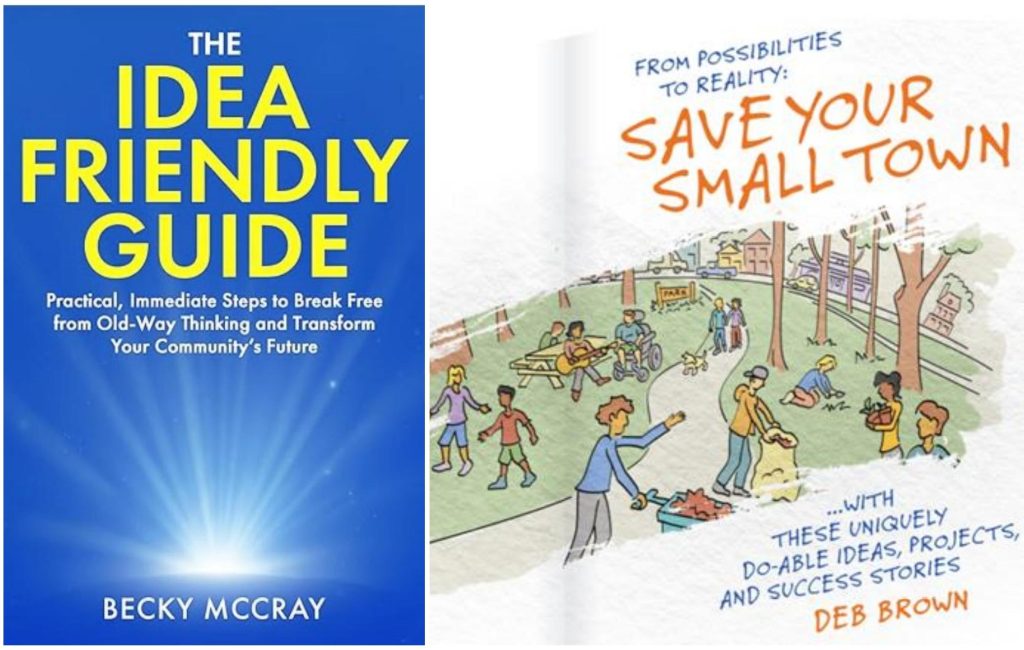
Well, you could. Or you could take a cue from Becky McCray and Deb Brown of SaveYour.Town and their Idea Friendly Method. Becky has a book by that name, The Idea Friendly Guide, that’s a handy little guide to putting ideas into action. Deb Brown has a guidebook that’s awful handy, too, called From Possibilities to Reality: Save Your Small Town. I’m not getting a cut—I just wish I could write something half as useful.
Hint: Pick an idea, gather a coalition of the willing, try that idea and see how it goes. Then try another idea.
Now, I am a planner by training and economic developer by trade, so I like plans. Most people like action, so don’t necessarily jump to a plan. Trying out a couple small ideas builds momentum.
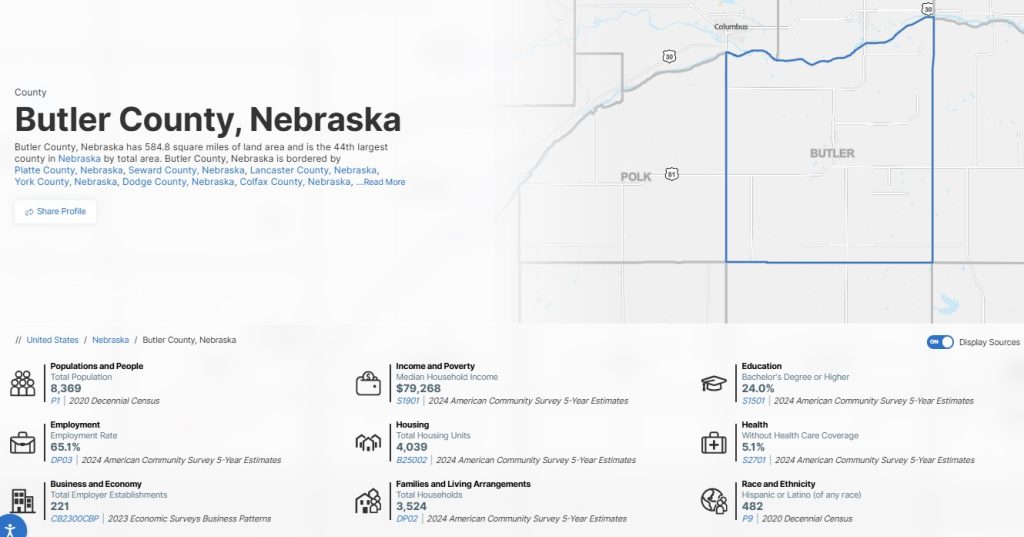
Then you’re ready to better understand how your community functions in the regional and national economy. As a fan of asset-based development (how’s that for academic jargon?), I would start here with a simple list of your local economic assets.
- What are your actual population trends over the last few decades? Are more people being born than die? Do more move in or move out?
- How many people are in your county’s labor force, how many are employed and unemployed, what’s your unemployment rate?
- How many jobs are there in your city or county (smaller places have less data unfortunately), in what industries?
- What attractions and historic resources do you have that people come and visit? That’s a basis for growth and development.
We call that asset inventory and mapping.
Now I can get lost for days for the US Census website. If you’re not a fan of maps and spreadsheets and databases, the world of data dashboards makes finding some of this information a bit easier. For example, the CORI Economic Development Tool tracks 25 critical indicators to help rural communities. I’ve also used Headwaters Economics’ Economic Profile System (EPS), a free, easy-to-use app with features for both experts and the rest of us.
There are more easy data sources out there—check with your state’s Extension Service or state economic development website, they may have what you need right there. There are also regional economic development districts across most of the US who often can help.
The important thing is:
- Know what you want to get done.
- Focus on action, not anybody else’s agenda.
- Get to know the territory.
Then go back and build on what you’ve done. Find your people.
You can do it. And don’t be afraid to ask for help.