

Rural innovation doesn’t always look like flashy tech hubs or billion-dollar startups. More often, it takes the form of community-driven projects that reimagine local spaces, harness cultural assets, and strengthen social and economic connections.
From Main Street revitalization to broadband expansion, from creative placemaking to cross-sector collaboration, small towns are proving that innovation in economic development is as much about people as it is about technology. It’s about finding new ways to use old buildings, blending tradition with modern tools, and working together to solve challenges that no single business or agency can tackle alone.
In this article, we’ll explore how small town innovation and community-based development are reshaping rural America. We’ll highlight strategies like historic district renewal, arts and culture as economic engines, digital infrastructure investment, and collaborative leadership models. Each approach reflects the same underlying truth: resilience grows when communities build from the ground up.

Main Street Revitalization
In many rural towns, historic Main Streets are more than just commercial corridors—they’re cultural landmarks and symbols of local identity. When Main Street thrives, it signals vitality; when it declines, it can cast a shadow over the entire community. Revitalization efforts are therefore not only about economics, but also about restoring civic pride and reinforcing a sense of place.
Key strategies for revitalizing Main Street include:
- Restoring Historic Buildings – Investing in façade improvements, adaptive reuse, and preservation of historic architecture creates an attractive downtown that draws both locals and visitors.
- Encouraging Local Ownership – Supporting independent businesses keeps profits circulating locally and helps differentiate small-town downtowns from generic retail landscapes.
- Inclusive Development – Prioritizing a wide variety of businesses and business owners ensures revitalization benefits are broad-based, reducing inequities and expanding opportunity.
- Placemaking & Events – Hosting farmers markets, festivals, and street performances turns Main Street into a vibrant gathering place that strengthens community connection.
Main Street programs often act as catalysts for broader revitalization. By coordinating local stakeholders, providing technical assistance, and securing funding, they help towns align physical improvements with business development and community engagement.

Case Example: Emporia, Kansas
Like may small towns across the US and Canada, the historic Main Street of Emporia, Kansas—Commercial Street, also Kansas Highway 99—had long suffered from disinvestment and empty storefronts. Through participation in the Main Street America program, the city launched Emporia Main Street, a coordinated revitalization effort that blended historic preservation with business support.
The program offered façade improvement grants, helped entrepreneurs navigate financing, and organized downtown events to drive foot traffic. Over time, dozens of historic buildings have been restored, vacancy rates dropped, and new small businesses—including several women- and minority-owned shops—took root.
As a result, Emporia’s Main Street once again became a hub of community life, attracting both residents and visitors. While the local economy has taken hits in manufacturing jobs, the college town’s downtown is giving local residents options. Emporia was even chosen the No. 2 Best Main Street in America by readers of USA Today this year. Revitalization has boosted local employment, increased property values, and enhanced civic pride—proving that Main Street, when nurtured, can anchor long-term rural resilience.
Lesson: Revitalizing Main Street is about more than fixing buildings; it’s about reweaving the social and economic fabric of a town. By combining preservation with entrepreneurship and inclusivity, small towns can turn historic districts into engines of renewal.

Creative Placemaking & the Rural Creative Economy
For rural towns, arts and culture are more than aesthetic additions—they’re powerful economic engines. Creative placemaking is the practice of using arts, heritage, and recreation to strengthen communities, attract investment, and inspire civic pride. In small towns, this often means murals brightening empty walls, festivals drawing crowds to historic squares, or theaters transforming abandoned buildings into vibrant cultural anchors.
Why the creative economy matters in rural places:
- Attracting Visitors and Talent – Cultural amenities draw tourists and help recruit new residents, including young families and retirees seeking vibrant community life.
- Diversifying Local Economies – Festivals, galleries, and performance venues generate direct revenue and support local businesses like restaurants, lodging, and retail.
- Strengthening Identity – By celebrating local history, traditions, and landscapes, arts initiatives reinforce a community’s unique sense of place.
- Catalyzing Revitalization – Cultural projects often activate underused spaces, breathe new life into Main Streets, and spark broader economic renewal.
Creative placemaking works best when it’s rooted in local identity—when projects reflect the people, traditions, and environment of the community rather than importing a generic model.
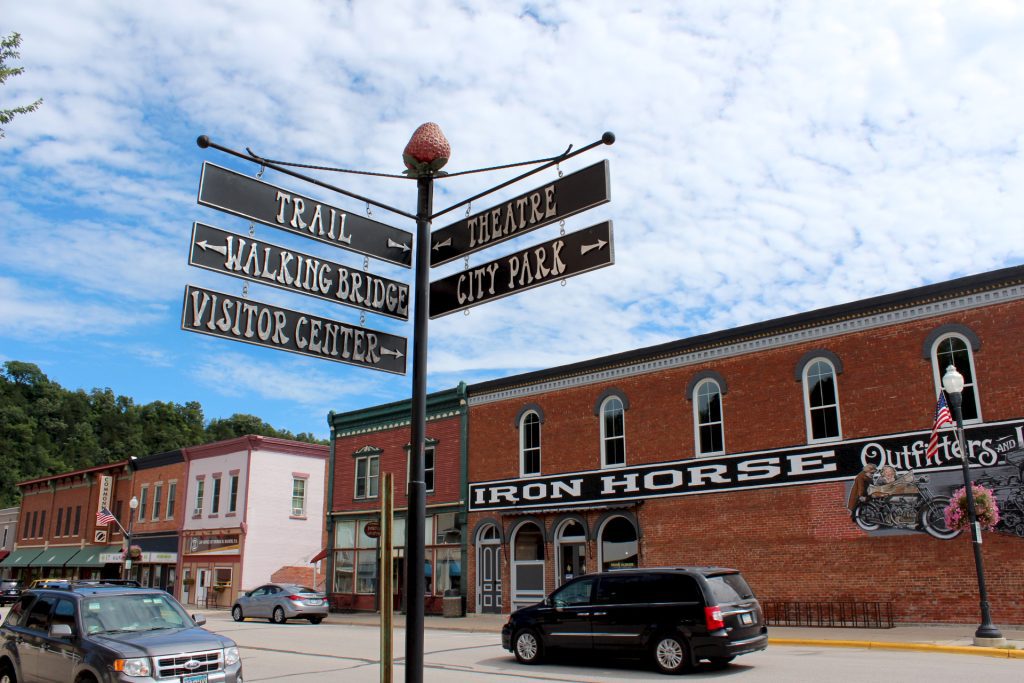
Case Example: Lanesboro, Minnesota
Once a declining farm town in southeastern Minnesota, Lanesboro reinvented itself by embracing the arts and outdoor recreation. The town launched the Lanesboro Arts Campus initiative, which transformed its historic downtown into a hub of galleries, public art, and performance venues. At the same time, the Root River Trail, a 60-mile biking and hiking path, brought thousands of visitors each year.
The combination of cultural programming and outdoor recreation turned Lanesboro into a nationally recognized arts destination. Local businesses—from cafés to bed-and-breakfasts—benefited from increased tourism, and the community developed a strong reputation as a creative, welcoming place to live.
Today, Lanesboro is frequently cited as a model of rural creative placemaking. Its experience shows how small towns can leverage local talent and natural assets to spark both economic growth and social vitality.
Lesson: Arts and culture aren’t luxuries—they are strategic investments in resilience. When small towns put creativity at the center of development, they create communities that are both economically competitive and deeply connected to their roots.

Broadband & Digital Infrastructure
In today’s economy, broadband is as essential as electricity or clean water. Without reliable internet access, rural communities risk being excluded from opportunities in education, healthcare, business, and civic life. Entrepreneurs struggle to sell products online, students can’t access remote learning, and families are cut off from telehealth options that are increasingly vital in areas with few local providers.
The role of broadband in rural resilience:
- Enabling Business Growth – Rural entrepreneurs can sell to global markets, offer remote services, and adopt digital tools to scale their businesses.
- Supporting Workforce Development – Broadband allows residents to pursue online training, certifications, and higher education, broadening local skillsets.
- Expanding Employment Options – Remote work opportunities mean residents no longer need to leave their towns to find high-quality jobs.
- Improving Quality of Life – Telehealth, streaming services, and digital connection reduce the isolation that often challenges rural areas.
The digital divide remains a major barrier: many rural areas still lack affordable, high-speed service, leaving them at a structural disadvantage. Federal and state initiatives like the BEAD program (Broadband Equity, Access, and Deployment) are critical, even with recent setbacks, but local leadership and innovation often make the difference in whether rural communities actually get connected.

Case Example: Wilson, North Carolina
When large providers failed to deliver high-speed internet to Wilson, North Carolina, the city of under 50,000 residents took matters into its own hands. They built Greenlight Community Broadband, a municipally owned fiber-optic network that now provides some of the fastest internet in the state at affordable rates.
The results have been transformative:
- Local businesses gained reliable digital tools to compete in regional and global markets.
- The school district ensured students had access to online learning, narrowing the homework gap.
- Wilson attracted tech entrepreneurs and remote workers who might otherwise have bypassed the community.
Wilson’s bold step shows how infrastructure can drive innovation and resilience. By treating broadband as a public utility rather than a luxury, the city empowered its residents and businesses to fully participate in the digital economy.
Lesson: Rural communities cannot afford to wait for outside providers. Investing in broadband is an investment in every sector of the local economy—from schools and hospitals to Main Street shops and home-based entrepreneurs.

Innovation Hubs & Ecosystem Building
Rural entrepreneurs often face a paradox: they have great ideas but limited access to the resources, networks, and infrastructure needed to bring them to life. Innovation hubs and ecosystem-building initiatives help bridge this gap by creating spaces and support systems where collaboration, creativity, and business growth can flourish. While more common in urban areas, rural innovation hubs across the US.
Key elements of rural innovation hubs include:
- Shared Workspaces – Co-working spaces, makerspaces, and incubators reduce startup costs and provide access to professional facilities otherwise out of reach.
- Mentorship & Networking – Entrepreneurs gain connections to experienced business leaders, investors, and regional or national networks.
- Training & Resources – Workshops, accelerators, and technical assistance build capacity and sharpen competitive edges.
- Collaboration Across Sectors – Innovation hubs often bring together local businesses, schools, nonprofits, and government agencies to pool resources and align goals.
Last year, The Daily Yonder highlighted rural universities experimenting with Innovation Hubs. “It’s a different type of innovation happening in rural areas, one that hasn’t been fully tapped yet,” stated one dean at Longwood University in Virginia, “a kind of farm sense, like a ‘MacGyverism’ that emerges out of necessity.” While not necessarily a new idea, economic development advocates continue to evaluate and improve these entrepreneurial initiatives.
Beyond the physical spaces, the real strength of innovation hubs lies in ecosystem building: fostering relationships and trust between entrepreneurs, institutions, and the wider community. In rural settings, where resources are limited, this kind of collaboration is not optional—it’s essential.
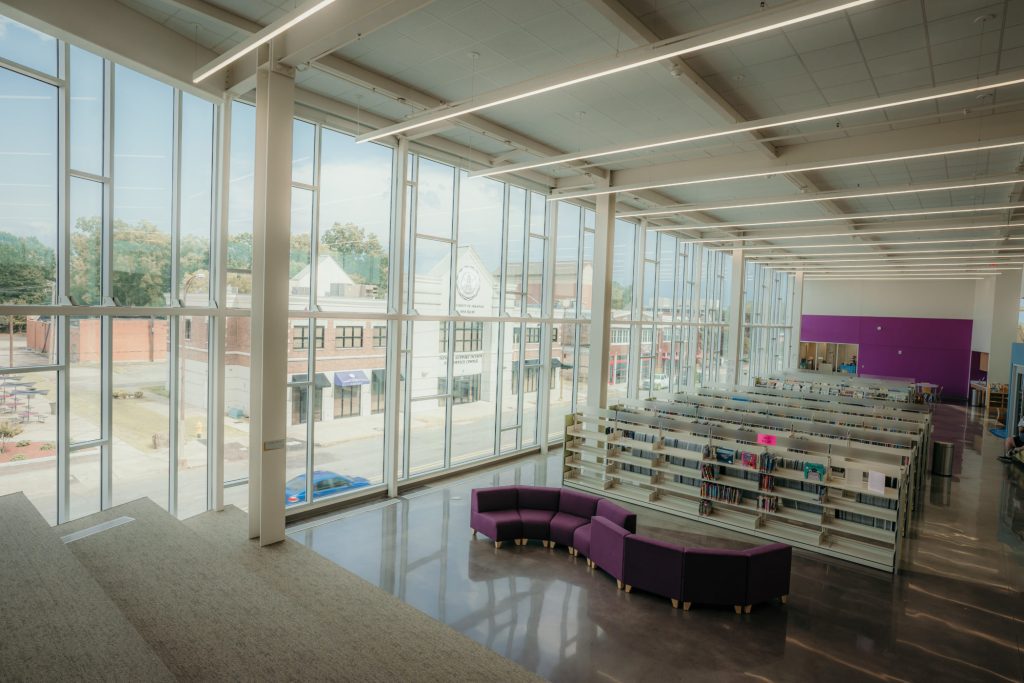
Case Example: The Innovation Hub, Pine Bluff, Arkansas
Pine Bluff, a small city of about 40,000 in southeast Arkansas, faced economic decline after years of disinvestment. The county seat of Jefferson County, founded in 1819 as a trading post, thrived as a regional center before facing the decline of industry in the late 20th century. In response, local leaders have partnered with the Delta Regional Authority and nonprofit organizations to create The Generator: Pine Bluff Innovation Hub. As noted by CORI, “In June 2017, a modest sales tax increase passed to fund the implementation of the GFPB plan’s recommendations, which included an innovation hub to make the city and the region an economic engine for southeast Arkansas.” The facility powered by Go Forward Pine Bluff serves as a hub for innovation and business development in the area
The Hub provides:
- A co-working space for entrepreneurs and freelancers.
- A makerspace with 3D printers, woodworking tools, and design labs.
- Training programs in coding, digital design, and advanced manufacturing.
- Youth engagement initiatives that connect students with hands-on learning and career pathways.
By linking local entrepreneurs to state and national networks, the Pine Bluff Innovation Hub has become a catalyst for renewal. It not only supports new businesses but also empowers residents with the skills and tools needed to compete in a changing economy.
Lesson: Innovation hubs in rural areas are more than buildings—they are engines of possibility. By providing space, skills, and networks, they nurture both entrepreneurship and community resilience.

Collaborative Leadership & Partnerships
Rural innovation doesn’t happen in isolation. It requires collaboration across sectors—local governments, nonprofits, schools, businesses, and residents all working together toward shared goals. Small towns often lack the financial or institutional capacity of larger cities, but by pooling resources and building partnerships, they can tackle challenges that no single entity could solve alone. Collaborative leaders weave together the strengths of their people, institutions, and community groups into a shared agenda to get things done.
Core elements of collaborative leadership in rural communities include:
- Cross-Sector Coalitions – Bringing together chambers of commerce, civic groups, health providers, and schools to align economic and social priorities.
- Regional Cooperation – Neighboring towns working together on shared assets, like workforce programs, industrial parks, or trail systems.
- Public-Private Partnerships – Leveraging business investment with government support to maximize local impact.
- Inclusive Engagement – Ensuring diverse voices—youth, minority entrepreneurs, long-time residents—are included in decision-making.
Partnerships and trust-building are not just “nice to have”—in many cases, they’re prerequisites for accessing outside resources. State and federal grants increasingly prioritize applications that demonstrate regional cooperation, cross-sector collaboration, and inclusive engagement. The more partners at the table, the stronger the community’s case for outside investment.

Case Example: North Carolina’s Rural Center
For more than 35 years, the North Carolina Rural Center has served as a model of collaborative leadership. The organization’s mission is to develop, promote, and implement sound economic strategies to improve the quality of life of rural North Carolinians. Operating statewide, it supports rural communities through programs in entrepreneurship, infrastructure, and leadership development.
Key initiatives include:
- Leadership Training Programs that prepare local officials, nonprofit leaders, and entrepreneurs to work across sectors on community challenges.
- Small Business Support Networks that connect local firms with capital, mentorship, and statewide resources.
- Capacity-Building Grants that reward communities demonstrating inclusive and collaborative approaches.
The Rural Center has shown that innovation isn’t just about new technologies or industries—it’s about building leadership capacity. By equipping communities with the skills and structures for collaboration, it helps ensure that local projects succeed and remain sustainable over the long term.
Lesson: Rural resilience depends as much on leadership as it does on investment. When small towns cultivate leaders who collaborate across boundaries, they create the foundation for sustainable, community-driven innovation.
The Idea-Friendly Method
Becky McCray & Deb Brown are practical people who practice what they preach. They live and work in small town-rural America and they work with people who live and work in small towns & rural areas across the country. Among the many things they do, they talk about The Idea-Friendly Method of collaboration in local economic development. “Small towns that are open to new ideas will be the best positioned to thrive no matter what change comes their way.”
They offer three steps in that direction:
- Gather Your Crowd – Talk to people about your ideas.
- Build Connections – Turn your crowd of people into a flexible network of the willing.
- Take Small Steps – Try something doable, make it easier to fail (and learn) then try something else. Rinse and repeat.
Deb put her ideas into a book. Becky is working on another book. It’s your job to turn these ideas into action.

Practical Takeaways for Planners & Policymakers
While small town innovation often begins with grassroots energy, planners and policymakers play a critical role in creating the conditions for success. Supporting innovation isn’t about imposing solutions—it’s about aligning policies, funding, and technical support with community-led visions.
Key actions include:
- Zoning & Land Use Flexibility – Allow adaptive reuse of historic buildings, pop-up markets, and mixed-use developments to foster revitalization.
- Targeted Grantmaking – Direct resources toward creative placemaking, broadband expansion, and innovation hubs that show strong community support.
- Capacity Building – Provide leadership training, technical assistance, and planning resources to help local groups manage projects effectively.
- Regional Partnerships – Encourage collaboration between neighboring towns to pool resources for broadband, tourism, or workforce development.
- Equity & Inclusion – Even in our current national political environment, revitalization efforts will be more successful when intentionally supporting all locally-rooted enterprises.
Lesson: The most resilient rural communities are those where bottom-up creativity is matched with top-down support. Planners and policymakers who champion inclusive, flexible, and community-driven strategies can help small towns transform innovation into long-term resilience.

Looking Ahead
Small town innovation shows that resilience is not about replicating urban models—it’s about leveraging local strengths in creative, collaborative ways. From Main Street revitalization to digital infrastructure, from arts-driven placemaking to innovation hubs, rural communities are proving that the future belongs to those who adapt with purpose and imagination.
The common thread across all these strategies is people-powered development. Buildings can be restored, broadband lines can be laid, and grants can be secured—but without community leadership and engagement, those investments rarely endure. What sets successful small towns apart is their ability to combine local pride, inclusive partnerships, and a willingness to innovate.
As we close this chapter on our theme of economic resilience, it’s clear that rural America’s story is not one of decline, but of reinvention. Communities are rewriting their futures—one storefront, one mural, one fiber-optic line, and one partnership at a time.
In our next and final article of this series with a bonus 5th week of August, we’ll widen the lens to look northward. Canada’s approach to rural resilience offers valuable lessons on diversification, infrastructure, and policy innovation that can inform small towns across North America. Together, these cross-border perspectives reveal a deeper truth: while each community’s path is unique, the principles of resilience—diversity, innovation, and collaboration—are universal.

Read More: Small Town Innovation & Community-Based Development
Want to explore more about how creativity, infrastructure, and collaboration can drive rural resilience? These resources provide inspiration and practical guidance for turning ideas into action.
Recommended Reads
- Main Street’s Comeback: And How It Can Come Back Again – Mary Means
Dubbed the “Queen of Main Street”, Mary Means led the team that created the National Main Street Center and its unique approach to local, place-based economic development. - How to Do Creative Placemaking: An Action-Oriented Guide to Arts in Community Development (PDF), National Endowment for the Arts. www.arts.gov
Discusses best practices in rural placemaking, equity, and inclusive community development. - “Creative Placemaking: Arts and Culture as a Partner in Community Revitalization” by Tom Borrup, PDF Chapter in Fundamentals of Arts Management, University of Massachusetts. creativecommunitybuilders.com
A guide to using arts and cultural resources as drivers of local economic transformation. - Farm Fresh Broadband: The Politics of Rural Connectivity – Christopher Ali
An analysis and critique of US rural broadband policy circa 2021. - From Possibilities to Reality: Save Your Small Town – Deb Brown
Practical, proven ideas for sparking entrepreneurship and community renewal. Our JC Shepard.com review here. - Living Off Grid: 50 Steps to Unplug, Become Self-Sufficient, and Build the Homestead of Your Dreams – Ryan Mitchell (Island Press, publishing September 4, 2025)
A practical guide to the Off-Grid Mindset, creating an action plan, and making the dream a reality.
Reports & Policy Resources
- Main Street America – Resources, case studies, and toolkits for downtown revitalization. mainstreet.org
- National Endowment for the Arts – Federal insights and case studies on integrating arts into local development. arts.gov
- USDA Infrastructure Broadband programs – Resources for rural broadband development (for now) www.usda.gov
- Broadband Equity, Access, and Deployment (BEAD) Program – Federal funding for rural broadband expansion. internetforall.gov
- The Rural Center (NC) – Leadership development and entrepreneurship support in rural communities. ncruralcenter.org
- Center on Rural Innovation (CORI) – Data, case studies, and support for rural innovation ecosystems. ruralinnovation.us
- Institute for Local Self-Reliance (ILSR) – Research and strategies for local ownership and economic independence. ilsr.org
- Creative Placemaking Communities – An online network sharing tools and stories of arts-driven community development. cpcommunities.org
Keep shaping. Keep sharing.
Every mural, broadband line, and partnership tells the story of a resilient rural future.
Looking for more insights? These resources offer a starting point for anyone working to strengthen policy that works for rural communities—whether you’re a planner, council member, or community leader.
The Best Books for Rural Development and Planning in 2025
(As an Amazon Associate, we may earn commissions from qualifying purchases. Check your local library or bookshop, too.)