
This is Part Three in our series on Conservation and the Great Outdoors: Exploring how small towns and gateway communities are building sustainable outdoor economies that serve both people and place.
As outdoor recreation grows in popularity across the U.S., small towns near natural landmarks face both new opportunities and familiar pressures. The promise of economic growth through nature-based tourism is real—but so are the risks of displacement, rising costs, development pressure on working lands, and loss of community identity.
This article explores how gateway communities can harness the outdoor economy to support rural economic development—without becoming tourist traps. We’ll look at well-known successes, highlight innovative approaches in less familiar places, and offer actionable strategies to help your small town grow sustainably while protecting what makes it special.
Gateway Communities: Opportunity Meets Risk
Tourism can be a powerful engine for rural revitalization, but when it’s disconnected from community planning, it often creates more problems than it solves. Think inflated housing costs, sprawl eating up farms and ranches, seasonal employment gaps, and a hollowed-out sense of local culture.
That’s why gateway communities—small towns located near national parks, forests, or major recreation destinations—must approach outdoor recreation planning with care. While the temptation to chase fast tourism dollars is strong, true sustainable development depends on long-term thinking, local leadership, and respect for both people and place.
Towns like Moab, Utah and Bozeman, Montana have built vibrant small town outdoor economies by connecting their natural surroundings with local identity. But they also face the downside of popularity—rising inequality, infrastructure strain, and the challenge of maintaining housing for full-time residents.
Smart planning, inclusive community engagement, and a strong link between conservation and commerce are key to unlocking the benefits of the outdoor economy—while avoiding its pitfalls.

Bozeman, Montana – Outdoor Appeal Meets Rapid Rural Growth
Bozeman, Montana—once a quiet cow town nestled in the Gallatin Valley—has grown into one of the most prominent gateway communities in the Northern Rockies. As the primary urban hub for Yellowstone National Park and Big Sky Ski Resort, Bozeman plays a central role in the small town outdoor economy of southwest Montana.
From gold-medal fly fishing to backcountry hiking, the area is rich with natural amenities that attract visitors, remote workers, and new residents alike. The region’s popularity has fueled a boom in outdoor recreation planning, technology startups, and higher education—thanks in part to Montana State University. Local leaders have taken the initiative to conserve open lands for future generations. For example, the Gallatin Valley Land Trust has helped conserve over 74,000 acres of land in Gallatin, Madison, and Park counties through partnerships with private landowners, using voluntary conservation agreements. Public-private partnerships have also built and expanded miles of trails connecting the city to the mountains and valley. Long-term efforts try to help farmers and ranchers who want to stay on the land to do so.
Yet with success comes strain. Gallatin County’s population surged past 120,000, and Bozeman crossed 50,000 residents in the 2020 Census—just shy of Metropolitan Statistical Area status. The rapid growth has driven housing prices sharply upward, outpacing local incomes and creating challenges for year-round workers, students, and longtime residents. The City is actively pursuing affordable housing initiatives, including an updated Affordable Housing Ordinance (AHO), new construction projects, and partnerships with non-profit organizations.
Lesson Learned: Plan for Growth Early—Not Just for Visitors, But for Locals
Bozeman’s story illustrates a critical insight for any rural town investing in sustainable, nature-based development: popularity without preparation can price out the very people who built the community. If your town is pursuing rural economic development through recreation, it’s essential to pair investment in tourism infrastructure with proactive housing, transit, and zoning strategies that ensure residents remain at the heart of the place. Put the comprehensive plan to work.
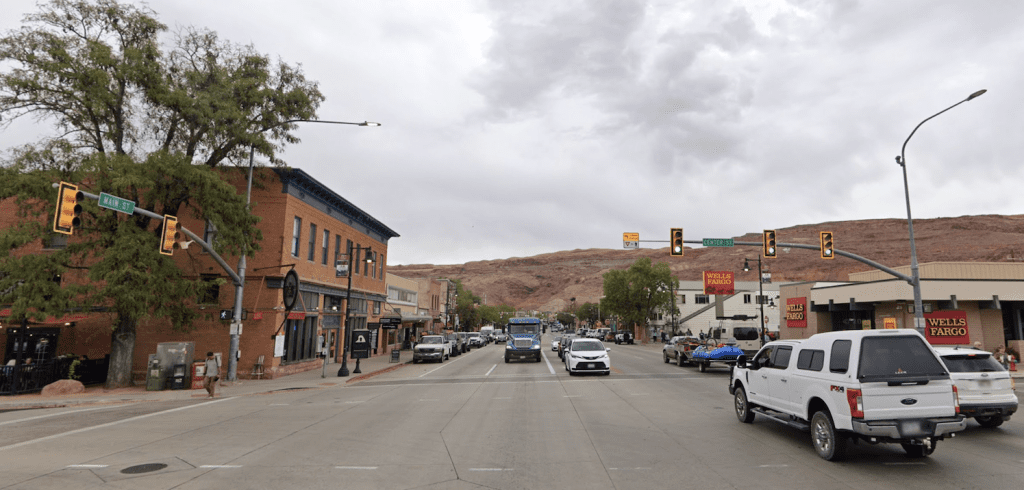
Moab, Utah – Managing Tourism in a High-Pressure Gateway Community
Moab, Utah, with just over 5,000 year-round residents, sits at the threshold of some of the American West’s most iconic landscapes. As a gateway to Arches and Canyonlands National Parks, Dead Horse Point State Park, and millions of acres of BLM and Forest Service land, Moab is a textbook example of a gateway community shaped by outdoor recreation.
Once a uranium mining center, Moab has reinvented itself as a haven for mountain bikers, off-roaders, rock climbers, and desert wanderers. Its transformation into a recreation hub has driven a steady stream of economic activity—but also contributed to tensions building since Edward Abbey was a ranger at Arches years ago. Vacation home investment has soared. Housing prices have spiked. Service workers and longtime residents increasingly struggle to find affordable housing within city limits.
While tourism has been a key driver of rural economic development in the region, Moab’s experience shows that growth in visitation doesn’t automatically translate into long-term community benefits. The challenge lies in turning a recreation economy into a sustainable tourism model—one that supports the people who live and work there, not just those who pass through.
Lesson Learned: Don’t Let the Market Outpace the Mission
Moab’s journey underscores the need for intentional outdoor recreation planning in small town economies. Without coordinated policies around housing, land use, and short-term rentals, popular destinations risk becoming inaccessible to their own residents. Rural towns pursuing outdoor-based growth must act early to ensure their tourism success aligns with community well-being and long-term resilience.
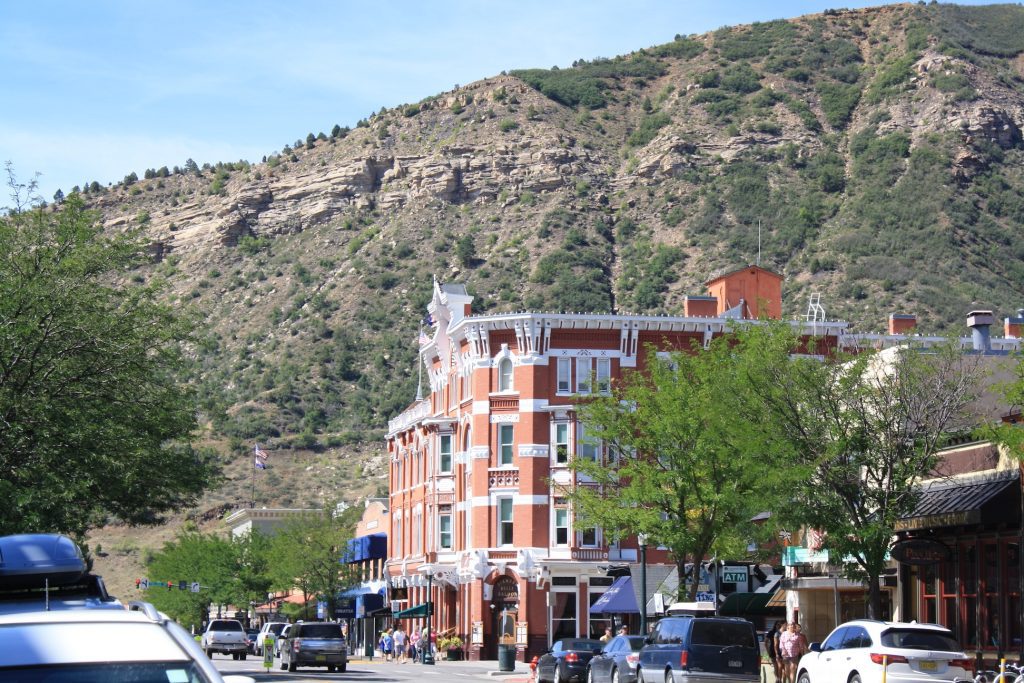
Durango, Colorado – Blending Heritage and Innovation in a Mountain Gateway
Durango, Colorado, is a historic mining town turned dynamic gateway community to the Four Corners region. Nestled in the Animas River Valley and surrounded by the San Juan Mountains, Durango serves as a jumping-off point to Mesa Verde National Park, Chimney Rock National Monument, and a network of trails and rivers that support a thriving outdoor recreation economy. Downtown is also home to the depot anchor of the Durango & Silverton Narrow Gauge Railroad.
The city’s economy, once based on mining and railroads, now includes sustainable tourism, higher education through Fort Lewis College, and a growing number of outdoor and tech startups. With a population of around 20,000 residents, Durango punches above its weight when it comes to cultural capital and entrepreneurial energy.
But success has brought its share of growing pains. Housing costs have risen steeply as the city becomes more attractive to remote workers, second-home buyers, and affluent tourists. While tourism has fueled rural economic development, it has also created challenges for local workers and families trying to stay rooted in the community. There are also conflicting priorities among local governments at the City of Durango, LaPlata County, the Southern Ute Indian Tribe, and other local municipalities. A lot of people move to the area because they just want to be left alone, yet protest when the next group follow them into the valley.
Durango exemplifies the complex trade-offs that come with transforming a scenic small town into a high-functioning outdoor destination. As well, local leaders are continuously trying new things to improve the area.
Lesson Learned: Protect Local Livability While Promoting Outdoor Growth
Durango’s experience demonstrates that outdoor recreation development must go hand in hand with investments in housing, transportation, and workforce infrastructure. As more small towns pursue tourism as a growth strategy, it’s essential to ensure that local people—not just visitors—can afford to live, work, and thrive in the communities they sustain.
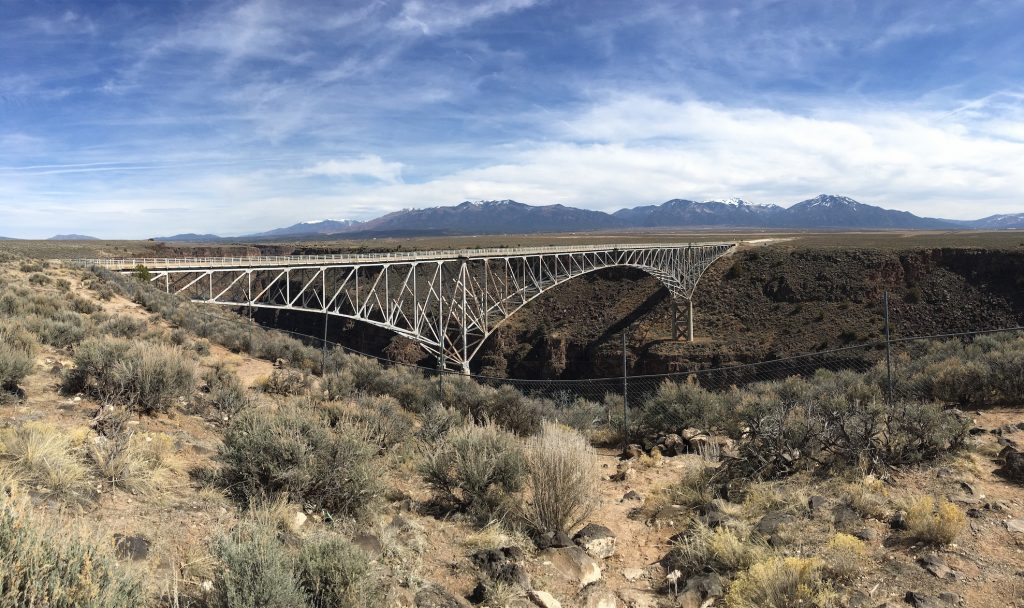
Taos, New Mexico – Culture, Conservation, and Conflict in a Historic Gateway
Taos, New Mexico, is one of the oldest continuously inhabited places in North America, home to the centuries-old Taos Pueblo and a cultural crossroads for Native, Hispanic, and Anglo traditions. As a gateway community to the Carson National Forest (named for pioneer Kit Carson), the Rio Grande del Norte National Monument, and multiple ski areas, Taos has long balanced its deep historical roots with the economic promise of outdoor recreation.
With just over 6,000 residents, Taos punches above its weight as both an arts and recreation destination. The surrounding landscape draws skiers, hikers, anglers, and spiritual seekers—while the town’s creative scene, shaped by early 20th-century artists and writers, remains a pillar of local identity.
Lesson Learned: Be True to Who You Are, not What People Want You to Be
The greater Taos community faces complex challenges. Access to water limits large-scale development, and disputes over land tenure—between Pueblo communities, Spanish land grant heirs, and state agencies—underscore the ongoing need for inclusive planning. Writer John Nichols told a story in his novel, The Milagro Beanfield War, loosely based on tensions in the region between newcomers and the old Spanish and Pueblo peoples. While sustainable tourism supports rural economic development in the region, Taos must also preserve fragile cultural and ecological systems.
Award-Winning Ideas for Your Small Town
Not every small town has a national park next door—but that doesn’t mean you can’t build a vibrant small town outdoor economy. Across the country, rural communities are putting outdoor recreation planning, cultural conservation, and smart land use to work in creative ways.
This section highlights communities that have received national recognition from the APA Small Town & Rural (STaR) Division for their forward-thinking plans. Whether your town is looking to expand sustainable tourism, invest in parks and trails, or align conservation with rural economic development, these award-winning examples show what’s possible—with the right partners, a strong vision, and a steady, local-first approach.

Burwell, Nebraska – Planning Ahead in the Nebraska Sandhills
Burwell, Nebraska, may be best known for hosting “Nebraska’s Big Rodeo,” but this small town in the Sandhills is also becoming a model for rural economic development and community-driven planning. With just over 1,200 residents, Burwell demonstrates how even the smallest communities can make big strides when they align land use, housing, and recreation with a long-term vision.
Located near the Calamus State Recreation Area—a popular reservoir destination on the North Loup River—Burwell has seen increasing tourism and interest in seasonal homes. As vacation property demand pushed up housing costs, city leaders recognized the need to act. With support from professional planners, Burwell updated its comprehensive plan, zoning code, and capital improvements strategy—all in a short time frame.
Their effort earned national recognition from the APA STaR Division, along with onors from APA Nebraska. The planning process not only prioritized growth management, but also supported investments in outdoor recreation planning, workforce housing, and small-town infrastructure—key pillars for a resilient small town outdoor economy.
Lesson Learned: Align Planning Tools Early to Shape Future Growth
Burwell’s success underscores the power of a comprehensive approach—even in towns with fewer than 2,000 residents. When small communities take ownership of their planning tools, they can better manage tourism, protect natural assets, and guide private investment in ways that support sustainable tourism and everyday livability.
(Disclosure: JC Shepard was one of the consultants for Burwell as a member of the Marvin Planning Consultants team.)
Asheville, North Carolina – Regional Resilience at the Urban–Rural Edge
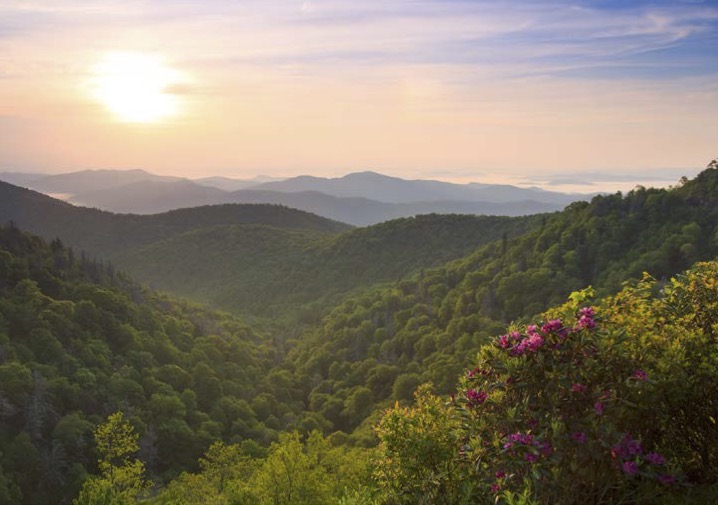
Asheville, the county seat of Buncombe County, North Carolina, is often celebrated for its arts scene, historic downtown, and vibrant tourism economy. But just beyond the city limits lies a vast rural landscape shaped by the Blue Ridge Mountains—making the region a complex, living example of gateway community dynamics at scale.
Buncombe County serves as a gateway to outdoor destinations such as the Blue Ridge Parkway, Pisgah National Forest, and dozens of hiking, biking, and paddling trails. The area has long blended cultural tourism with outdoor recreation planning, and in recent years, has taken a more deliberate approach to managing that growth through policy and public engagement.
In 2023, the county’s long-range plan—Buncombe County 2043: Our Voices, Our Vision—earned national recognition from the APA STaR Division. The plan promotes sustainable tourism, equitable land use, and strategic conservation as tools for both rural economic development and climate resilience. Its vision is now being tested as the region recovers from the widespread impacts of Hurricane Helene, which exposed vulnerabilities in infrastructure, housing, and watershed systems.
Lesson Learned: Plan for Recovery Before the Storm Hits
Asheville and Buncombe County illustrate the importance of integrating outdoor economy strategies with long-term climate and land use planning. In high-amenity areas where urban and rural landscapes meet, resilient infrastructure and inclusive planning are essential—not only for growth, but for survival. Gateway communities must prepare for both opportunity and disruption.
Telluride, Colorado – The Price of Preservation in a High-Profile Gateway
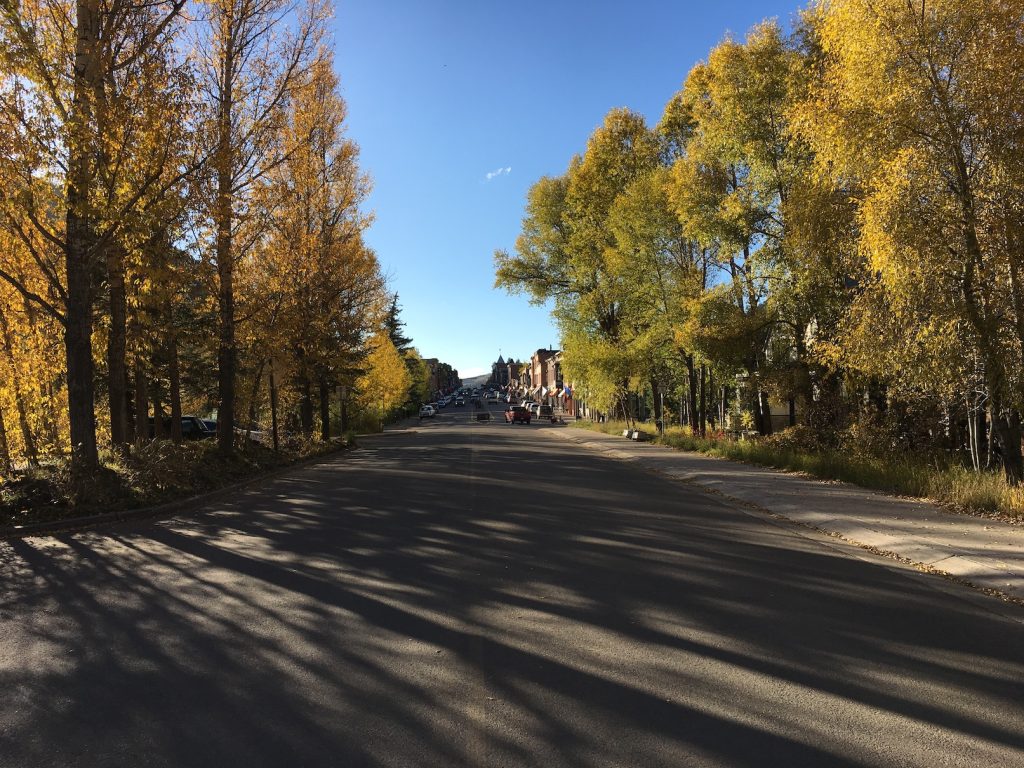
Tucked into a dramatic box canyon in the San Juan Mountains, Telluride is a former mining town turned world-renowned recreation destination. With its ski slopes, music festivals, and carefully preserved downtown, Telluride exemplifies the promise—and the pressure—of gateway communities operating at the highest levels of national and global tourism.
Though home to fewer than 2,500 full-time residents, Telluride attracts tens of thousands of seasonal visitors. The Telluride Bluegrass Festival, for example, is taking place this weekend 19-22 June, attracting about 12,000 people a day to the small town’s riverside park. This influx has fueled a thriving outdoor recreation economy, but it has also exacerbated long-standing tensions around housing, affordability, and land use. Second homes, short-term rentals, and rising real estate prices make it increasingly difficult for essential workers to live anywhere near the town they serve.
Despite these challenges, Telluride has made preservation and planning central to its identity. The Telluride Community Vision Plan, recognized by the APA STaR Division with a 2023 Merit Award, charts a future focused on stewardship, access, and cultural integrity. It embraces sustainable tourism while acknowledging the delicate balance between exclusivity and inclusion.
Lesson Learned: Growth Must Serve the Whole Community, Not Just the Destination
Telluride offers a vital lesson for high-amenity towns navigating rapid growth: outdoor recreation planning must account for the people behind the experience. Preservation is about more than buildings and views—it’s about maintaining a viable, inclusive community. Without targeted housing policies, workforce strategies, and equitable access, even the most celebrated rural economies risk hollowing out from within.
Conservation-Oriented Tactics for Your Small Town
Recreation Counties
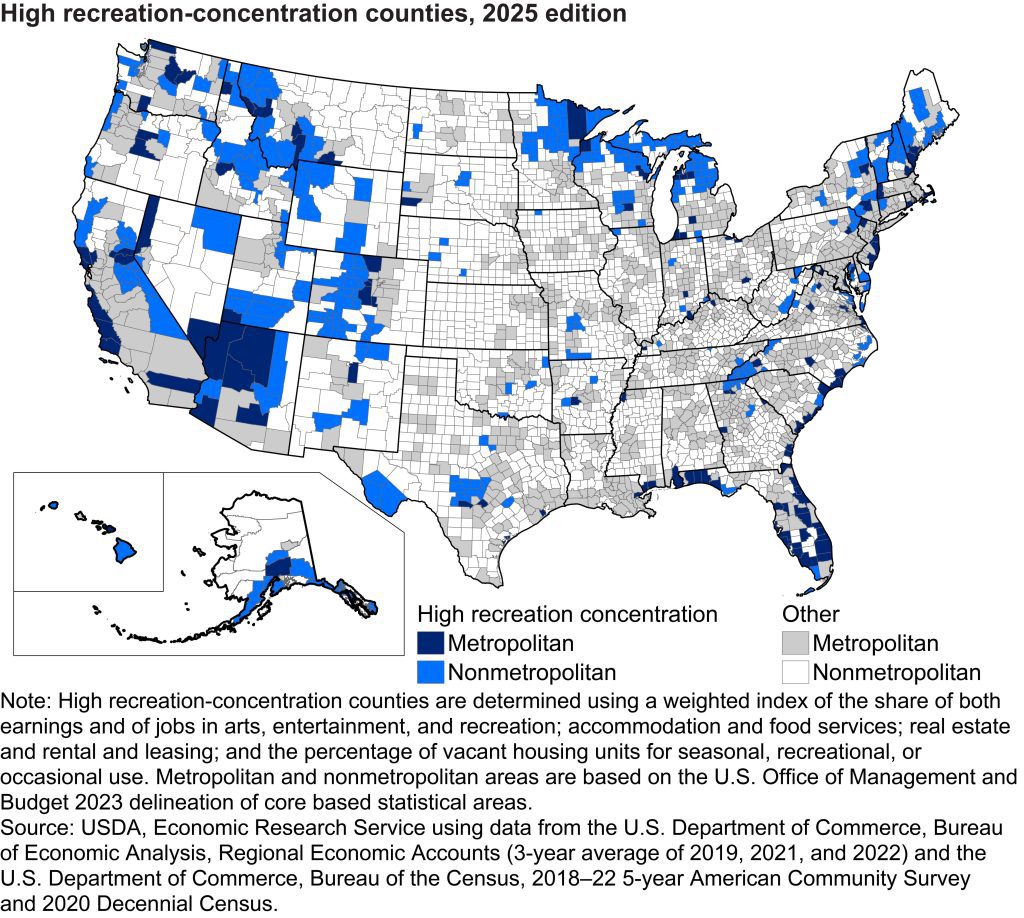
Communities of every size and character have the opportunity to apply conservation-oriented development tactics to the great outdoors. The USDA Economic Research Service (ERS) has developed a set of county-level indicators indicating concentrations of economic activity. One of these is for High Recreation-concentration counties (graphic above). These are communities which are already drawing on the Outdoor Economy. They typically have a higher-than-average share of jobs and earnings in arts, entertainment, recreation. accommodations, and real estate. They also typically have a higher share of seasonal vacant housing.
Gateway & Natural Amenity Region Initiative
The Gateway and Natural Amenity Region (GNAR) Initiative at Utah State University Extension is an initiative to help gateway communities, their regions, and the public lands around them to thrive and preserve the things which make them special. The program offers technical assistance in research, education, and capacity building. For example, they are offering online courses in dealing with Short-Term Rentals, the bane of this author’s existence as a public-sector zoning administrator.
GNAR offers practical advice for high amenity communities. Dr. Jordan Smith suggests looking beyond traditional metrics like median income, rethinking growth strategies focusing more broadly than tourist traffic counts, and making sure there’s a place for the people who do the work as well as those who come to play.
Integrate Conservation with Economic Development
Whether your community lies at the front door of a National Park or simply has access to a few acres of floodplain along the local creek, look for ways to bring conservation and economic development together to benefit local residents as well as travelers. Partner with conservation organizations to preserve wildlife habitats and natural resources while developing recreation opportunities. As we discussed last week, aligning hunting and fishing access with habitat preservation can benefit both local economies and ecosystems. Aberdeen, South Dakota, for example, has worked to promote hunting and fishing as a strong balance to the traditional agriculture economy.
Multiple use is more than a buzzword. Encourage sustainable use of public and private lands by balancing recreation with other land uses such as agriculture, forestry, and clean energy generation. As the Aspen Institute’s Community Strategies Group has noted, equitable rural outdoor recreation can lift multiple sections of the local economy and build resilient infrastructure, while respecting local landscapes and culture.
Start Small and Work Smart
Incremental development and implementation gives organizations and communities the chance to take advantage of small wins for smart growth, working up to larger opportunities for conservation-oriented development. Starting small also can keep the committee work small, letting community volunteers do the fun stuff instead of the paperwork. By intentionally integrating conservation principles into outdoor recreation development, rural communities can achieve sustainable economic growth, protect their natural assets, and enhance quality of life for both residents and visitors.
Conclusion: Build the Future from the Ground You Stand On
Whether your town lies at the edge of a national park or sits quietly beside a local creek, the principles of the outdoor economy offer powerful tools for rural economic development. From Moab to Burwell, from the cultural depth of Taos to the climate resilience of Asheville, each community shows that success is possible when outdoor recreation is grounded in place, shaped by local values, and guided by long-term planning.
Gateway communities don’t have to choose between growth and identity. By integrating sustainable tourism, outdoor recreation planning, and inclusive land use strategies, small towns can create vibrant economies that serve both visitors and residents—today and for generations to come.
Start where you are. Protect what matters. And plan for the kind of future your community deserves.
Ready to Strengthen Your Small Town’s Outdoor Economy?
Whether you’re updating a local plan, leading a volunteer trail committee, or just dreaming big for your community — now is the time to act.
Start small: Map your outdoor assets and connect them with community needs
Engage locals: Make space for every voice — from landowners to youth groups
Think long-term: Align recreation with housing, conservation, and rural resilience
Use the tools: Tap into planning resources, partnerships, and award-winning models
Explore our curated list of books, toolkits, and case studies in the “Read More” section
Or contact JC at LinkedIn for support, workshops, or collaboration ideas tailored to your town
The outdoors is part of your story. Make it part of your strategy.
This Article is Part Three of Our June Series: Conservation and the Great Outdoors
This article is the third installment in our ongoing June series, “Conservation and the Great Outdoors.” In Part One, we explored the foundations of conservation as a rural development strategy. Part Two focused on how working lands and public-private partnerships turn conservation into real economic value for rural communities.
Now, in Part Three, we take a closer look at small towns and gateway communities, where outdoor recreation planning and sustainable tourism are transforming local economies. Through national parks, state recreation areas, and community trails, these places show how conservation becomes not just a backdrop—but a driver—of rural economic development.
Catch up on earlier articles:
- Part One: The Big Picture – Conservation and the Great Outdoors
- Part Two: How Conservation Supports Rural Economic Growth
Stay tuned for Part Four next week, where we explore how outdoor access and equity shape the next generation of rural planning, conservation, and development.

Read More: Books and Resources on the Outdoor Economy and Gateway Communities
Conservation-Oriented Rural Development
Rural by Design: Planning for Town and Country, 2nd Edition – Randall Arendt
An unparalleled resource for practicing planners, members of local boards and commissions, students in degree courses, those teaching them, and young professionals.
Balancing Nature and Commerce in Gateway Communities, 2nd Edition – Jim Howe, Ed McMahon, Luther Propst
A classic primer for communities adjacent to public lands. This book explores economic tools and policies that maintain community character and environmental quality.
Conservation for Cities: How to Plan & Build Natural Infrastructure – Robert McDonald
A great reference on integrating ecosystem services and green infrastructure into small-town and rural growth strategies.
Saving America’s Countryside: A Guide to Rural Conservation – Samuel N. Stokes, A. Elizabeth Watson, Shelley S.Mastran
Focuses on rural heritage preservation alongside land conservation and economic development — a foundation for gateway and outdoor economies.Outdoor Recreation & Community Planning.
New Geographies of the American West: Land Use and the Changing Patterns of Place – William Riebsame Travis
Examines contemporary land use changes and development patterns from the Mississippi to the Pacific, and assesses the ecological and social outcomes of Western development.
Open Space and Outdoor Recreation
The Economics of Outdoor Recreation – Outdoor Industry Association
An essential report on the economic value of outdoor recreation in the U.S., including its impact on rural gateway towns.
outdoorindustry.org
Planning for Outdoor Recreation: A Handbook for Small Communities – USDA Forest Service
Offers actionable guidance for incorporating outdoor recreation into local planning strategies.
fs.usda.gov
Parks and Recreation System Planning: A New Approach for Creating Sustainable, Resilient Communities – David Barth
A step-by-step approach to creating parks systems that generate greater economic, social, and environmental benefits..
Studies in Outdoor Recreation: Search and Research for Satisfaction – Robert Manning
A standard reference for park and recreation managers, integrating social sciences with practical management topics.
Nature-Based Tourism and Conservation – Clement A. Tisdell & Clevo Wilson (pricey hardcover, check the library!)
Explores the link between eco-tourism and community-based conservation, ideal for planners working with sensitive ecological assets.
Tourism Transformations in Protected Area Gateway Communities – Susan Slocum, Peter Wiltshire, John Basil Read IV (pricey hardcover, check the library!)
he collection of works in this edited book provide bottom-up, informed, and nuanced approaches to tourism management using local experiences from gateway communities and protected areas
Online Tools & Resources
Aspen Institute Community Strategies Group (Aspen CSG)
Partners with the field of rural community development practitioners and funders to build a future where every person and place thrives, especially in communities long overlooked by philanthropy and policy investments.
www.aspeninstitute.org/programs/community-strategies-group
GNAR Initiative – Utah State University
A technical assistance program for gateway and natural amenity region communities, focusing on housing, tourism, and land use.
extension.usu.edu/gnar
Recreation Economy for Rural Communities (EPA)
A federal grant and technical assistance program supporting recreation-oriented rural revitalization.
epa.gov/recreation-economy-rural-communities
Rural Prosperity through the Arts and Creative Sector – National Governors Association
Outlines strategies for integrating the arts into economic development and recreation economies.
nga.org
Western Rural Development Center – Outdoor Recreation Toolkit
Focuses on planning tools and funding strategies for rural Western communities investing in outdoor recreation.
wrdc.usu.edu
On JCShepard.com
A Love Story for the Animas River – 8 August 2018
Review and commentary on Jonathan Thompson’s book River of Lost Souls about the Animas Valley.
Coworking in Southwest Colorado – 12 May 2015
Discussion on coworking as an economic development strategy, featuring DurangoSpace in downtown Durango.
Trout Go To School – 3 October 2009
Montana State University support of Trout Unlimited.
Want More? Explore Our Recommended Lists:
- Books Every Rural Planner Should Read in 2025
- Top Outdoor Recreation Planning Resources
- Integrating Conservation and Economic Development: Case Studies
(As an Amazon Associate, we may earn commissions from qualifying purchases. Check your local library, too.)