

Living off grid is a dream for many who move to the countryside, seeking self-reliance and independence. If you work in a small-town or rural planning office, you’ve likely encountered these modern homesteaders—residents with visions that echo those of early pioneers, building cabins and settling the land. Today’s off-grid dreamers often favor tiny homes of their own making, embracing a simple lifestyle. Many of us moved to rural areas with similar hopes. These neighbors might stop by the office to request an address for a land purchase or secure a driveway encroachment permit after a culvert has been installed. Rarely, however, are their visits prompted by questions about zoning or floodplain regulations.
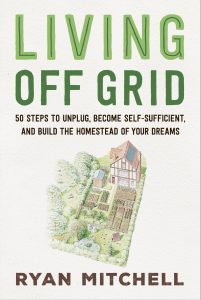
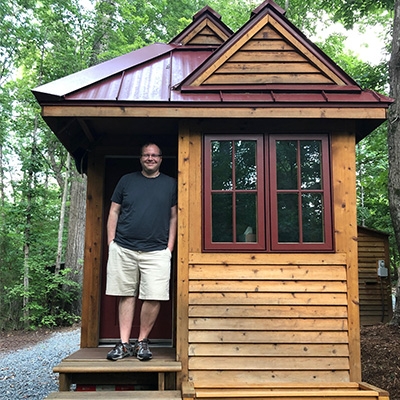
Ryan Mitchell has been there, on the dreamers’ side. In his new book Living Off Grid: 50 Steps to Unplug, Become Self-Sufficient, and Build the Homestead of Your Dreams (Island Press), he relates his own experience in seeking greater self-sufficiency. He started out building his own tiny house on wheels, complete with composting toilet. When I worked in Colorado, the health department only allowed composting toilets for bonafide campers, not for permanent residency… so folks just didn’t ask for permission. It is a conundrum for public policy.
Mitchell largely sidesteps philosophical debates, instead focusing on the lived realities and compromises involved in off-grid aspirations. His narrative is candid about the need to reconcile ideals with practicalities, such as the installation of a sanitary septic system in lieu of less conventional options. These reflections are relevant for rural planners navigating similar requests and for residents working within typical regulatory frameworks.
Even if you are not ready to give up the comforts of living in town or on the grid out in the country, this book speaks to things we should all know as small town and rural planners. The book is structured in three parts:
Adopt the Living Off Grid Mindset
Adopt it or not, Mitchell introduces the foundational beliefs and goals that drive those pursuing off-grid living, illuminating the pursuits of many rural newcomers.
Create an Action Plan
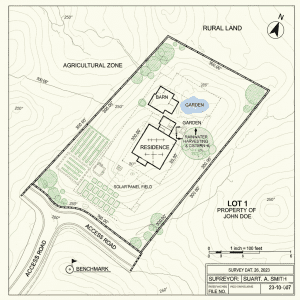
Have you ever put together a Permit Guide or a one-sheet for the residents who want to be their own general contractor? Mitchell gives readers a series of quick guides to each step of the development process, from a realistic assessment of small-scale agriculture and hazards of building in a flood zone, to the practical advice to build your driveway first. He goes into detail about surveys, easements, and property records; I just wish he had emphasized going to the township or county first to check if you can even get access to the road.
Make the Dream a Reality
Here Mitchell transitions into the building process. He talks over the challenges of living off grid in an RV or yurt while building out the homesite. He talks about assuring you can get good, clean well water, and handle gray water and black water. He actually spends fewer words specifically talking about the logistics of renewable energy, wind and solar power than I expected, but that he does. He’s also honest in recommending a back-up connection to the electric grid—not just for net-metering but a mortgage company may require it.
Mitchell is a good writer. He has been featured in major media outlets, including the New York Times, BBC, and NPR, for his work in helping people downsize and simplify their lives. For those interested in self-sufficient living—or those serving them in planning roles—his book is a worthwhile addition to their resources. In the spirit of self-sufficiency, ask your library to buy the book and ask them to put you first on the wait list.
Book review for American Planning Association’s Small Town and Rural Planning (STaR) Division.
Looking for more insights? These resources offer a starting point for anyone working to strengthen policy that works for rural communities—whether you’re a planner, council member, or community leader.
The Best Books for Rural Development and Planning in 2025
(As an Amazon Associate, we may earn commissions from qualifying purchases. Check your local library or bookshop, too.)
.
